Sculptra for Face in Grants Pass, OR: Restore Volume

Joyce Solar
RN - Cofounder/Master Injector
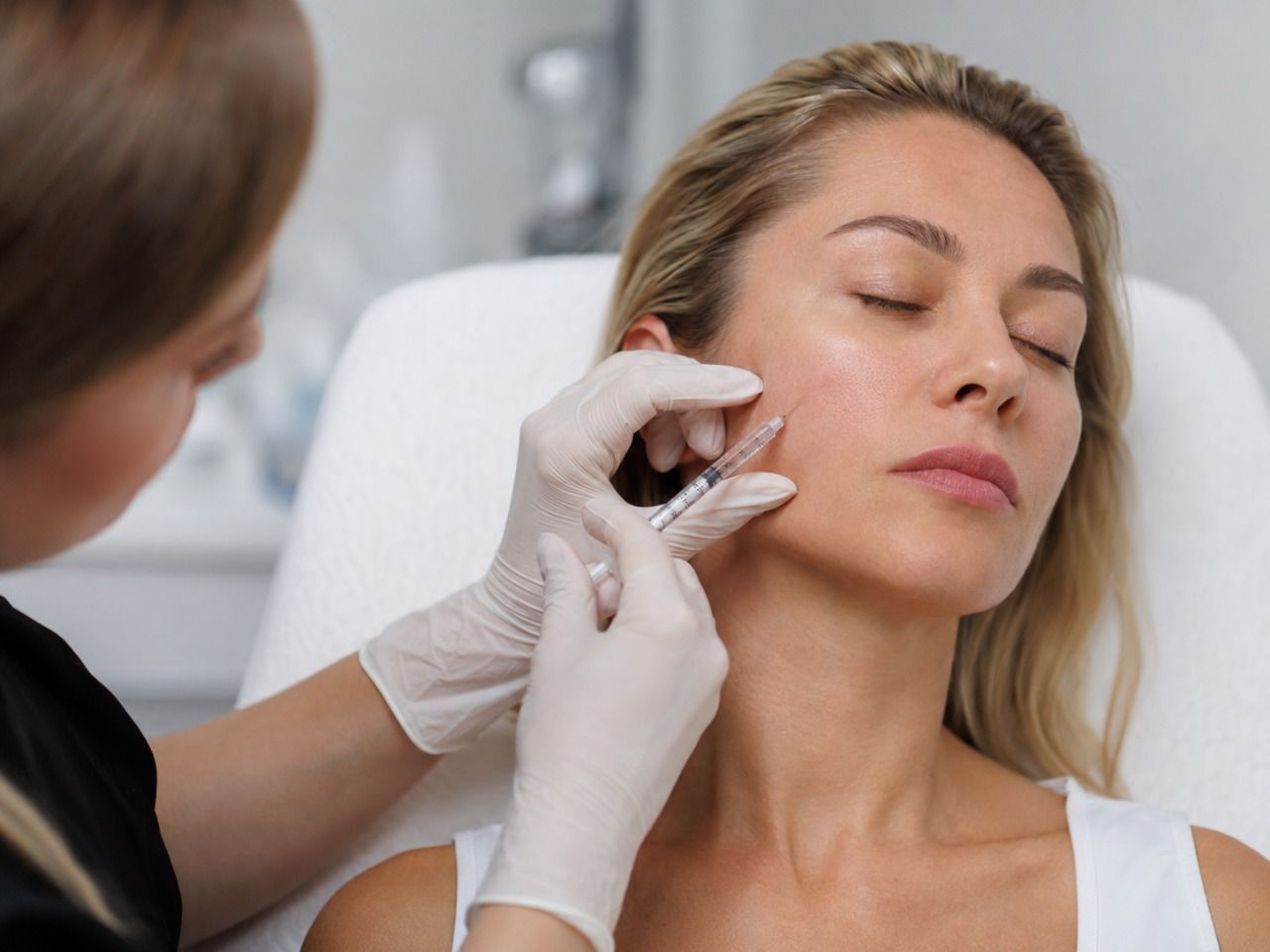
If you are searching for Sculptra for face in Grants Pass, OR, you are probably looking for a way to restore facial volume without looking overfilled. That is where Sculptra is different.
Sculptra is an injectable treatment made from poly-L-lactic acid, also called PLLA, and it works by helping your body stimulate collagen production over time. Sculptra is an FDA-approved dermal filler made of poly-L-lactic acid that helps encourage cells to produce more collagen.
At Southern Oregon Medical Aesthetics in Grants Pass, OR, Sculptra treatment is used for patients who want natural-looking facial rejuvenation, better contour, and gradual improvement in volume loss. It does not work like a typical filler that gives immediate volume. Instead, it helps your skin rebuild support from within.
What You’ll Learn From This Article
- What Sculptra is and how it works beneath the skin
- How Sculptra helps stimulate collagen production over time
- Why facial volume loss happens as you age
- Which areas of the face Sculptra can treat
- How Sculptra differs from traditional dermal fillers
- What to expect during a Sculptra treatment in Grants Pass, OR
- How long it may take to see visible results
- Who may be a good candidate for Sculptra
- What side effects and aftercare steps you should know
- Why choosing an experienced injector matters for natural-looking results
What Is Sculptra?
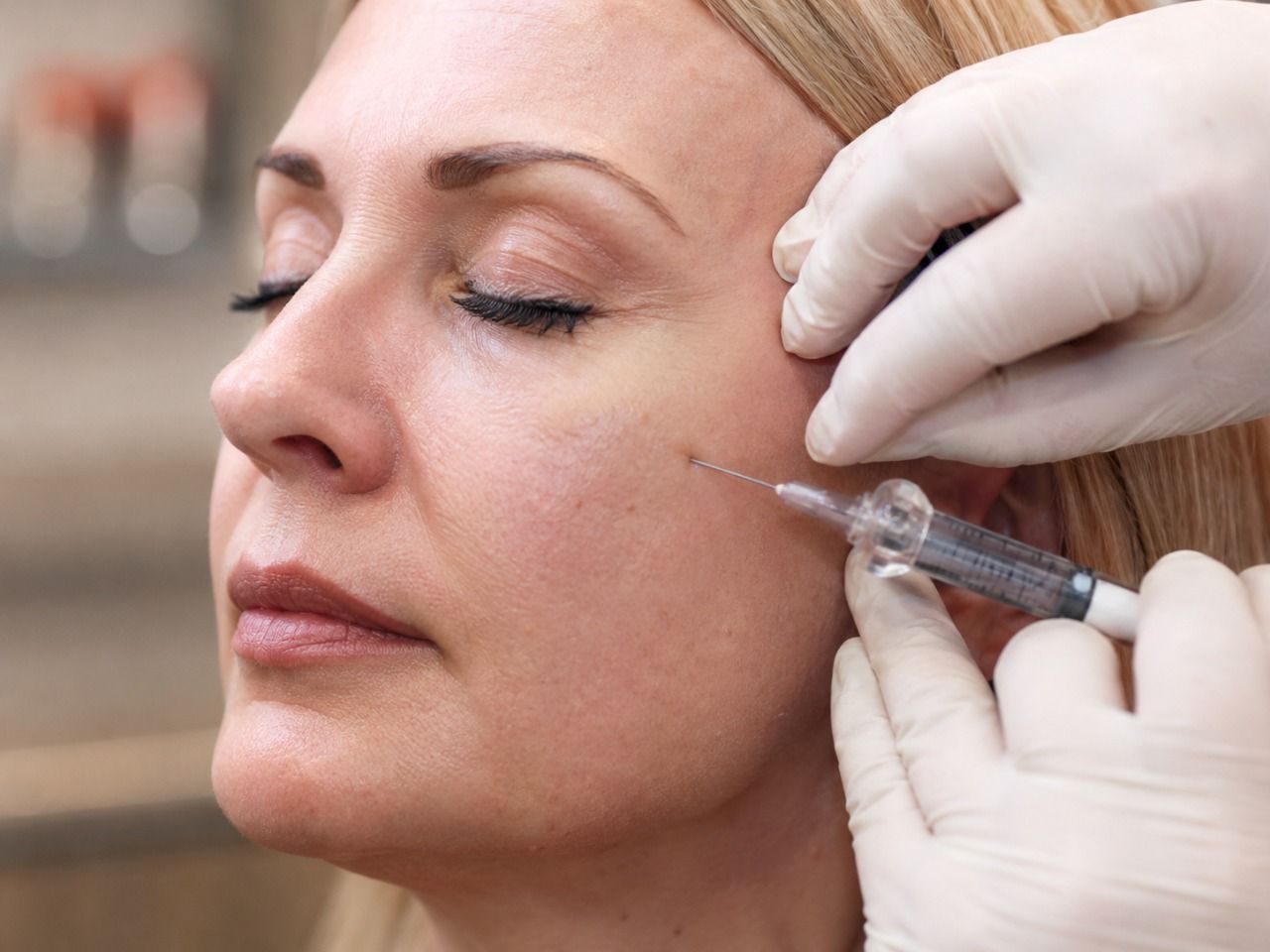
Sculptra is a cosmetic injectable used to improve facial wrinkles, facial volume loss, and areas that look hollow or deflated. It is made from poly-L-lactic acid, a biocompatible material used in medical products for many years. In aesthetics, PLLA works as a collagen stimulator rather than a simple space-filling product.
Cleveland Clinic explains that Sculptra is injected under the skin where a fuller or smoother appearance is desired. The poly-L-lactic acid absorbs over time while encouraging the body to produce more collagen. Collagen gives skin structure, support, and strength.
This makes Sculptra one of the more interesting options for people who want gradual, natural-looking results. The goal is not to freeze your face or create obvious fullness. The goal is to improve facial structure so your face looks fresher, softer, and more supported.
Understanding Sculptra Aesthetic
Sculptra Aesthetic is FDA approved for certain facial concerns, including correction of nasolabial fold deficiencies and other facial wrinkles in immunocompetent people, according to StatPearls through NCBI Bookshelf.
A nasolabial fold is the crease that runs from the side of the nose toward the corner of the mouth. These folds often deepen when the cheeks lose volume and skin support weakens. Sculptra can help improve these areas by encouraging new collagen in the treatment area.
Sculptra is also commonly discussed alongside dermal fillers, but it deserves its own category. Traditional dermal fillers often provide immediate volume. Sculptra is made to stimulate collagen production over time.
How Sculptra Works Beneath the Skin
Sculptra injection works through a controlled collagen-building process. After injection, the PLLA particles trigger a tissue response that leads to new collagen formation. Poly-L-lactic acid can gradually stimulate collagen formation and restore volume.
You may notice some fullness right after the initial treatment, but that early fullness often comes from the fluid used during the injection process. It can settle within a few days. The real change comes later, as collagen production over time improves support in the treated area.
That is why Sculptra treatment requires patience. Visible results usually build over several weeks, and full results often appear after a series of treatments.
Why Facial Volume Loss Happens as You Age
Facial aging is not just about wrinkles. Many people focus on fine lines and wrinkles first, but volume loss often changes the face more than a single wrinkle does.
Your face naturally loses collagen, fat support, and elasticity as you age. Sun exposure, genetics, weight changes, stress, and lifestyle habits can make these changes more noticeable. When the skin and deeper tissues lose support, the face may begin to sag or look hollow.
Common signs of aging related to volume loss include:
- Flattened cheeks
- Hollow temples
- Deeper nasolabial folds
- Marionette lines around the mouth
- Softer jawline contour
- Thinner-looking skin
- More visible facial wrinkles
A good treatment plan does not chase every line. It looks at facial anatomy as a whole. Sometimes the right answer is not to inject directly into a fold, but to restore support in the area that caused the fold to deepen in the first place.
What Areas of the Face Can Sculptra Treat?
Sculptra works best when your injector uses it strategically. It is not placed everywhere, and it is not the right injectable for every concern.
A safe plan starts with a facial assessment, skin quality review, health history, and a clear conversation about your goals. That matters because collagen stimulators require careful placement, proper depth, and a trained eye.
Midface and Cheeks
The cheeks often lose volume first. When this happens, the face can look flatter, heavier in the lower half, or more tired overall.
Sculptra can help restore midface support by stimulating collagen production in areas of volume loss. This can create a softer, youthful appearance without making the cheeks look overly round.
Nasolabial Folds
Nasolabial folds can deepen when the midface loses support. Sculptra may help soften these folds by improving collagen support around the area.
This does not mean every nasolabial fold needs direct injection. A skilled Sculptra injector will decide where to inject based on your anatomy, not just the line you see in the mirror.
Jawline and Lower Face
A softer jawline can develop when skin elasticity decreases, and facial support weakens. Sculptra may help improve lower face contour in the right candidate. It will not replace plastic surgery for advanced sagging. Still, for mild to moderate volume loss, it can help support a more refreshed lower face.
Temples and Facial Hollowing
Temple hollowing can make the upper face look drawn or aged. Sculptra may be used in this area by experienced injectors who understand facial anatomy and safe injection depth. This is one reason consultation matters. Certain areas require extra caution, and not every patient needs the same approach.
Sculptra vs. Traditional Dermal Fillers
Sculptra and hyaluronic acid dermal fillers can both improve the face, but they work differently. A simple comparison helps make the choice clearer.
| Feature | Sculptra | Traditional Hyaluronic Acid Filler |
|---|---|---|
| Main purpose | Stimulate collagen production | Provide immediate volume |
| Main ingredient | Poly-L-lactic acid, or PLLA | Hyaluronic acid |
| Best for | Facial volume loss, collagen support, gradual contour improvement | Lips, folds, targeted contour, immediate correction |
| Results timeline | Gradual, often over weeks to months | Usually visible right away |
| Longevity | Can last more than two years for some patients | Often several months to over a year, depending on product and area |
| Reversibility | Not dissolved like HA filler | Many HA fillers can be dissolved with hyaluronidase |
| Treatment style | Often a series of sessions | May be one visit or maintenance visits |
Cleveland Clinic notes that dermal fillers like Sculptra can last more than two years. Maintenance may be needed every few years, depending on your goals and response.
Sculptra may be the better choice if you want gradual facial rejuvenation, improved skin support, and natural collagen production. Traditional filler may be better if you want lip volume, precise contour, or immediate correction before an event.
Many patients benefit from both. For example, Sculptra may support broader facial volume, while filler can refine lips, chin, or specific folds. Botox or Dysport may also be used separately to relax movement-based facial wrinkles.
Benefits of Sculptra for Facial Rejuvenation
Sculptra appeals to patients who do not want a sudden change. The improvement tends to build slowly, which helps the result look more natural.
Friends may not know you had an injectable. They may just think you look rested, healthier, or more youthful. That subtle shift is often exactly what patients want.
Key benefits may include:
- Better facial volume in areas that look hollow
- Smoother appearance of facial wrinkles
- Improved skin firmness and support
- More youthful contour
- Natural-looking results
- Results that may last up to two years or longer for some patients
Sculptra delivers gradual, natural-looking results over an average of three treatments spaced at least three weeks apart, and a clinical study showed wrinkle improvement up to two years after the last treatment.
What to Expect During a Sculptra Treatment in Grants Pass, OR
A Sculptra appointment is usually simple, but the details matter because proper planning, placement, and aftercare all affect your final results.
Your Consultation at Southern Oregon Medical Aesthetics
Your first step at Southern Oregon Medical Aesthetics is a consultation. This visit helps determine whether Sculptra fits your skin, facial anatomy, and goals.
Your provider may review your medical history, allergies, history of keloid formation, medications, prior cosmetic treatments, and any previous issues with scarring or injectables. A provider may also review your overall health, treatment goals, and past cosmetic procedures before Sculptra injection.
Preparing for the Sculptra Injection
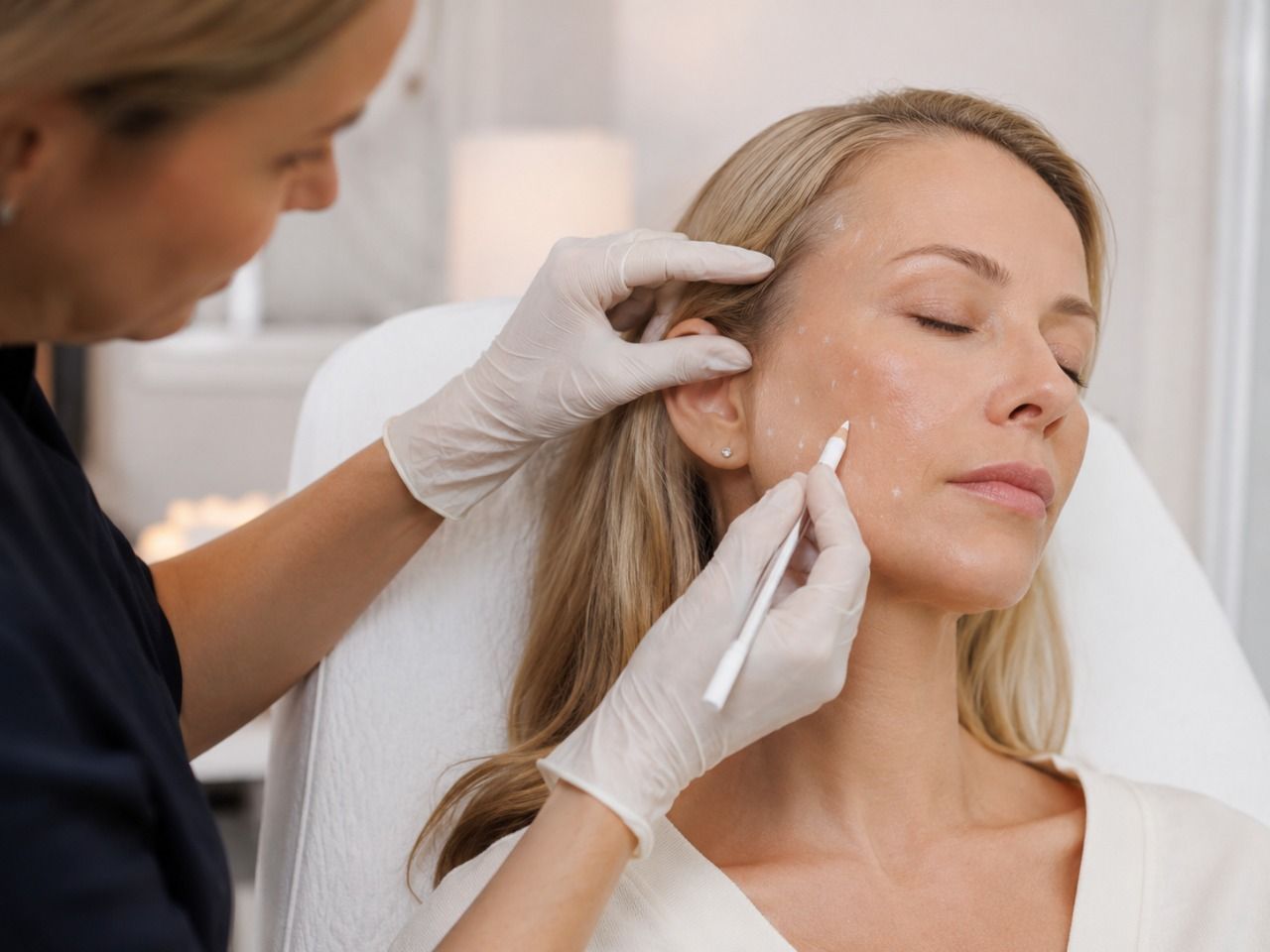
Before the injection begins, your provider cleans the treatment area and marks the areas where Sculptra may be placed. This step helps guide precise placement and supports a safer, more balanced result.
Your injector may use a topical anesthetic or a product preparation that includes lidocaine, depending on your treatment plan and comfort needs.
During the Treatment
During treatment, the Sculptra injection is placed into the planned treatment area using careful technique. Your injector will focus on proper depth, facial symmetry, and natural-looking volume support.
The appointment is usually straightforward, but placement matters. Sculptra should be injected by a trained provider who understands facial anatomy and how collagen stimulators behave beneath the skin.
What You May Notice After Treatment
After treatment, you may see swelling at the injection site. You may also notice tenderness, redness, bruising at the injection site, itching, or a small lump.
The official Sculptra safety information lists common side effects after initial treatment, including swelling, tenderness, redness, pain, bruising, bleeding, itching, and lumps. These effects are usually temporary, but you should contact your provider if symptoms worsen, feel unusual, or do not improve as expected.
Aftercare and Downtime
Most people return to normal activities soon after Sculptra treatment. Mild swelling, redness, tenderness, or bruising can happen, but these effects are usually temporary.
Your provider may ask you to avoid strenuous exercise for a short time. They may also recommend a gentle massage
Follow your injector’s exact instructions, since aftercare can vary.
Call your provider if pain becomes severe, swelling worsens, redness spreads, or a lump feels firm, painful, or persistent. Do not try to fix a lump at home.
How Long Does It Take to See Sculptra Results?
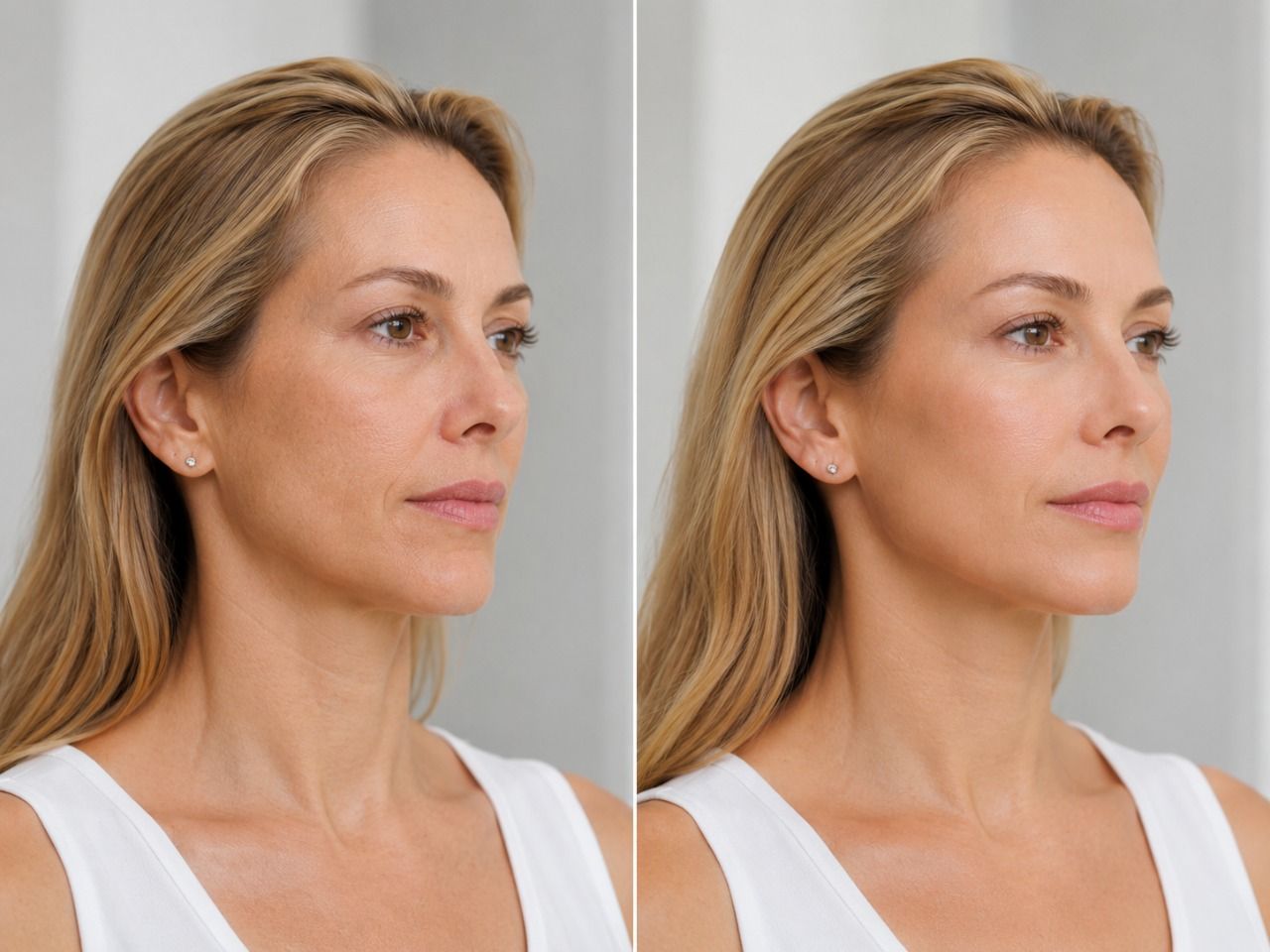
Sculptra does not provide immediate volume the same way traditional fillers do. You may see temporary fullness right after the injection, but that early change can fade as swelling and fluid settle.
It may take four to six weeks to see full results after the procedure, and many patients notice the skin looking plumper or fuller within about a month.
Many treatment plans involve a series. An average of three treatments spaced at least three weeks apart.
Your exact plan depends on:
- Your degree of facial volume loss
- Your age and collagen response
- The number of treatment areas
- Your facial anatomy
- Your history with injectables
- Your desired final results
Some patients see visible results after the first session. Others need multiple visits to achieve optimal results.
Who Is a Good Candidate for Sculptra?
You may be a good candidate for Sculptra if you have mild to moderate facial volume loss, deeper wrinkles, or thinning facial contours caused by collagen loss.
Sculptra works best if you want a gradual, natural-looking improvement rather than instant volume. It may not be right if you want lip filler, correction of very fine lines, or treatment for significant sagging.
Tell your injector if you have severe allergies, a history of keloid scars, active skin infection, pregnancy, breastfeeding, or past reactions to injectables.
Potential Side Effects and Safety Considerations
Common temporary side effects can include redness, swelling, tenderness, pain, bruising, bleeding, itching, and lumps. The official Sculptra safety information also notes that small lumps under the skin may sometimes be felt when pressing on the treated area, and larger lumps with delayed onset have also been reported.
Less common risks may include nodules, infection, discoloration, uneven texture, or inflammatory reaction. An acute injection site reaction is the most common adverse effect and may include redness, swelling, or bruising. It also notes that nodules can occur and that injection depth, dilution, and massage guidance matter.
The safest approach starts with the right provider. Choose a trained injector who understands facial anatomy, product behavior, proper placement, and how to manage complications. This is not the treatment to shop for based on price alone.
Why Choose Southern Oregon Medical Aesthetics for Sculptra in Grants Pass, OR?
Southern Oregon Medical Aesthetics focuses on advanced aesthetic care with a patient-first approach. That matters with Sculptra because the treatment is not one-size-fits-all.
Your provider should look at your full face, not just one wrinkle. They should explain how Sculptra works, what it can and cannot do, how many sessions may be needed, and what aftercare looks like.
At SOMA, patients receive care in a setting that combines modern cosmetic treatments with local, personal attention in Josephine County. The goal is a treatment plan that respects your features and helps you look refreshed, not changed into someone else.
Frequently Asked Questions About Sculptra
1. How long does Sculptra last in the face?
Sculptra results can last more than two years for some patients, though results are not permanent. Maintenance treatments may be needed as collagen naturally changes with age.
2. Does Sculptra work immediately?
Sculptra may create temporary fullness right after injection, but the real result develops gradually as collagen production increases. Many patients begin to notice improvement after several weeks.
3. Is Sculptra better than traditional dermal fillers?
Sculptra is not always better. It is different. Sculptra helps stimulate collagen production over time, while many hyaluronic acid fillers provide immediate volume.
4. How many Sculptra sessions will I need?
Many patients need a series of treatments. Galderma describes an average of three treatments spaced at least three weeks apart, but your plan depends on your facial volume, goals, and response.
5. Is there downtime after Sculptra treatment?
Downtime is usually minimal. You may have swelling, redness, tenderness, or a bruise after the injection. Your injector may ask you to avoid strenuous activity for a short time.
6. What areas of the face can Sculptra treat?
Sculptra may be used for areas such as cheeks, nasolabial folds, temples, jawline support, and other areas of facial volume loss. Your injector will decide what is appropriate after examining your facial anatomy.
Is Sculptra Right for You?
Sculptra can be a strong option if your face has started to lose volume, your folds look deeper, or your skin looks less supported than it used to. It works differently from a traditional filler because it stimulates collagen production rather than simply adding immediate volume.
The best results come from careful planning, proper injection technique, and realistic expectations. Sculptra is gradual. It takes time. But for the right patient, that slow build is the point. The result can look natural, balanced, and completely like you.
Schedule a consultation with Southern Oregon Medical Aesthetics in Grants Pass, OR, to find out whether Sculptra treatment fits your goals. Your provider can evaluate your skin, review your medical history, and develop a treatment plan tailored to your face.

Joyce Solar
RN - Cofounder/Master Injector
Joyce Solar, RN, is the cofounder and Master Injector at Southern Oregon Medical Aesthetics Center with over 20 years of experience in medical aesthetics. She is an Ultherapy specialist and national clinical educator known for her expertise in facial aesthetic injectables.