Dermaplaning for Facial Hair in Grants Pass, OR: Get Smooth Skin and a Brighter Complexion

Joyce Solar
RN - Cofounder/Master Injector
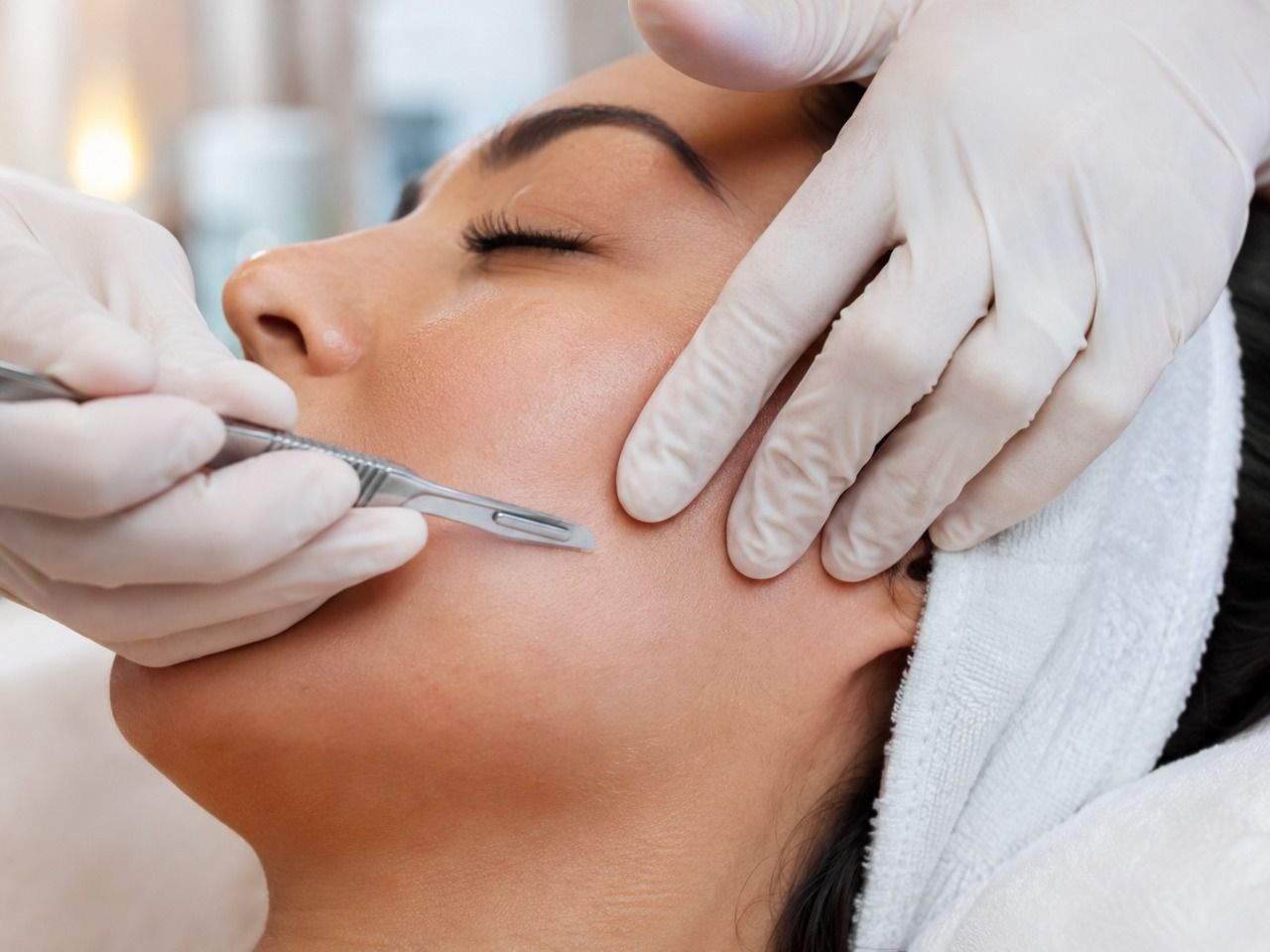
If you are searching for dermaplaning for facial hair in Grants Pass, OR, you may want a simple way to remove peach fuzz, smooth rough skin, and freshen your complexion without needles or major downtime. Dermaplaning does exactly that. It uses a sterile blade to remove fine facial hair and dead skin cells from the surface of your skin.
At Southern Oregon Medical Aesthetics, dermaplaning fits well for patients who want smoother skin, better makeup application, and a brighter look with a gentle exfoliation treatment. The goal is not to change your face. The goal is to help your skin look clean, polished, and healthy.
What You’ll Learn From This Article
- What dermaplaning is
- How dermaplaning removes peach fuzz and dead skin
- Why facial hair can make skin look less smooth
- Whether dermaplaning makes hair grow back thicker
- Who should try dermaplaning
- Who should avoid dermaplaning
- What happens during a dermaplaning appointment
- How dermaplaning compares to shaving, waxing, threading, and laser hair removal
- How to care for your skin after treatment
- When to schedule your next session
What Is Dermaplaning?
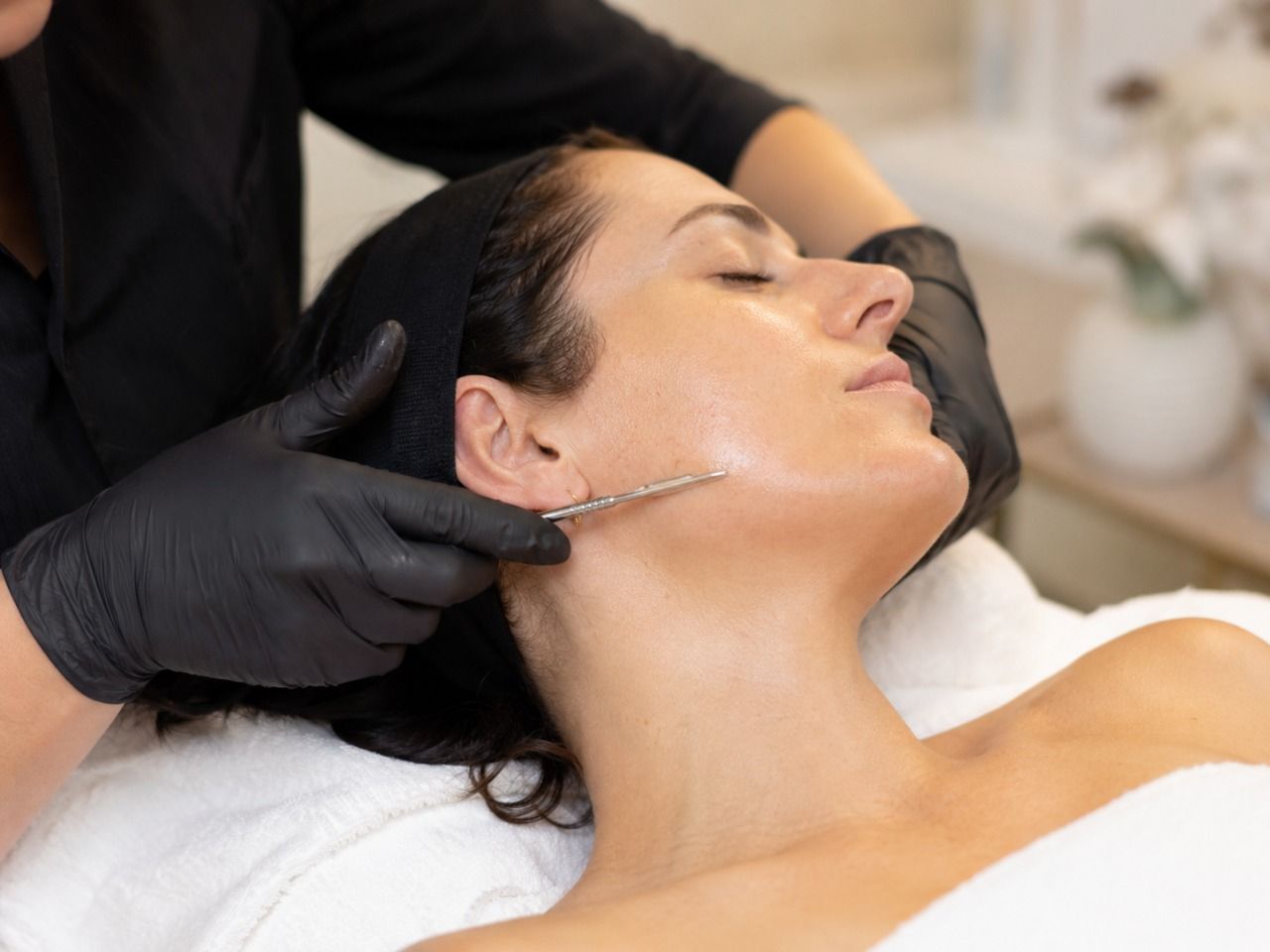
Dermaplaning is a cosmetic skin treatment that removes fine facial hair and dead skin cells from the top layer of the skin. Cleveland Clinic describes dermaplaning as a minimally invasive procedure where a provider uses a special instrument to shave away the uppermost layers of skin. It can help with dull skin, peach fuzz, fine lines, mild acne scars, and rough texture.
Dermaplaning uses a sterile scalpel or dermaplaning blade that glides along your skin at a controlled angle. The blade does not go deep into the skin. It works on the surface, where dead skin cells and vellus hair collect.
This matters because skin can look tired when dead skin builds up. Peach fuzz can also make makeup cling in odd spots. By removing dead skin cells and peach fuzz at the same time, dermaplaning helps create a smoother surface.
A Professional Exfoliation Treatment Explained
Professional dermaplaning is different from randomly grabbing a razor at home and deciding to shave your face. A trained provider looks at your skin first, checks for irritation or breakout areas, and chooses a safe approach based on your skin type.
During treatment, the provider holds the skin taut and gently moves the dermaplaning blade along your skin. This process helps exfoliate the skin and remove peach fuzz without using heat, chemicals, or injections.
Many patients like dermaplaning because the results show quickly. Your skin often feels softer right after treatment. Your complexion may also look brighter because the blade removes dead skin that can make the face look flat or dry.
Dermaplaning vs. Shaving Your Face
Shaving mainly cuts hair. Dermaplaning removes hair and exfoliates the skin. That is the main difference.
A facial razor used at home may remove peach fuzz, but it usually does not provide the same controlled exfoliation as a professional dermaplaning treatment. At home, tools can also increase the risk of nicks, irritation, or overdoing it, especially if you have sensitive skin or active acne.
Healthline notes that people doing at-home dermaplaning should use clean, dry skin, hold the skin taut, use a 45-degree angle, and glide the device in short, light strokes. It also warns that overdoing dermaplaning can cause irritation, dryness, and sun sensitivity.
Vellus Hair vs. Terminal Hair
Peach fuzz is also called vellus hair. It is fine, soft, and usually light in color. These are the tiny hairs on your face that catch light or make foundation look uneven.
Terminal hair is thicker, darker, and coarser. This type of hair often appears on the brows, upper lip, chin, or jawline. Some people have more terminal facial hair because of genetics, hormones, medication changes, or conditions such as PCOS.
Dermaplaning is effective at removing vellus hair from the skin surface. It does not treat the root cause of thick facial hair growth. If you notice sudden or rapid facial hair growth, you should see a medical provider for an evaluation.
Why Facial Hair Can Make Skin Look Less Smooth
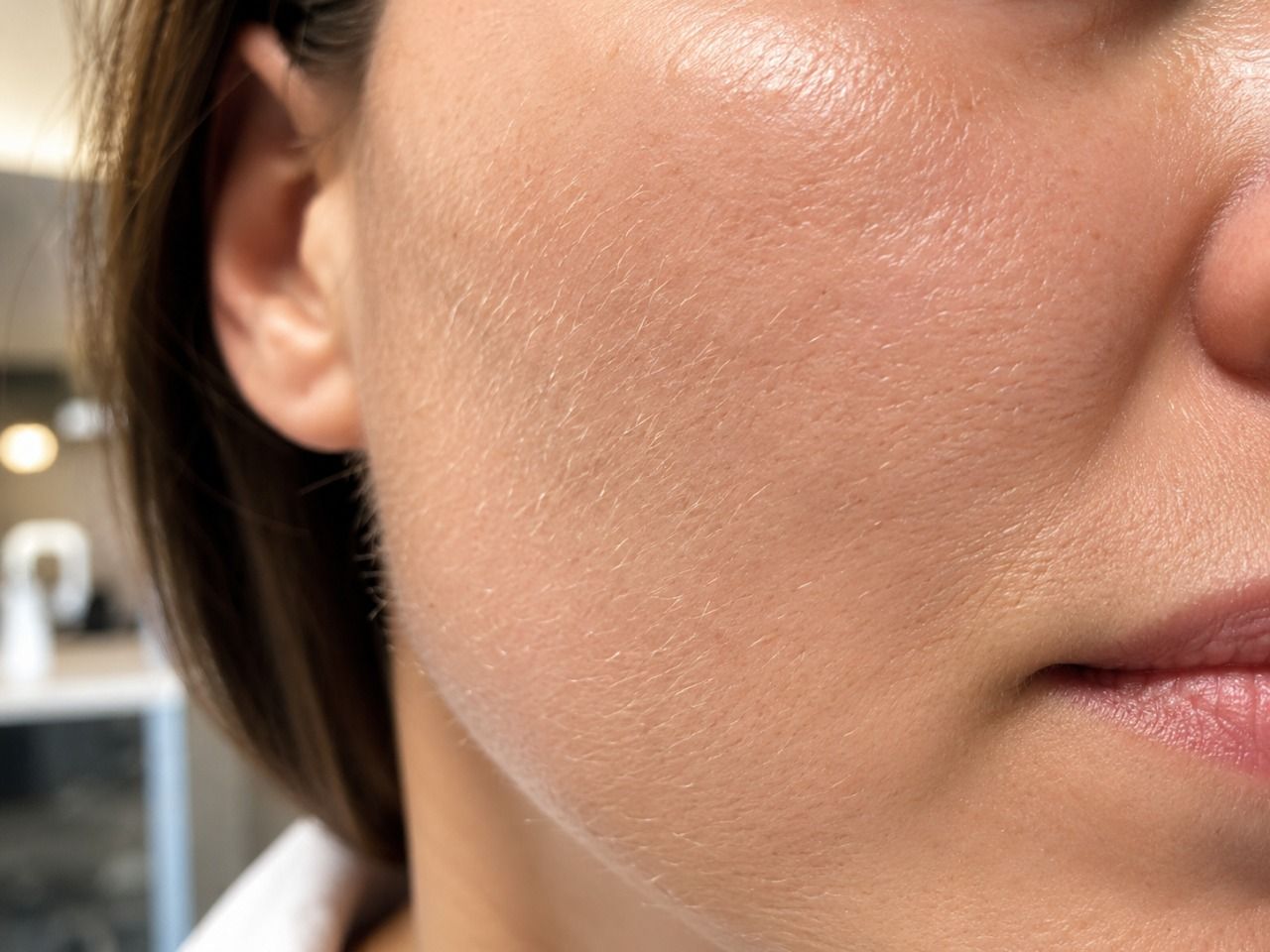
Peach fuzz is normal. Everyone has some fine hairs on the face. Still, those tiny hairs can affect how your skin looks, how it feels, and how makeup sits.
Facial hair can trap dead skin cells, oil, and product residue. Even when your skin is healthy, that surface layer can make your complexion look less even than it really is.
Peach Fuzz Can Change How Light Hits Your Skin
Smooth skin reflects light more evenly. Skin covered with fine facial hair can look a little softer in texture, but not always in the way you want. Under sunlight, bathroom lighting, or camera flash, peach fuzz can stand out.
This is why many patients say they notice their peach fuzz on the cheeks, upper lip, around the mouth, and jawline. It may not bother them every day, but suddenly it shows up in photos or under bright light.
Dermaplaning removes peach fuzz so the skin surface looks cleaner and feels smoother to the touch.
Dead Skin Cells Can Make Skin Look Dull
Your skin naturally sheds dead skin cells. Sometimes, those cells do not shed evenly. They stay on the surface and create a dry, rough, or tired look.
Dermaplaning offers mechanical exfoliation. This means the blade physically removes dead skin cells instead of dissolving them with acids.
Cleveland Clinic notes that dermaplaning may help with dull or dry skin, peach fuzz, sun-damaged skin, fine lines, and some acne scarring concerns.
When your provider removes dead skin cells and peach fuzz, your skincare can glide more easily, and your face can look fresher.
Makeup Application Often Looks Better
Makeup application is one of the biggest reasons patients try dermaplaning. Foundation, concealer, tinted sunscreen, and powder can cling to hair on your face. That can create a patchy or cakey finish.
After dermaplaning, makeup often spreads more evenly because it sits on smoother skin. You may also notice that you need less product because it does not get caught on peach fuzz. This is a practical benefit. It is not only about looking glowy in a treatment room mirror. It can help your daily routine feel easier.
Benefits of Dermaplaning for Facial Hair Removal
Dermaplaning works best when you want both hair removal and gentle exfoliation. That combination makes it different from waxing, threading, or basic shaving. It also gives you a clean starting point for your skincare routine. When dead skin cells and peach fuzz are gone, products can spread better across the skin.
Key Benefits of Dermaplaning
The main benefits of dermaplaning include:
- Smoother skin texture
- Removal of peach fuzz
- Brighter looking complexion
- Better makeup application
- Gentle exfoliation without chemical peeling
- A refreshed look without major downtime
- Support for dry or rough skin texture
Dermaplaning can also help reduce the look of acne scars, fine lines, wrinkles, and dull skin while revealing smoother-looking skin.
It is also appealing because the treatment is quick. You do not need a long recovery window for the type of light dermaplaning commonly offered in a medical spa setting. Some redness can happen, but many patients go back to their regular daily plans afterward.
Does Dermaplaning Help With Fine Lines?
Dermaplaning does not remove deep wrinkles. It does not replace injectables, laser resurfacing, microneedling, or medical-grade skin care. That said, it may soften the look of fine lines by removing dry surface buildup that makes lines appear more noticeable.
Think of it like cleaning a window. The window itself does not change shape, but once the residue is removed, it looks clearer.
For deeper wrinkle concerns, your provider may recommend a treatment plan that includes other services in addition to dermaplaning.
Does Dermaplaning Make Hair Grow Back Thicker?
No, dermaplaning does not make hair grow back thicker or darker. This is one of the most common myths about shaving and dermaplaning.
Shaving facial or body hair does not change the thickness, color, or rate of hair growth. Shaving gives hair a blunt tip, which can feel coarse or look more noticeable as it grows out.
Why Hair May Feel Different When It Grows Back
Before dermaplaning, vellus hair has a soft, tapered end. After the blade cuts hair at the surface, the hair grows back with a blunt edge. That blunt edge can make the hair feel different for a short time.
That does not mean the hair changed at the follicle. Dermaplaning cuts hair at the surface. It does not change your hormones, hair roots, growth cycle, or hair thickness.
So if you are worried that dermaplaning will cause hair to grow back thicker or darker, you can relax. The hair will grow back, but dermaplaning does not cause hair to grow back thicker.
Who Is a Good Candidate for Dermaplaning?
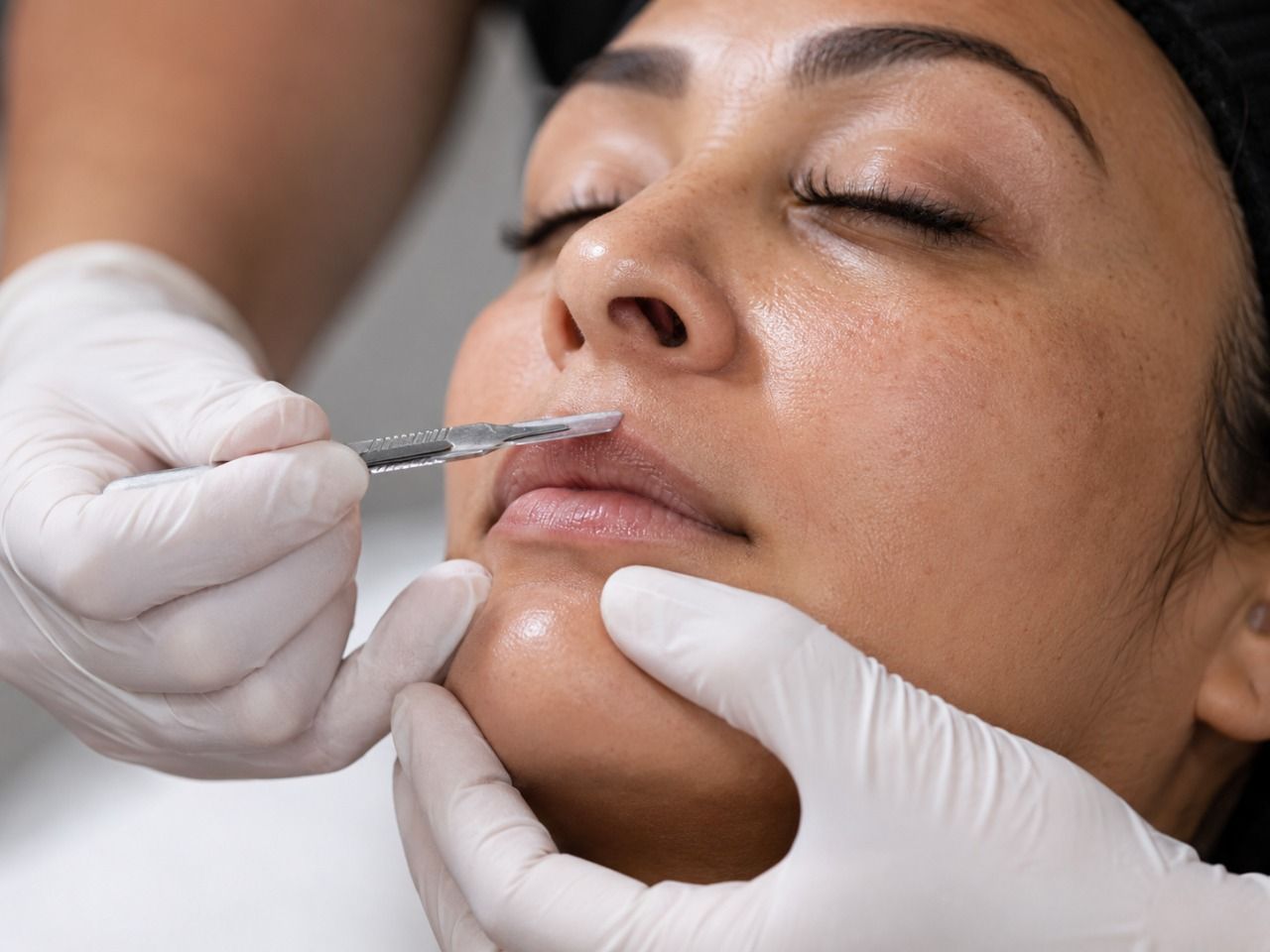
Dermaplaning may be a good option if you want smooth skin, less peach fuzz, and a brighter complexion. It can fit well into personal care routines for patients who want a polished look without a more aggressive treatment.
A good candidate usually has healthy skin without active irritation. Your provider should look at your skin before treatment to confirm that dermaplaning makes sense for you.
Dermaplaning May Be Right for You If You Have:
- Peach fuzz on your face
- Dull skin
- Dry skin texture
- Uneven skin texture
- Makeup that clings to facial hair
- Mild roughness
- Fine lines that look worse with dry buildup
- A goal of smoother skin before an event
Dermaplaning can be a great choice if you’re new to dermaplaning and want something gentle. It is also helpful if your skin does not tolerate stronger exfoliation well.
When You Should Avoid Dermaplaning
You should avoid dermaplaning if your skin is actively inflamed, infected, or irritated. Talk to your provider before dermaplaning if you have active acne, cold sore outbreaks, eczema, psoriasis, skin burns, rashes, or certain skin growths.
Avoid dermaplaning if you have:
- Active breakout areas
- Open cuts or wounds
- Cold sores
- Rosacea flare
- Eczema flare
- Sunburn
- Recent aggressive exfoliation
- Recent facial waxing
- Skin infection
If you are not sure, see a professional first. A careful skin check can prevent irritation and help you choose the right treatment.
What to Expect During a Dermaplaning Appointment in Grants Pass
Your dermaplaning experience should feel calm, clean, and straightforward. At Southern Oregon Medical Aesthetics in Grants Pass, the treatment starts with a skin evaluation and a conversation about your goals.
Your provider checks your skin for dryness, sensitivity, breakouts, and any areas to avoid. This step matters because dermaplaning should not be performed over inflamed acne, open skin, or active irritation.
Step-by-Step Dermaplaning Process
A typical dermaplaning appointment may include:
- Skin cleansing - Your provider removes makeup, sunscreen, oil, and surface debris.
- Skin preparation - The skin is dried and positioned so the dermaplaning blade can glide safely.
- Dermaplaning treatment - Your provider uses a sterile blade to remove facial hair and dead skin cells in light, controlled strokes.
- Post-treatment skincare - A calming product and sunscreen may be applied to protect the fresh skin surface.
Dermaplaning usually is not painful, although some patients may feel a scratching or stinging sensation. The provider may apply a soothing product afterward to reduce redness or irritation.
How Your Skin May Look Afterward
Your skin may look smoother and brighter right away. Mild redness can happen, especially if you have sensitive skin. That usually settles quickly, but every patient responds differently.
You may also notice that skincare products feel stronger for a day or two. This happens because the surface layer has been exfoliated. Keep your routine simple after treatment, and do not pile on active ingredients too soon.
Dermaplaning vs. Other Facial Hair Removal Methods
Dermaplaning is not the only way to remove facial hair. The best option depends on your hair type, skin sensitivity, goals, and tolerance for downtime.
Some methods focus only on hair removal. Dermaplaning focuses on removing hair and exfoliating the skin surface.
| Treatment | Removes Hair | Exfoliates Skin | Downtime | Best For |
|---|---|---|---|---|
| Dermaplaning | Yes, especially peach fuzz | Yes | Minimal for most patients | Smooth skin, peach fuzz, dull texture |
| Shaving with a facial razor | Yes | Mild surface exfoliation | Minimal, but irritation can happen | At home facial hair removal |
| Waxing | Yes, from the root | No | Possible redness or irritation | Longer-lasting hair removal |
| Threading | Yes, from the root | No | Mild redness possible | Brows, upper lip, small areas |
| Laser hair removal | Yes, targets darker hair | No | Mild redness possible | Darker terminal hair, long-term reduction |
Dermaplaning vs. At-Home Dermaplaning
At home, dermaplaning is popular because facial razors and dermaplaning tools are easy to buy. Still, there is a safety difference between a professional treatment and at-home dermaplaning.
A professional uses a sterile blade, proper angle, and skin assessment. At home, it is easier to press too hard, reuse a dull blade, cut your skin, or dermaplane over areas that should be avoided.
If you try dermaplaning at home, always use a clean blade designed for the face. Do not use a body razor. Do not dermaplane over acne, open skin, or irritated areas. Stop if your skin burns, stings, or looks inflamed.
Dermaplaning Aftercare and Skin Maintenance
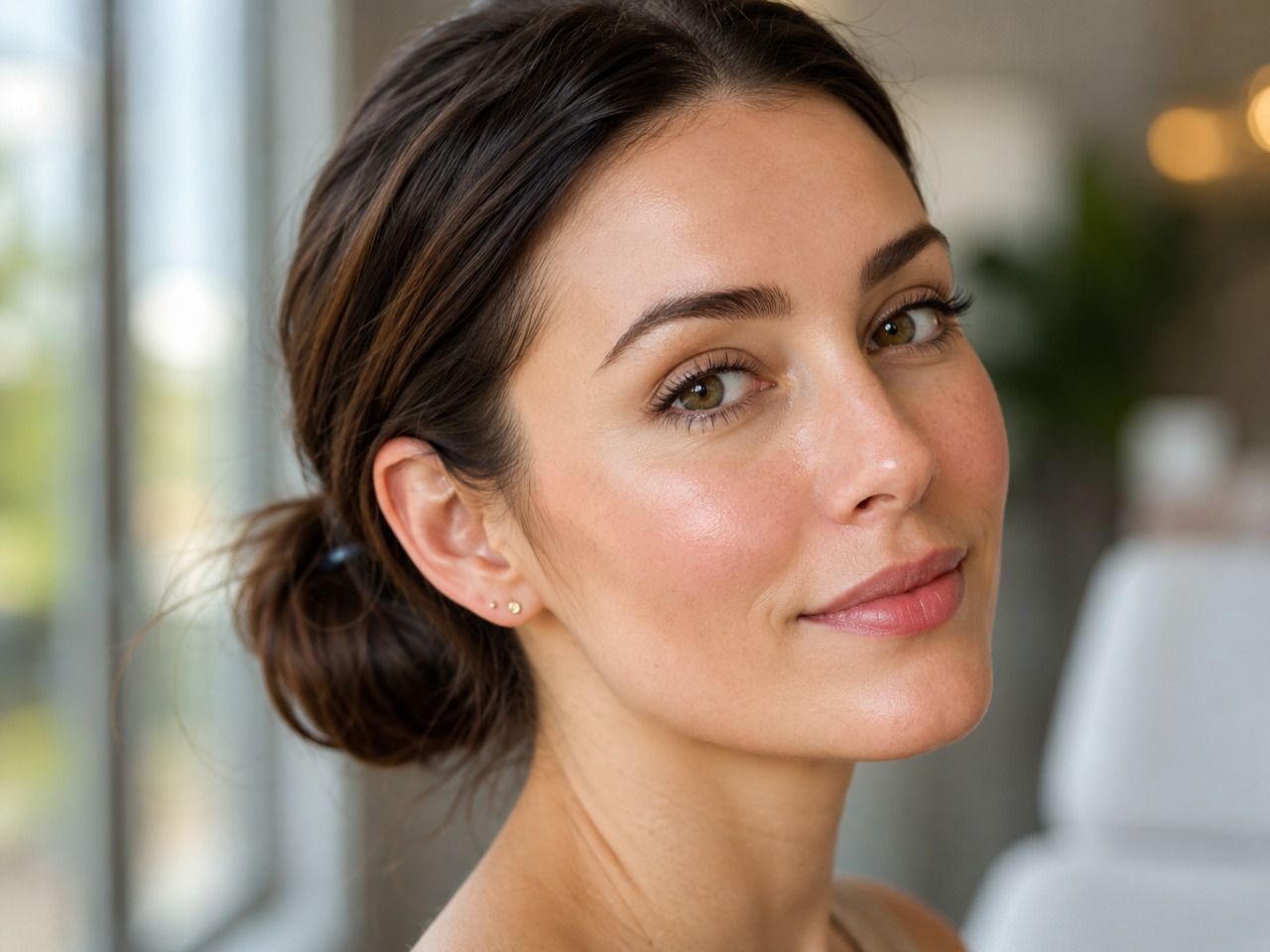
Aftercare matters because dermaplaning removes the surface layer of dead skin cells. Freshly exfoliated skin can feel more sensitive for a short time.
Keep your skin care routine simple after treatment. Your skin does not need a dozen products. It needs moisture, protection, and time to settle.
What to Use After Dermaplaning
Use gentle products for the first couple of days. Good choices include:
- Mild cleanser
- Hydrating serum
- Simple moisturizer
- Broad-spectrum sunscreen
- Fragrance-free products if you have sensitive skin
Sunscreen is especially important. The American Academy of Dermatology recommends SPF 30 or higher and notes that SPF 30 blocks about 97 percent of the sun’s UVB rays. No sunscreen blocks 100 percent, so hats and shade still matter.
What to Avoid After Dermaplaning
Avoid anything that may irritate freshly exfoliated skin. For 24 to 48 hours, your provider may ask you to pause:
- Retinoids
- Strong acids
- Scrubs
- Waxing
- Tanning
- Excessive heat
- Heavy workouts if your skin is very red
- Picking or rubbing the skin
Do not try to stack too many treatments at once unless your provider says it is safe. More is not always better. Sometimes your skin just needs time.
How Often Should You Schedule Dermaplaning?
Many patients schedule dermaplaning about once a month, but the right timing depends on your skin and hair growth. Healthline notes that once or twice per month may be enough for many people and warns that doing it too often can increase irritation, dryness, or sun sensitivity.
Your provider may recommend a schedule based on your goals. If you are preparing for a wedding, photoshoot, or special event, plan ahead so your skin has time to settle.
Why Choose Southern Oregon Medical Aesthetics for Dermaplaning in Grants Pass, OR?
Southern Oregon Medical Aesthetics combines advanced aesthetic care with a patient-first approach. That matters for a treatment like dermaplaning because technique, skin assessment, and aftercare all affect your results.
Your provider should never treat dermaplaning like a one-size-fits-all service. Your skin type, sensitivity, facial hair pattern, product routine, and goals all matter.
Local Aesthetic Care With a Personal Approach
SOMA serves patients in Grants Pass and Josephine County who want high-quality skin care close to home. The practice focuses on education, technique, and patient comfort. That approach helps you understand what dermaplaning can do, what it cannot do, and how to maintain your results safely.
Professional Guidance Matters
Dermaplaning looks simple, but it still involves a blade on your face. Seeing a professional lowers the chance of irritation, cuts, infection, or treating the wrong skin condition. A professional can also tell you when dermaplaning is not the right fit. That kind of honesty protects your skin.
Frequently Asked Questions
1. Is dermaplaning good for removing facial hair?
Yes. Dermaplaning is effective at removing fine facial hair, especially peach fuzz or vellus hair. It also removes dead skin cells, so your skin may feel smoother right away.
2. Does dermaplaning make hair grow back thicker?
No. Dermaplaning does not make hair grow back thicker or darker. Shaving does not change hair thickness, color, or growth rate. Hair may feel blunt as it grows back, but the follicle has not changed.
3. How long do dermaplaning results last?
Results vary, but many patients enjoy smoother skin for several weeks. Peach fuzz and dead skin cells gradually return, which is why many people schedule treatment about once a month.
4. Is dermaplaning painful?
Most patients do not find dermaplaning painful. You may feel light scraping or a mild scratching sensation as the blade moves along your skin.
5. Can dermaplaning help with acne scars?
Dermaplaning may improve the look of mild surface texture and some shallow acne scarring. It will not correct deep, pitted, or raised scars. Deeper acne scars may need stronger treatments, such as laser procedures.
6. Is dermaplaning safe for sensitive skin?
Dermaplaning can be safe for some sensitive skin types, but not during a flare. If you have rosacea, eczema, active acne, or irritation, your provider may suggest waiting or choosing a different treatment.
Smooth Skin Starts With the Right Treatment Plan
Dermaplaning is a simple, effective way to remove peach fuzz, exfoliate dead skin cells, and create smoother skin. It can help your complexion look brighter, help makeup glide better, and support a cleaner skincare routine.
The key is doing it safely. Dermaplaning works best when your skin is healthy, your provider uses proper technique, and you follow smart aftercare. It may not be right for active acne, irritated skin, cold sores, or certain skin conditions.
Southern Oregon Medical Aesthetics offers dermaplaning in Grants Pass, OR, with a focus on education, safety, and natural-looking skin care results. If facial hair, dullness, or rough texture bothers you, dermaplaning may be the simple refresh your skin needs.
Schedule a consultation with Southern Oregon Medical Aesthetics today to find out if dermaplaning is the right treatment for your skin.

Joyce Solar
RN - Cofounder/Master Injector
Joyce Solar, RN, is the cofounder and Master Injector at Southern Oregon Medical Aesthetics Center with over 20 years of experience in medical aesthetics. She is an Ultherapy specialist and national clinical educator known for her expertise in facial aesthetic injectables.