Forehead Lines Treatment in Grants Pass, OR - Get Youthful Skin

Joyce Solar
RN - Cofounder/Master Injector

Forehead lines can make you look tired, stressed, or older than you feel. They often show up from repeated facial movement, aging, sun exposure, collagen loss, genetics, and everyday habits.
That is where forehead lines treatment in Grants Pass, OR can help. At Southern Oregon Medical Aesthetics, SOMA, we treat forehead wrinkles with Botox, Dysport, and Xeomin to soften expression lines and create a smoother forehead, while still keeping your natural look.
What You’ll Learn From This Article
By the end of this guide, you’ll understand:
- What causes forehead lines and wrinkles
- The difference between dynamic wrinkles and static forehead lines
- How Botox, Dysport, and Xeomin help soften expression lines
- What to expect before, during, and after treatment
- How long results may last
- How skincare, sunscreen, and healthy habits can support smoother skin
- When professional treatment may be a better choice than at-home options
- Why choosing an experienced provider matters for natural-looking results
What Are Forehead Lines?
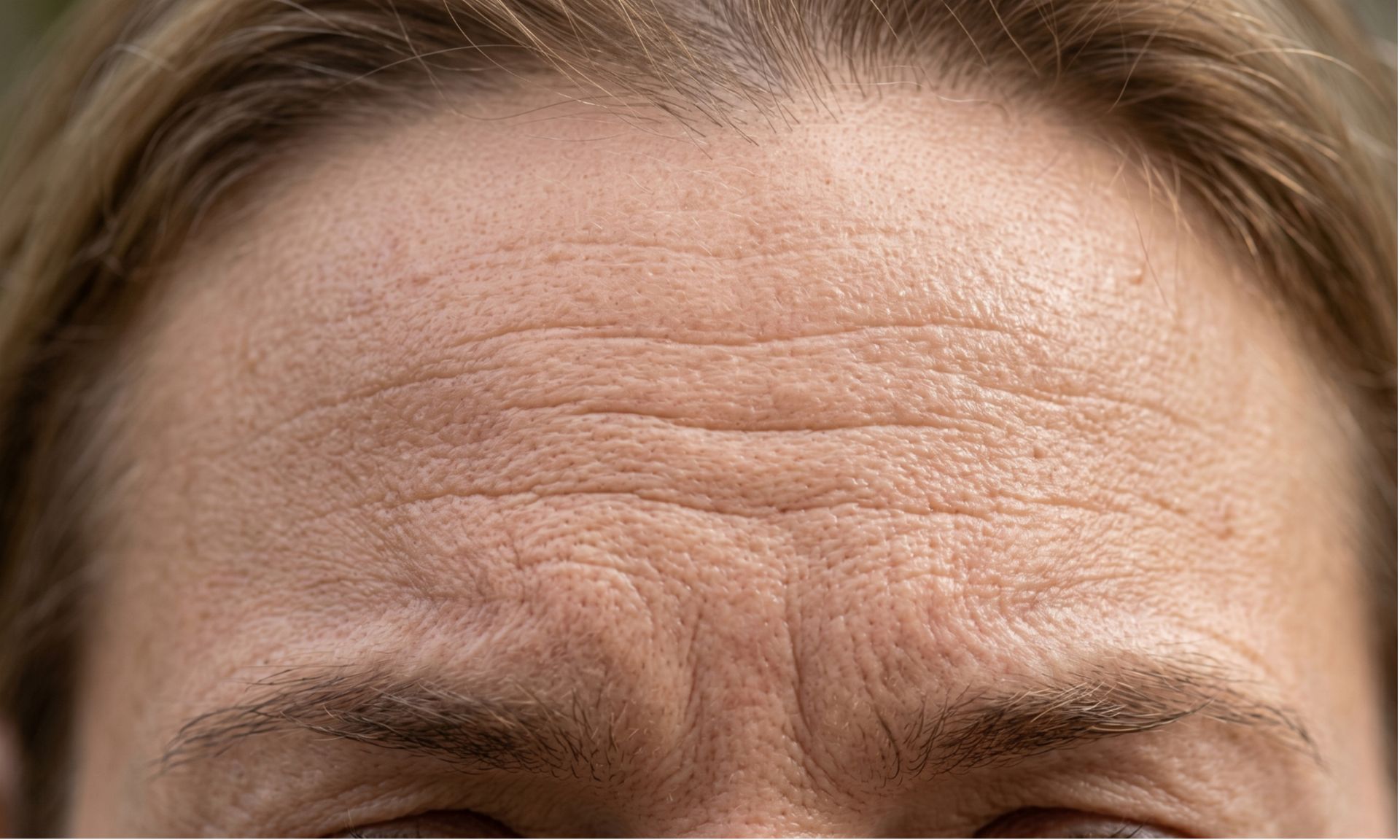
Forehead lines are the horizontal lines that form across your forehead. They may start as fine lines in your twenties or thirties, then become deeper over time due to facial movement, sun exposure, collagen loss, and aging.
Dynamic Forehead Lines
Dynamic forehead lines appear when you move your face, such as when you raise your eyebrows, frown, or squint. Botox, Dysport, and Xeomin can help soften these lines by relaxing the facial muscles that cause the skin to fold.
Static Forehead Lines
Static forehead lines stay visible even when your face is relaxed. These lines often develop after years of repeated movement, collagen loss, reduced elasticity, and sun damage. Deeper static wrinkles may need more than Botox or Dysport, such as medical-grade skincare, laser treatment, or other collagen-supporting options.
Fine Lines Versus Deeper Wrinkles
Fine lines sit closer to the surface of the skin, while deeper wrinkles create more noticeable folds. Treating forehead lines early can help soften their appearance before they become harder to improve.
What Causes Forehead Wrinkles?
Forehead wrinkles form for several reasons. The main causes include repeated movement, reduced collagen and elastin, sun exposure, and daily habits that make wrinkles more visible over time.
Repeated Facial Muscle Movement
Every time you raise your eyebrows, the frontalis muscle moves the skin on your forehead. Over time, that folding can make wrinkles form. Frown lines between the brows can also affect the appearance of the forehead because the upper face functions as a single, connected area.
Natural Aging and Collagen Loss
Collagen gives your skin structure. Elastin helps it stretch and bounce back. As collagen and elastin production slow, the skin gets thinner, drier, and less firm.
This is why forehead wrinkles can look deeper as you age. Your facial muscles still move, but your skin does not recover from folding as easily. Hydration, skincare, and treatments that support collagen production can help improve overall skin quality.
Sun Exposure in Southern Oregon
Life in Grants Pass often includes river days, hiking, gardening, outdoor sports, and time in the Rogue Valley sun. That outdoor lifestyle feels good, but UV rays can damage collagen and elastin.
The American Academy of Dermatology states that sun protection can reduce premature skin aging, including wrinkles, sagging, and age spots. Daily sunscreen is one of the most important ways to protect your skin and prevent wrinkles from worsening.
Lifestyle and Environmental Factors
Several daily habits can make forehead lines more noticeable:
- Smoking or vaping
- Poor sleep
- Chronic stress
- Low hydration
- Too much unprotected sun
- Harsh skincare
- Skipping moisturizer
- Sleeping face down or on your side, which can contribute to “sleep wrinkles.”
Botox, Dysport, and Xeomin for Forehead Lines in Grants Pass, OR
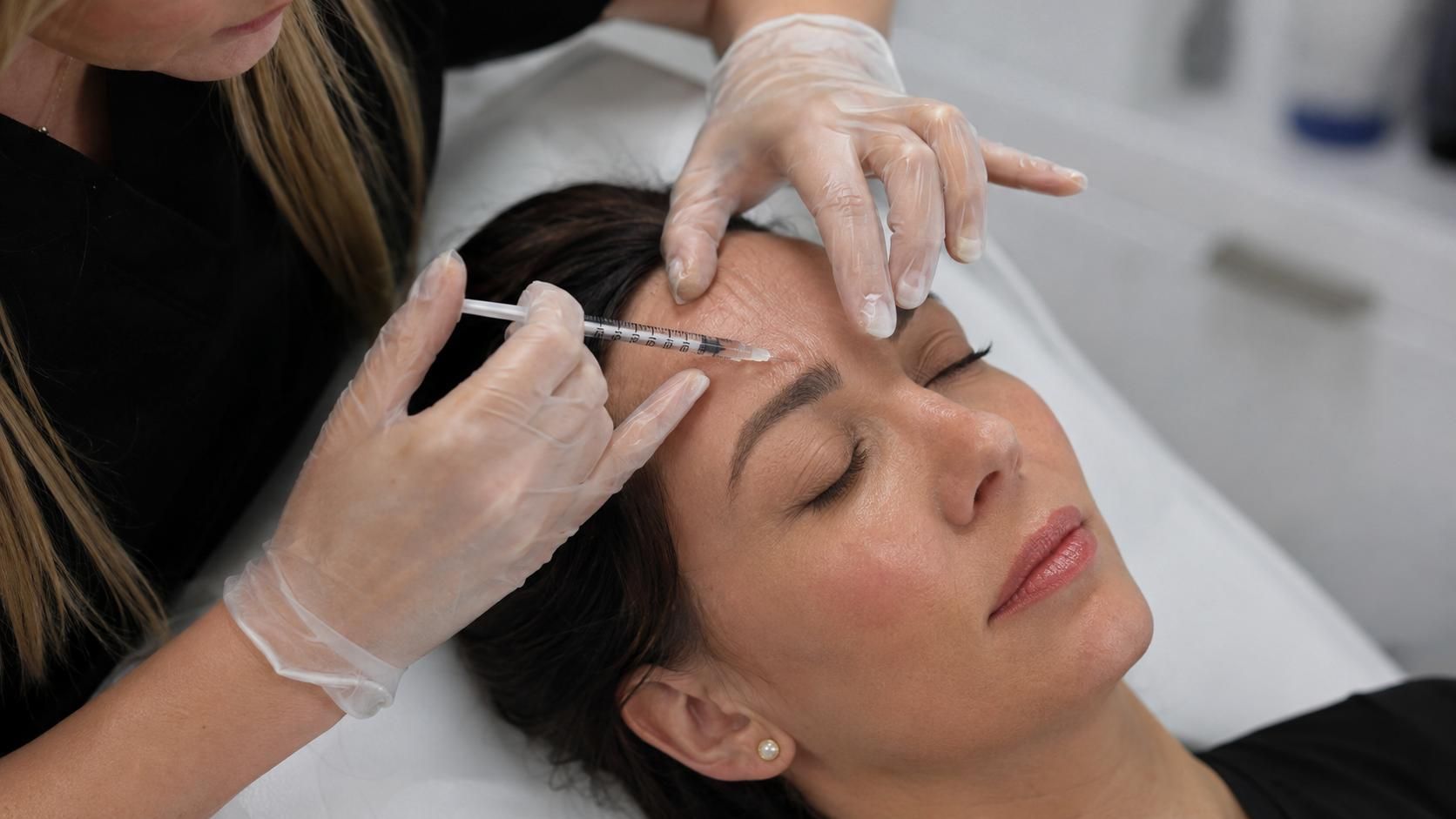
Botox, Dysport, and Xeomin belong to a group of injectable treatments called neuromodulators. They help reduce wrinkles caused by muscle movement.
This section explains how these treatments work and why technique matters so much on the forehead.
How Neuromodulators Work
Botox, Dysport, and Xeomin use botulinum toxin type A. In cosmetic treatment, small measured doses relax targeted facial muscles. This reduces the repeated movement that creates expression lines.
Cleveland Clinic explains that botulinum toxin injections block nerve signals that tell muscles to contract. When the forehead muscle relaxes, lines appear softer, and the skin can look smoother.
Why They Work Well for Forehead Wrinkles
Neuromodulators work well for dynamic wrinkles, which are lines caused by facial movement. These include lines that appear when you raise your eyebrows, frown, squint, or make expressions.
These treatments can help:
- Soften horizontal forehead wrinkles
- Reduce fine lines caused by facial movement
- Improve the appearance of frown lines when treated with the right plan
- Create a smoother forehead without surgery
- Reduce the appearance of lines and wrinkles while keeping natural expression
Why Technique Matters
The forehead is a delicate treatment area. If too much product relaxes the wrong muscles, your brows can feel heavy. If too little product gets placed, you may not see the change you want.
A good injector studies your brow position, eyelid heaviness, forehead strength, frown pattern, and facial balance. At SOMA, the goal is not a frozen face. The goal is a refreshed, smoother forehead that still looks like you.
Botox vs. Dysport vs. Xeomin for Forehead Lines
Botox, Dysport, and Xeomin can all help soften expression lines, but they are not exactly the same. Your provider should choose the best option based on your anatomy, muscle strength, goals, and treatment history.
| Treatment | Common Cosmetic Use | Best Fit | Important Note |
|---|---|---|---|
| Botox Cosmetic | Forehead lines, frown lines, crow’s feet | Precise softening of dynamic wrinkles | Botox Cosmetic is FDA-approved for the temporary improvement of moderate to severe forehead lines, frown lines, and crow’s feet in adults. |
| Dysport | Frown lines and facial expression lines | Patients who respond well to its spread pattern and dosing style | Dysport is FDA-approved for the temporary improvement of moderate to severe glabellar lines, also called frown lines. |
| Xeomin | Frown lines and facial expression lines | Patients who prefer a “naked” neuromodulator without accessory proteins | Xeomin is FDA-approved for the temporary improvement of moderate to severe glabellar lines in adults. |
| Skincare support | Fine lines, texture, hydration | Patients who want better skin quality | Sunscreen, retinoids, moisturizer, hyaluronic acid serum, peptide serum, and healthy habits support treatment results. |
| Laser or chemical peel | Texture, sun damage, static wrinkles | Patients with deeper lines or skin damage | These options may help stimulate collagen and improve overall skin when appropriate. |
Botox for Forehead Lines
Botox helps soften horizontal forehead lines, frown lines, and crow’s feet. It may suit you if you want precise treatment for dynamic wrinkles caused by forehead movement.
Dysport for Forehead Lines
Dysport is another trusted option for expression lines. It may be a good fit if your provider wants a product with a slightly different spread pattern.
Xeomin for Forehead Lines
Xeomin is a botulinum toxin type A treatment made without accessory proteins. It may suit patients who prefer a clean formulation or have used other neuromodulators before.
Which Option Is Right for You?
Your provider will assess your forehead lines at rest and with movement. The best choice depends on your wrinkle type, muscle strength, brow position, treatment history, and desired result.
Who Is a Good Candidate for Forehead Line Treatment?
Many adults can consider Botox or Dysport for forehead lines, but medical screening matters. Your provider should review your health history before any injection.
Ideal Candidates
You may be a good candidate if you:
- Notice fine lines across your forehead when you raise your brows
- Want to soften wrinkles without surgery
- Have dynamic forehead lines
- Want natural-looking results
- Understand that results are temporary
- Want prevention or treatment before deeper wrinkles form
Patients often seek treatment when they notice fine lines in photos or when forehead lines make them look worried or tired.
Who May Need a Different Plan
You may need a modified plan if you have deep static forehead lines, certain neuromuscular conditions, active infection near the injection area, or a history of reaction to botulinum toxin products.
Pregnant or breastfeeding patients usually postpone cosmetic neuromodulator treatment. If you take blood-thinning medication, do not stop it unless your prescribing clinician tells you to.
What to Expect During Your Forehead Line Consultation at SOMA
Your visit starts with assessment and education. You should never feel rushed into treatment.
Your provider will study how your upper face moves so they can build a plan that fits your anatomy.
Facial Assessment
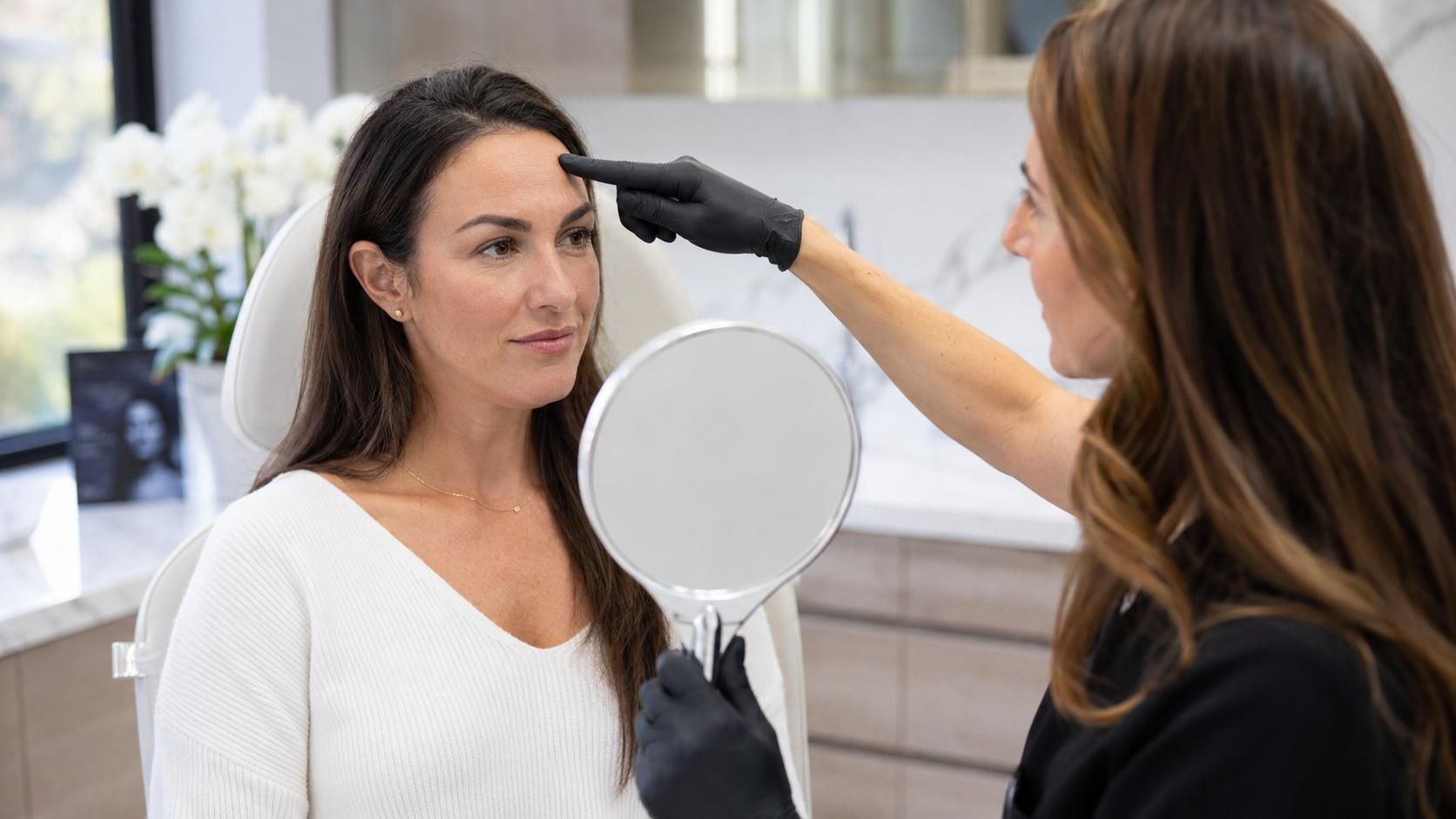
Your provider will ask you to raise your eyebrows, frown, relax, and sometimes smile. This shows how your forehead, brows, and upper eyelids work together.
This step matters because treating the forehead alone can affect brow position. A careful provider plans around your full upper face, not just the lines you point to in the mirror.
Education First Approach
You should know what Botox, Dysport, and Xeomin can realistically achieve. These treatments can soften dynamic wrinkles, but static wrinkles and deep forehead creases may need a broader plan.
Your provider will explain onset, duration, side effects, aftercare, and follow-up. You should also hear clear guidance about what to avoid after treatment.
Personalized Treatment Planning
Your provider will choose the product, dose, and injection pattern based on your muscle movement and goals. Some people need a conservative first treatment. Others need a stronger plan because their forehead muscles are more active.
The Forehead Line Treatment Process
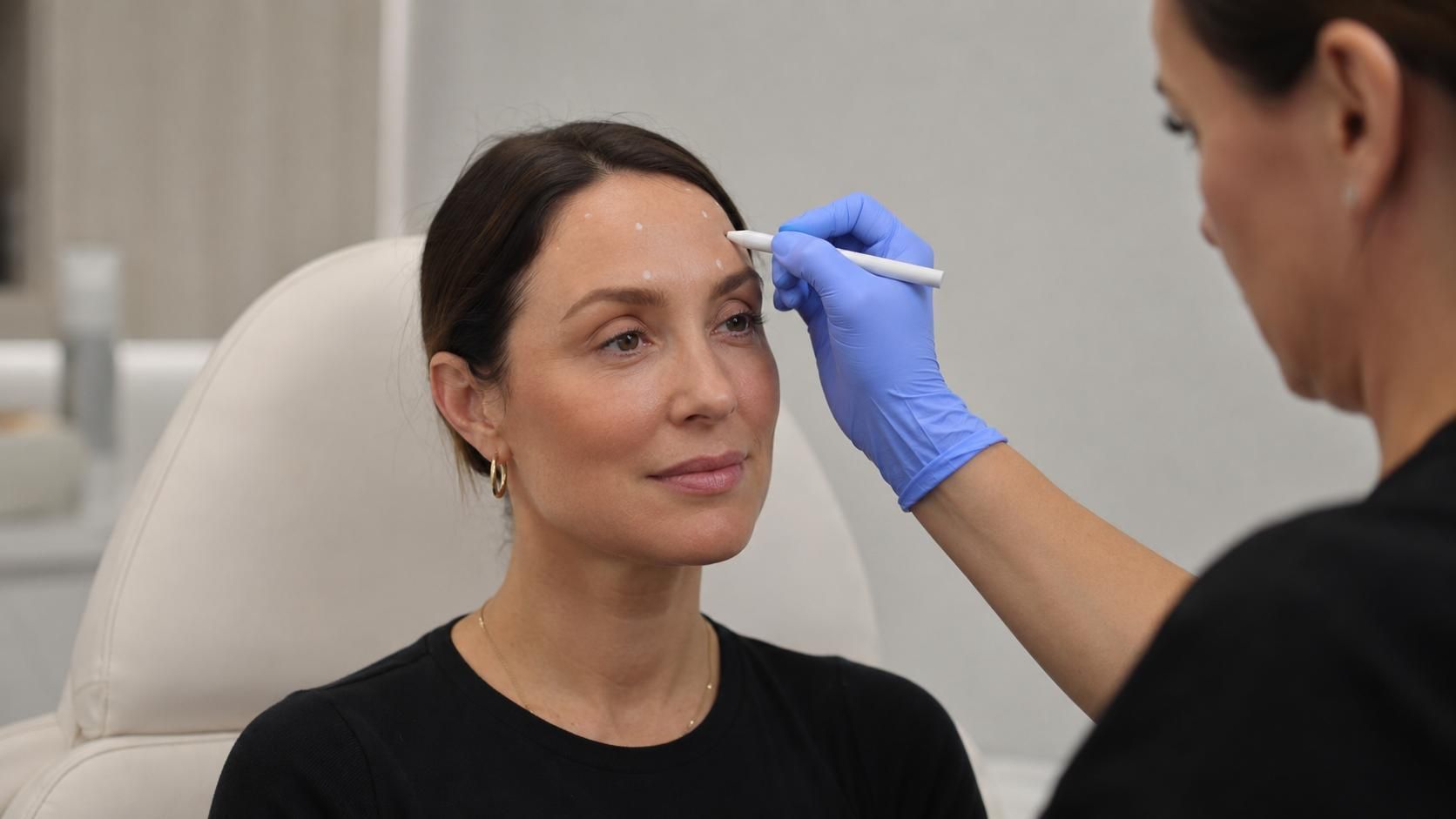
Forehead line treatment usually feels quick, but each step has a purpose. Clean technique, proper placement, and clear aftercare all support safer results.
Here is what usually happens before, during, and after your visit.
Before Treatment
Tell your provider about medications, supplements, allergies, recent illness, recent cosmetic procedures, and any history of facial weakness. Mention blood thinners, aspirin, ibuprofen, fish oil, and herbal supplements.
You may reduce the risk of bruising by avoiding alcohol before treatment and arriving with clean skin. Do not stop prescribed medication without medical approval.
During Treatment
Your provider cleanses your skin and identifies injection points. They may mark the area or use facial movement as a guide.
Most patients describe the injections as quick pinches. Treatment usually takes only a short part of the appointment. The planning and assessment often matter more than the injection time itself.
After Treatment
Aftercare instructions may include:
- Do not rub or massage the treated area
- Avoid strenuous exercise for the recommended period
- Stay upright for the time your provider recommends
- Avoid heat exposure right after treatment if instructed
- Follow your provider’s exact guidance
Simple aftercare helps reduce unwanted spread and supports the best results.
Results: When You’ll See a Smoother Forehead

Botox, Dysport, and Xeomin do not work instantly. You will usually see gradual softening as the targeted muscle relaxes.
Your final result depends on the product, dose, muscle strength, metabolism, and your body's response.
When Results Begin
Some patients notice changes within a few days. Full smoothing often takes longer. Do not judge your final result too early.
Your provider may recommend a follow-up appointment to check symmetry, movement, and the appearance of forehead wrinkles after the treatment settles.
How Long Results May Last
Results are temporary. Botox, Dysport, and Xeomin commonly last about 3 to 4 months, though some patients may notice results fade sooner or last a little longer.
Factors that affect longevity include:
- Muscle strength
- Dose
- Metabolism
- Exercise habits
- Treatment consistency
- Product choice
Neuromodulators Safety, Side Effects & When to Call Your Provider
Neuromodulators have strong safety records when administered by qualified medical professionals using proper dosing and technique. Still, they remain medical treatments, so you need clear information about risks.
Common Temporary Effects
Common short-term effects may include:
- Redness
- Tenderness
- Mild swelling
- Bruising
- Headache
- A tight feeling in the treated area
These effects often improve quickly. Bruising can happen with any injection, even when the provider uses careful technique.
Why Provider Skill Reduces Risk
Provider skill affects product placement, dose, symmetry, and brow balance. A strong medical understanding of facial anatomy helps reduce the risk of brow heaviness, eyelid droop, or an unnatural look.
Choose a provider who explains the plan clearly. More product does not always mean better results.
When to Contact Your Provider
Contact your provider if you notice severe pain, unusual swelling, signs of infection, vision changes, worsening asymmetry, trouble swallowing, trouble breathing, or symptoms that feel abnormal.
Seek urgent care for breathing problems, swallowing problems, or sudden vision symptoms. Do not wait on those.
How to Maintain Your Forehead Line Results

Injectables can soften wrinkles, but daily habits help protect your skin long term. Good skincare can also improve the appearance of fine lines and wrinkles.
Wear Sunscreen Every Day
Use broad-spectrum sunscreen every morning. Reapply when you spend time outside, sweat, or swim. Sunscreen helps protect your collagen and elastin. It also helps prevent wrinkles from getting deeper.
Use Smart Skincare
A good routine does not need to be complicated. Start with a gentle cleanser, moisturizer, sunscreen, and targeted active ingredients if your skin tolerates them.
Helpful options may include:
- Hyaluronic acid serum for hydration
- Peptide serum for skin support
- Retinol or retinoids for texture and collagen support
- Moisturizer to strengthen the skin barrier
- Sunscreen to protect your skin from UV rays
Avoid aggressive exfoliation. Too much can irritate your skin and make lines look worse.
Be Careful With At-Home Forehead Wrinkle Trends
You may see viral silicone forehead sheets or tape promoted as a way to get rid of forehead wrinkles at home. These may temporarily reduce creasing while you wear them, but they do not relax facial muscles like neuromodulators.
You can treat forehead wrinkles at home with sunscreen, moisturizer, retinoids, hydration, and healthy habits. But deep forehead lines, static wrinkles, and strong expression lines usually need professional treatment for a more noticeable change.
FAQs About Forehead Lines Treatment in Grants Pass, OR
1. What Is the Best Treatment for Forehead Lines?
Botox, Dysport, and Xeomin are common choices for dynamic forehead lines caused by facial muscle movement. Static forehead lines may need added skincare, collagen support, chemical peel treatment, laser treatment, or another plan.
2. Is Botox or Dysport Better for Forehead Wrinkles?
Both can help the right patient. Botox Cosmetic has FDA approval for moderate to severe forehead lines in adults. Dysport has FDA approval for moderate to severe glabellar lines, also called frown lines. Your provider can explain which product fits your anatomy and goals.
3. How Long Do Botox and Dysport Last in the Forehead?
Results usually last a few months. Your metabolism, dose, muscle strength, and treatment schedule affect how long your smoother forehead lasts.
4. Can Forehead Line Treatment Lift My Brows?
Sometimes. Careful neuromodulator placement can support a more refreshed brow area. Poor placement can make the brow feel heavy, so technique matters.
5. Where Can I Get Forehead Lines Treated in Grants Pass, OR?
Southern Oregon Medical Aesthetics provides Botox, Dysport, and Xeomin treatment for forehead lines in Grants Pass, OR. The team focuses on education, careful technique, and natural-looking results.
Conclusion: A Smoother Forehead Starts With the Right Plan
Forehead lines are one of the most common signs of aging, but you do not have to accept deeper wrinkles without knowing your options. Lines across your forehead can come from repeated facial movement, collagen loss, sun exposure, genetics, and daily habits.
Botox, Dysport, and Xeomin can soften dynamic forehead lines by relaxing selected facial muscles. Skincare, sunscreen, hydration, and collagen-supporting treatments can also help improve overall skin and reduce the appearance of fine lines.
At
Southern Oregon Medical Aesthetics in Grants Pass, OR, your treatment starts with a careful consultation. You get a plan based on your anatomy, your goals, and your safety.
Schedule a consultation today to find out which forehead line treatment is right for you.

Joyce Solar
RN - Cofounder/Master Injector
Joyce Solar, RN, is the cofounder and Master Injector at Southern Oregon Medical Aesthetics Center with over 20 years of experience in medical aesthetics. She is an Ultherapy specialist and national clinical educator known for her expertise in facial aesthetic injectables.