PRP Face Treatment in Grants Pass, OR: A Natural Approach to Skin Rejuvenation

Joyce Solar
RN - Cofounder/Master Injector
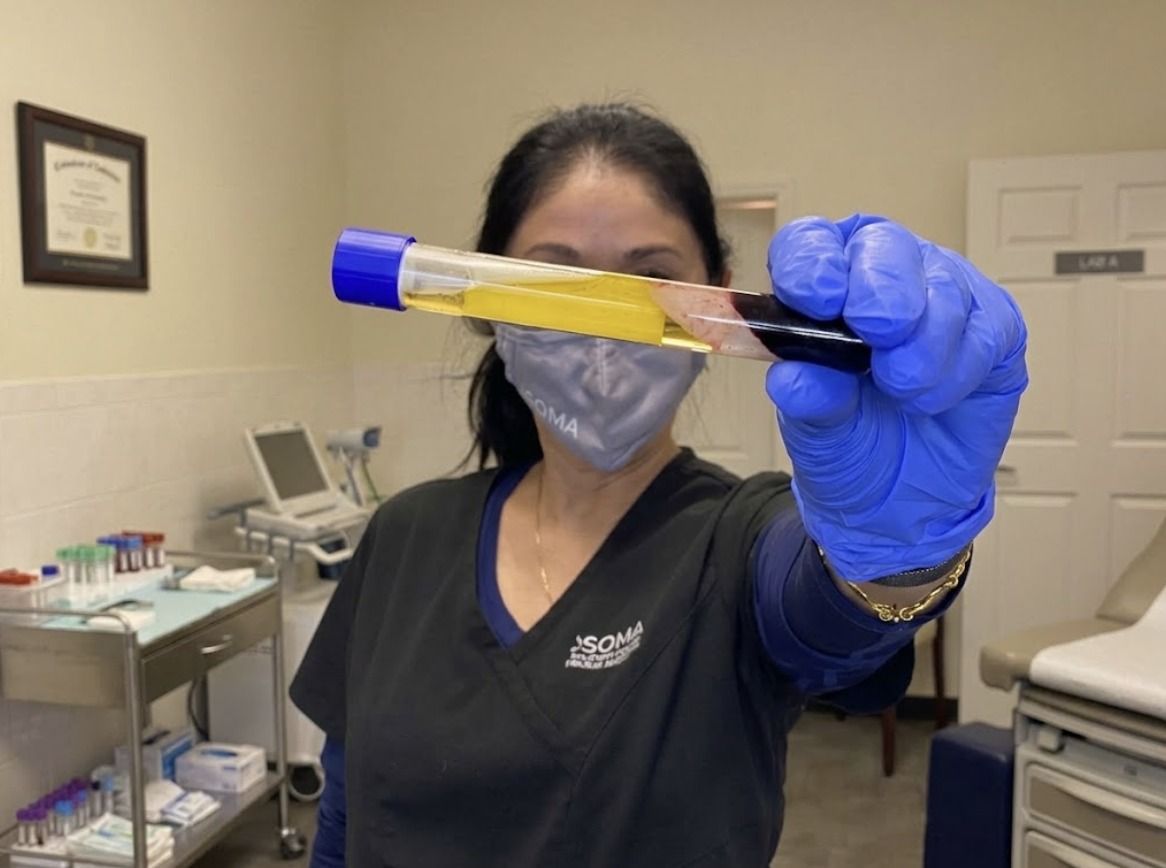
Fine lines may start to linger around the eyes and mouth. Skin can feel less smooth, pores may look more noticeable, and your complexion may not appear as fresh as it once did. These changes don't necessarily mean you need filler or a procedure that changes your face's shape.
A PRP face treatment offers another approach. PRP, or platelet-rich plasma, is prepared from your own blood and contains concentrated platelets and growth factors associated with tissue repair and collagen production. In aesthetic care, PRP may support gradual improvements in skin texture, fine lines, and overall skin quality.
At Southern Oregon Medical Aesthetics in Grants Pass, OR, the focus is on treatments that complement your natural features. PRP may fit that approach for someone who wants refreshed skin without an obvious or overdone result.
What You'll Learn From This Article
- How PRP is prepared and why platelets matter for skin rejuvenation
- What PRP may help with, including fine lines, uneven texture, and acne scars
- How PRP injections differ from microneedling with PRP
- What happens during treatment and early recovery
- Why PRP results develop gradually
- What safety factors should be discussed before treatment
- How PRP may fit into a personalized aesthetic plan in Grants Pass
Understanding how the treatment actually works is the best place to start.
What Is a PRP Face Treatment?
PRP stands for platelet-rich plasma. It is made by taking a small blood sample and processing it to separate and concentrate the platelet-rich portion.
Platelets are best known for their role in blood clotting, but they also release proteins called growth factors. These growth factors participate in wound healing, tissue repair, blood vessel development, and collagen-related activity.
A 2019 review on platelet-rich plasma for facial rejuvenation explains that concentrated platelets release growth factors and biologically active proteins involved in wound healing and collagen production. The authors also describe the use of PRP through direct injections and alongside procedures such as microneedling.
Because the plasma comes from your own blood, PRP is considered an autologous treatment.
That is one reason it appeals to people who prefer a regenerative approach to facial rejuvenation. Instead of adding a substance that creates immediate facial volume, PRP works through biological processes already present in your body.
That distinction is important when comparing PRP with treatments such as dermal filler. Filler can restore volume, improve facial balance, or support particular facial features. PRP focuses more on skin quality and gradual tissue response.
To understand why those changes take time, it helps to look at how PRP is prepared and delivered.
How Does PRP Facial Rejuvenation Work?
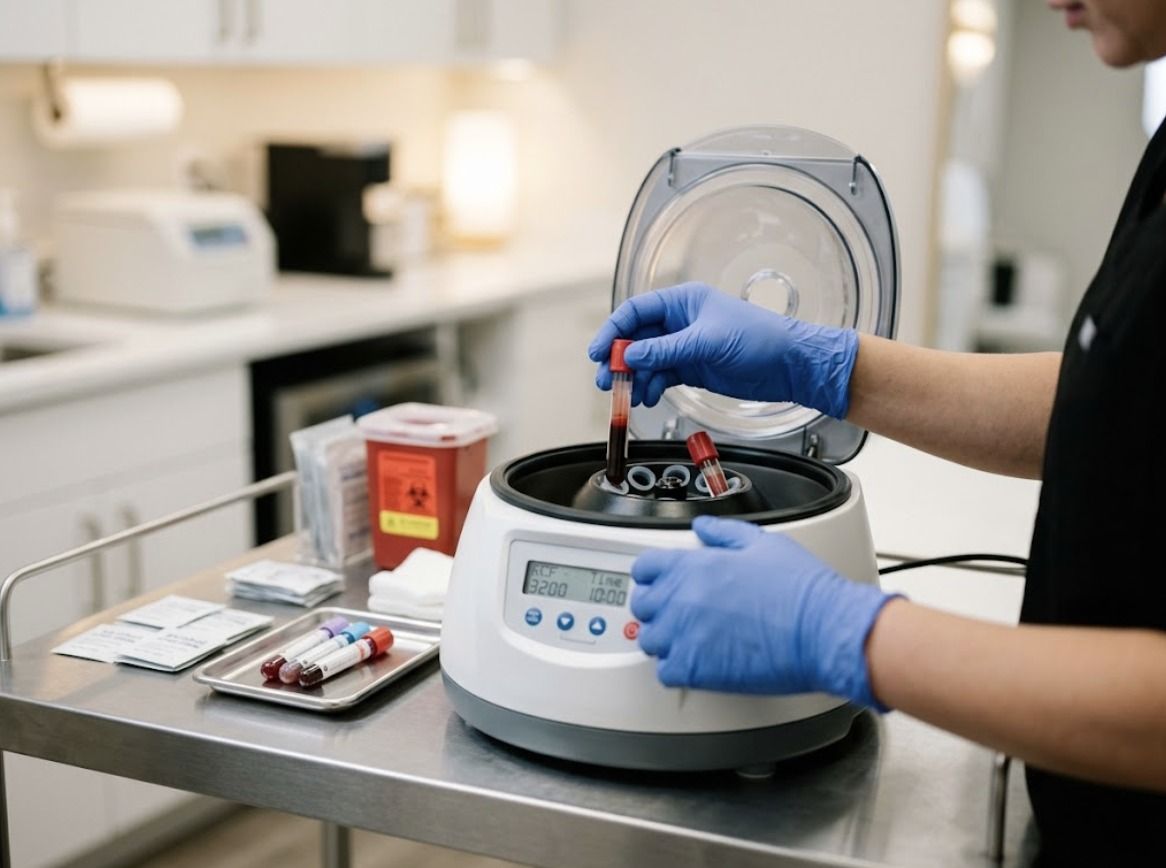
A PRP facial begins with your own blood. The preparation process concentrates platelets before applying the product to, or using it within, the treatment area.
Blood Collection and Centrifugation
A small blood sample is collected and placed into a centrifuge. The centrifuge spins the sample at high speed, separating its components.
The platelet-rich portion can then be collected for treatment.
PRP preparation methods can differ. The equipment used, processing technique, platelet concentration, and amount of other blood components in the final preparation may differ from one protocol to another.
This matters because PRP is not one identical product used in every study or clinic.
PRP Injections
One way to use PRP for facial rejuvenation is through injections.
A provider can inject small amounts of prepared PRP into selected areas of the face based on the patient's concerns and treatment plan. Placement and technique depend on what the provider is trying to address.
PRP injections may be considered for people who want to improve overall skin quality without adding the structural volume associated with dermal filler.
PRP With Microneedling
PRP may also be used alongside microneedling.
Microneedling uses very fine needles to create controlled microchannels in the skin. These small injuries trigger a repair response that includes collagen production. Providers may add PRP based on their treatment protocol.
A 2021 clinical review of platelet-rich plasma in aesthetic dermatology found moderate evidence supporting PRP for skin rejuvenation, acne scars, and rejuvenation around the eyes. The authors also noted significant differences in preparation methods and treatment schedules, which makes it difficult to establish one protocol that fits everyone.
That variability is one reason treatment planning should start with your skin condition rather than a fixed PRP package.
What Skin Concerns Can PRP Face Treatment Address?
PRP is often considered by people who want smoother, fresher-looking skin while preserving their natural facial proportions.
The treatment may fit several concerns, although individual response varies.
Fine Lines and Wrinkles
Aging skin gradually produces and maintains collagen differently. Sun exposure, facial movement, genetics, smoking, and other factors can also contribute to visible lines.
PRP may support collagen-related remodeling, which can help soften the appearance of some fine lines over time.
That does not make PRP a replacement for every wrinkle treatment.
Expression lines caused primarily by repeated muscle movement may respond better to a different type of treatment. Deeper folds or facial volume loss may also require a different approach.
A consultation helps determine what's contributing to the concern before choosing a procedure.
Uneven Skin Texture
Skin texture can change as collagen, elasticity, sun exposure, and natural aging affect the skin's supporting structure.
PRP has been studied for improvements in texture and overall skin quality. If you feel your complexion looks less smooth or refreshed than it used to, these changes may matter more than adding volume.
Acne Scars
PRP has also been studied for treating acne scars, particularly when used with other procedures such as microneedling.
Not all scars are the same. Some are shallow, while others extend deeper into the skin. Their shape, depth, age, and location can influence which treatment is appropriate.
For that reason, someone seeking treatment for acne scars may need a different PRP plan than someone primarily concerned with fine lines or general facial rejuvenation.
Overall Skin Rejuvenation
Some patients do not have one particular wrinkle or scar they want to treat. They simply feel their skin looks tired, less smooth, or less firm than before.
PRP may appeal to these patients because it focuses on skin quality rather than dramatic facial change.
That makes the exact treatment method especially important, since "PRP facial" can refer to more than one procedure.
PRP Injections vs. PRP With Microneedling
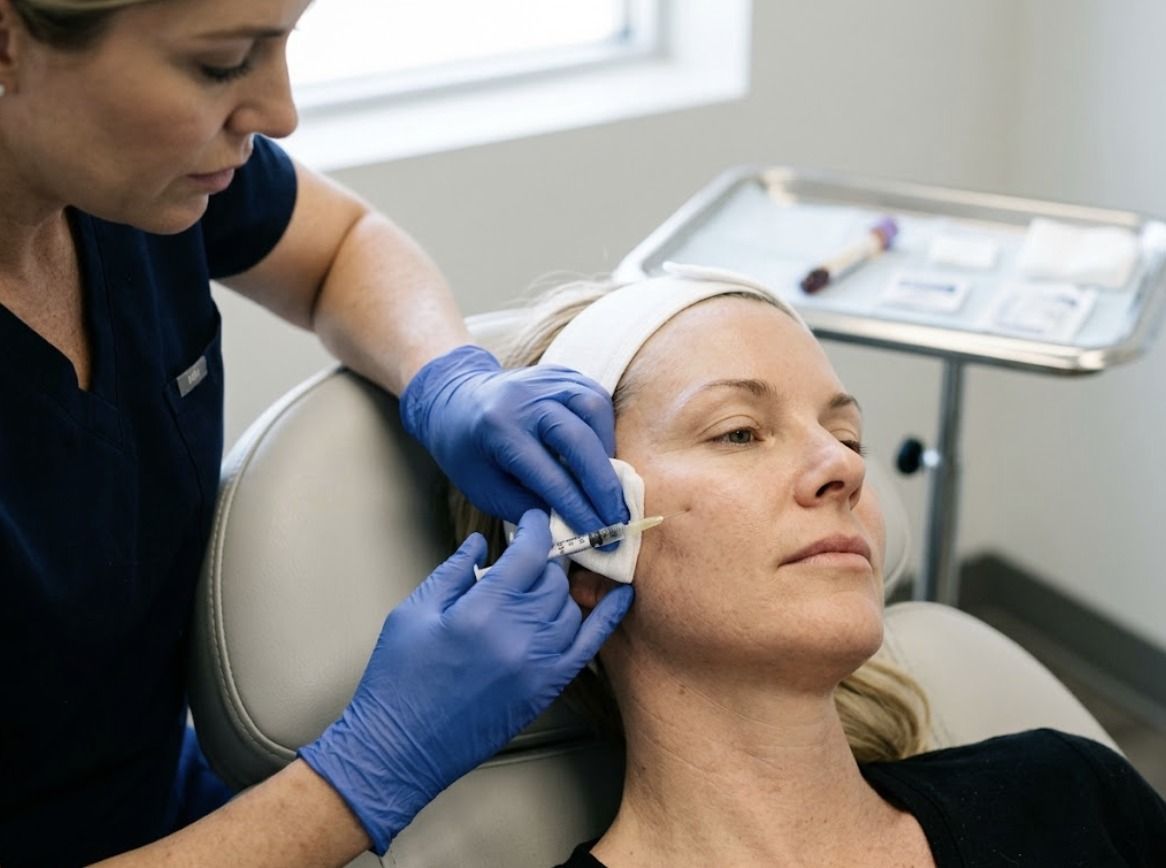
PRP injections and microneedling with PRP both use platelet-rich plasma, but they are different treatments.
| Treatment | What Happens | Common Treatment Focus |
|---|---|---|
| PRP injections | PRP is injected into selected areas | Targeted facial rejuvenation and skin quality |
| Microneedling with PRP | Microneedling creates controlled microchannels, and PRP is added to the procedure | Texture, collagen support, and some acne scar concerns |
| PRP-based facial treatment | PRP is used according to the provider's treatment protocol | Gradual improvement in skin quality |
PRP Injections
With injections, the provider places PRP directly into selected facial areas.
This lets the provider tailor treatment to the patient's anatomy, skin concerns, and goals. Because injections are involved, temporary swelling, tenderness, and bruising may occur.
Microneedling With PRP
Microneedling works differently.
The device creates controlled microinjuries in the skin, prompting a healing response. You may then incorporate PRP into the treatment.
You may discuss this approach for concerns such as texture, fine lines, or certain acne scars.
Is PRP the Same as a Vampire Facial?
You may also encounter the term "vampire facial" when researching PRP online.
This is a popular marketing term rather than a precise medical description. One clinic may use it for microneedling with PRP, while another may mean something slightly different.
Ask exactly what the procedure includes before comparing treatments. Knowing whether PRP will be injected, used with microneedling, or applied according to another protocol gives you a much clearer idea of what treatment and recovery may involve.
What to Expect During and After PRP Face Treatment
PRP treatment should begin with a discussion about your goals, health history, and skin rather than moving immediately to the procedure itself.
At Southern Oregon Medical Aesthetics, personalized treatment planning is an important part of aesthetic care.
Your Consultation
During the consultation, your provider may review:
- The changes you have noticed in your skin
- Areas you want to improve
- Previous injectable, laser, or skin treatments
- Medications and relevant health history
- Your tolerance for redness, swelling, or bruising
- Upcoming social events, work obligations, or travel
- Your preferred degree of cosmetic change
- Other treatments that may be more appropriate for your concerns
This conversation can also help determine whether PRP makes sense on its own or as part of a broader skin care plan.
What Happens During Treatment?
Protocols vary, but PRP treatment usually follows a general sequence.
- A small blood sample is collected.
- The sample is processed in a centrifuge.
- The treatment area is cleansed and prepared.
- The PRP is administered using the planned technique.
- Your provider reviews aftercare instructions.
If microneedling is included, your skin may respond differently than it would after injections alone.
What Is Recovery Like?
Common temporary reactions may include redness, swelling, tenderness, and bruising.
A 2024 systematic review of PRP for facial skin rejuvenation examined 11 studies involving 382 patients. The review reported improvements in measures including wrinkles, skin texture, firmness, and collagen density in several studies. It also found relatively few reported adverse effects, although the authors noted that complications such as infection, contamination, and occlusion are possible and that treatment methods differed considerably between studies.
The amount of redness or bruising you experience can depend on your treatment technique and individual response.
Follow the aftercare instructions your treating provider gives rather than relying on a general routine found online.
After the initial skin response settles, any cosmetic changes from PRP usually take more time.
When Will You See PRP Results?

PRP does not work like filler, where volume changes may be visible immediately.
Collagen-related activity and tissue remodeling happen gradually. Changes in texture, firmness, fine lines, or overall skin quality may become more noticeable as the skin responds over time.
There is no single timetable that applies to every person.
Your response may depend on factors such as:
- Your age
- Baseline skin condition
- Treatment area
- Degree of sun damage
- PRP preparation
- Treatment technique
- Number of sessions
- Previous procedures
- Your individual biological response
The number of sessions also varies.
Some clinical studies have evaluated one treatment, while others have used several sessions. Research has not established a universal schedule for every patient.
A thoughtful plan should respond to your skin and your progress, rather than assuming everyone needs the same number of appointments.
Before deciding on a schedule, however, your provider also needs to determine whether PRP is medically appropriate for you.
Is PRP Face Treatment Safe, and Who May Be a Good Candidate?
PRP comes from your own blood, but that does not make the treatment risk-free or appropriate for every person.
A consultation allows your provider to review factors that may affect treatment safety.
PRP may be considered for someone who wants to address concerns such as:
- Early fine lines
- Changes in skin texture
- Some acne scars
- Gradual loss of skin firmness
- General facial rejuvenation
Medical history matters too.
Certain blood or platelet conditions, active infection, serious illness, or medications that affect bleeding may affect whether PRP is suitable.
Your provider should review your medication list before treatment.
Do not stop a prescribed blood thinner or other medication simply because you are preparing for a cosmetic procedure. Discuss any changes to prescription medication with the clinician who manages it.
Possible side effects may include:
- Redness
- Swelling
- Tenderness
- Bruising
- Injection site discomfort
- Infection or other less common complications
It is also important to be realistic about what PRP can accomplish.
PRP may improve skin quality, but it cannot address every cause of facial aging. Someone with significant volume loss, deeper wrinkles, pronounced laxity, or another concern may need a different treatment or combination plan.
That is where a personalized aesthetic assessment becomes more useful than choosing a treatment based on its name alone.
PRP Face Treatment in Grants Pass, OR
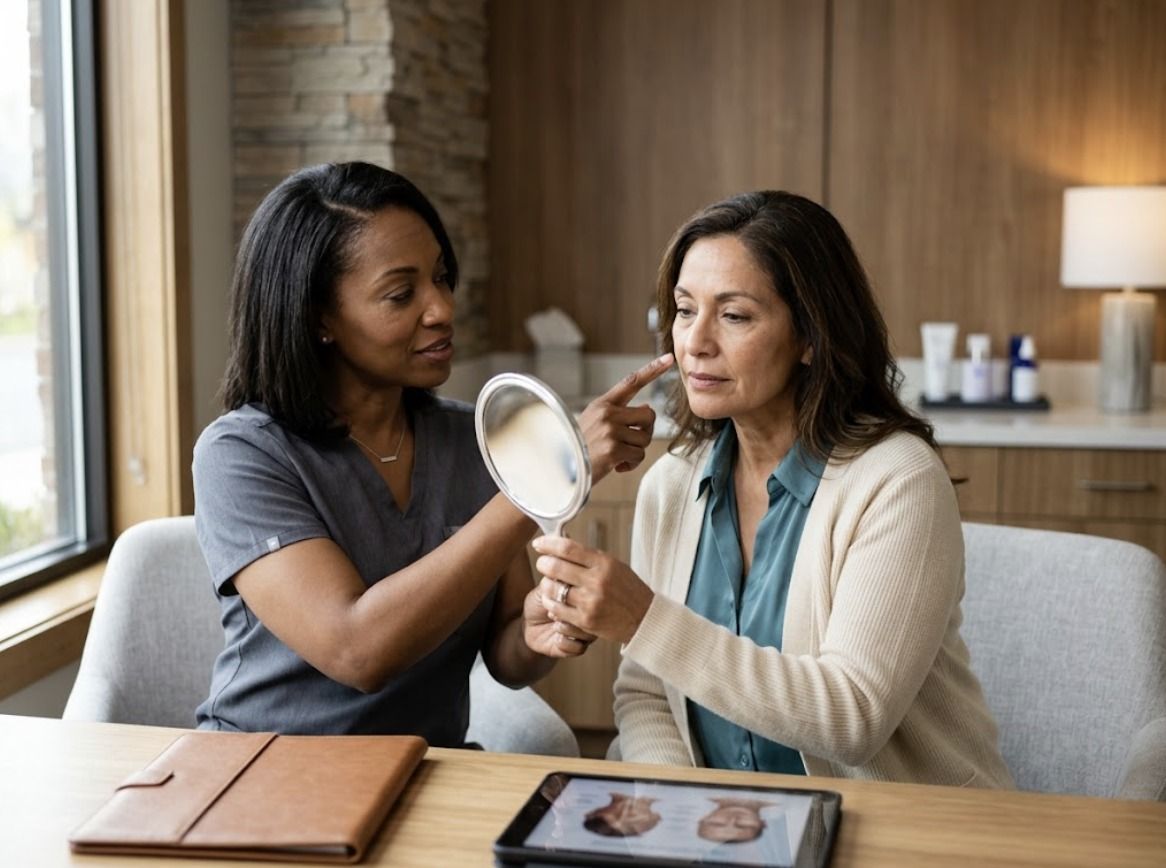
The best aesthetic treatment isn't always the one you originally expected to book.
At Southern Oregon Medical Aesthetics, we take time to understand the result you want before recommending the next step. For some patients, that may include PRP. For others, another skin treatment may better match the concern.
A woman in her thirties noticing early texture changes may have very different needs from someone in her fifties concerned about laxity, facial structure, and deeper lines. Their treatment plans should not look identical.
Our approach in Grants Pass focuses on natural-looking enhancement and long-term planning. That means considering your skin quality, facial structure, previous treatments, comfort with downtime, and personal preferences together.
PRP may work as a stand-alone option for some patients. It may also fit into a broader plan that includes microneedling or other aesthetic procedures.
Knowing your goal first makes it much easier to decide where PRP belongs.
Frequently Asked Questions About PRP Face Treatment
1. What does PRP face treatment do for your skin?
PRP contains concentrated platelets and growth factors involved in tissue repair and collagen-related processes.
In aesthetic treatment, PRP may help improve fine lines, skin texture, firmness, and overall skin quality. Response varies, and not every patient will experience the same degree of change.
2. Is a PRP facial the same as microneedling?
No.
Microneedling uses fine needles to create controlled microchannels in the skin. PRP is a platelet-rich preparation made from your own blood.
You may combine the two treatments, but you can also receive PRP injections. Ask your provider what is included when you see the term "PRP facial."
3. How long does PRP face treatment take to show results?
PRP-related skin changes tend to develop gradually because collagen remodeling takes time.
Your timeline may depend on your age, skin condition, treatment technique, number of sessions, and how you respond.
Your provider can give you a more personalized expectation after evaluating your skin.
4. How many PRP treatments will I need?
There is no fixed number that applies to everyone.
Some people may receive a single treatment, while others may follow a series based on their goals and response. Published studies have also used different treatment schedules.
Your provider should determine the plan according to your skin rather than automatically assigning the same number of sessions to every patient.
5. Can PRP help acne scars and fine lines?
PRP has been studied for both facial rejuvenation and acne scarring.
It may improve fine lines and skin texture, while acne scar treatment may pair PRP with microneedling or another procedure.
The type and depth of scarring matter, so an assessment is important before deciding which treatment approach makes sense.
Those details can help you come to a consultation with realistic questions and a clearer idea of what you want to improve.
Is PRP the Right Next Step for Your Skin?
A PRP face treatment may appeal to people who want gradual skin rejuvenation without immediately adding facial volume or changing their natural features.
Research suggests PRP may help improve concerns such as skin texture, fine lines, firmness, and some types of acne scarring. At the same time, preparation methods, treatment schedules, and individual results vary.
At Southern Oregon Medical Aesthetics, we create a plan that fits your face rather than chasing a particular procedure. That may mean PRP, another treatment, or a thoughtful combination based on your skin and long-term aesthetic goals.
If you are considering PRP face treatment in Grants Pass, OR, request an appointment with Southern Oregon Medical Aesthetics to discuss your concerns and create a personalized treatment plan that feels natural for you.

Joyce Solar
RN - Cofounder/Master Injector
Joyce Solar, RN, is the cofounder and Master Injector at Southern Oregon Medical Aesthetics Center with over 20 years of experience in medical aesthetics. She is an Ultherapy specialist and national clinical educator known for her expertise in facial aesthetic injectables.