Botox vs Xeomin Grants Pass: Which Injectable Is Right for You

Joyce Solar
RN - Cofounder/Master Injector
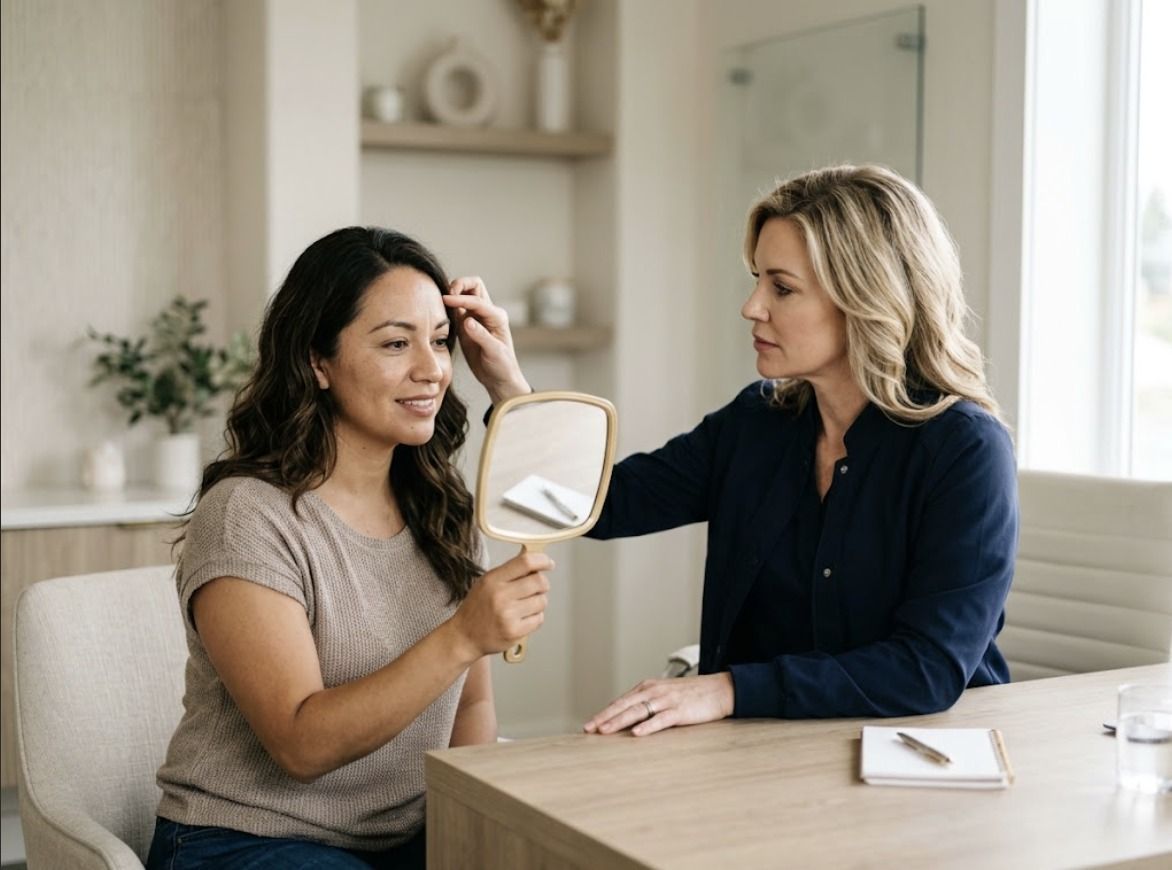
Botox and Xeomin often come up in the same conversation. Both are injectable neurotoxins used to soften expression-related wrinkles, and both can create subtle results when treatment is planned carefully. The harder question is deciding which one makes sense for your face.
When comparing Botox vs Xeomin, there is no universal winner. The products have different formulations, but your facial movement, muscle strength, treatment history, desired level of expression, and injector's technique all influence the decision.
At Southern Oregon Medical Aesthetics in Grants Pass, the goal is not to make your face look frozen or noticeably treated. The focus is on thoughtful placement, natural-looking wrinkle softening, and a plan that suits your features.
What You'll Learn From This Article
- How Botox and Xeomin temporarily soften expression-related wrinkles
- The key formulation difference between the two injectables
- What research says about Xeomin vs Botox effectiveness
- Which areas may be treated with botulinum toxin
- What can affect how quickly results appear and how long they last
- Why your anatomy, treatment history, and injector matter as much as the product
- What to consider before choosing an injectable in Grants Pass
Botox and Xeomin Explained: How These Neurotoxins Work
Botox and Xeomin both belong to a class of injectable medications made with botulinum toxin type A. In cosmetic treatment, they temporarily reduce activity in selected facial muscles that contribute to dynamic wrinkles.
How Botulinum Toxin Softens Dynamic Wrinkles
Facial expressions happen because nerves signal muscles to contract. Repeating the same movements over many years can contribute to lines between the eyebrows, across the forehead, and around the eyes.
A neurotoxin injection temporarily reduces the nerve signals reaching a targeted muscle. When the muscle contracts less strongly, the skin above it may appear smoother.
This works best for dynamic wrinkles, meaning lines connected to facial movement. A wrinkle that remains visible when your face is completely relaxed may also involve skin quality, collagen loss, sun damage, or volume changes.
That distinction is important because an injectable neurotoxin cannot correct every type of facial aging. Sometimes wrinkle softening works best as one part of a broader treatment plan.
Botox and Xeomin Are Different Products in the Same Category
Botox Cosmetic contains onabotulinumtoxinA. Xeomin contains incobotulinumtoxinA.
Both are botulinum toxin type A products, but they are not identical medications. Dysport is another neurotoxin in the same general cosmetic category.
Each product has its own formulation, prescribing information, and dosing guidance. Units should not automatically be treated as interchangeable between different botulinum toxin products.
Once the basic mechanism is clear, the next question is what actually separates Xeomin from Botox.
Xeomin vs Botox: What Is the Main Difference?
The biggest distinction in a Xeomin vs Botox comparison is how each product is formulated.
What Botox Contains
Botox contains onabotulinumtoxinA as part of a neurotoxin protein complex.
Those associated proteins are part of the product's formulation. Their presence does not mean Botox is inferior, unsafe, or less appropriate for cosmetic treatment.
Botox has been used extensively in both cosmetic and medical settings, and many patients have predictable treatment histories with it.
What Makes Xeomin Different?
Xeomin contains incobotulinumtoxinA and is manufactured without the complexing proteins associated with some other botulinum toxin preparations.
A published review of incobotulinumtoxinA identifies this absence of complexing proteins as a key formulation difference.
You may hear Xeomin described casually as a "cleaner" injectable. That description can create the wrong impression. More accurately, Xeomin has a different protein composition around the active ingredient.
The formulation difference may matter when a provider considers treatment history and product selection, but it does not automatically mean Xeomin will look more natural, last longer, or work better for every patient.
That leads to the question most people care about most: what can each product actually treat?
Botox vs Xeomin for Forehead Lines, Frown Lines, and Other Wrinkles
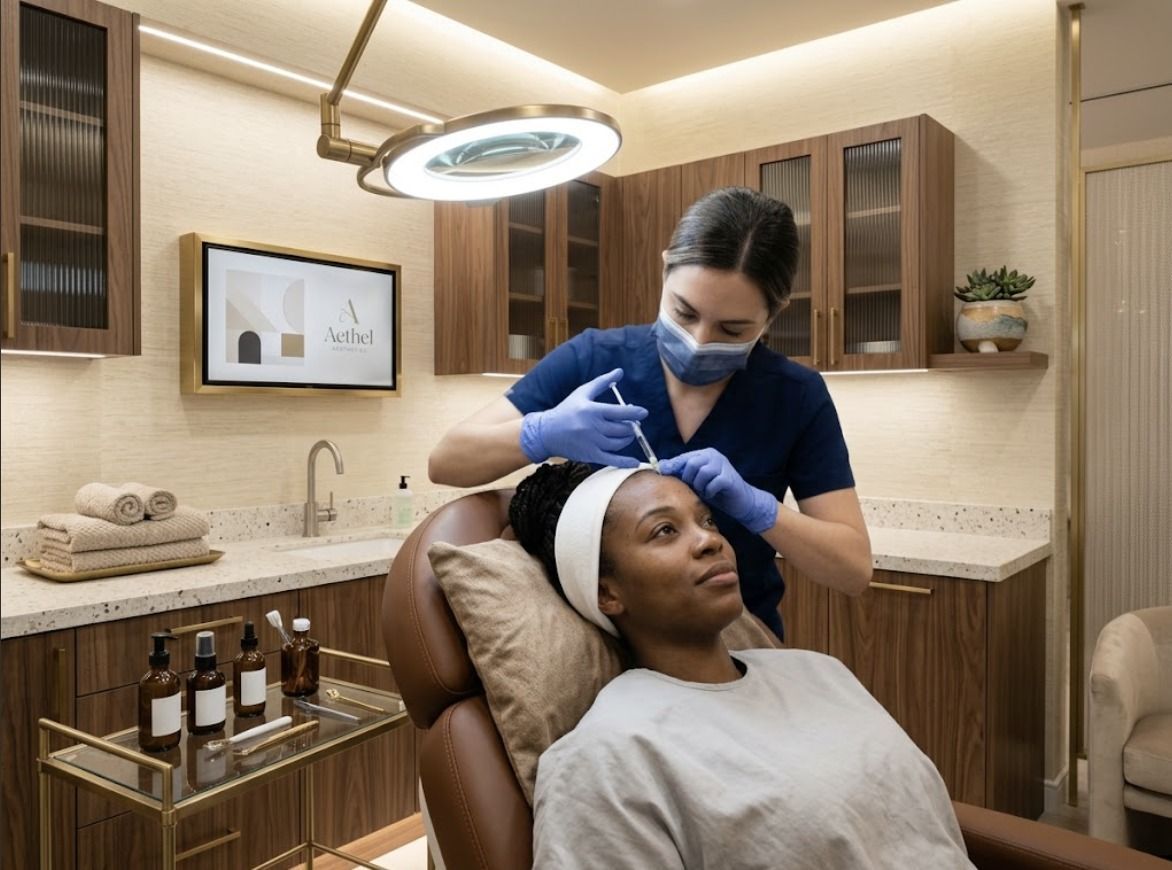
Both Botox and Xeomin can treat expression-related facial lines, depending on the treatment area, current product indications, and your provider's assessment.
Frown Lines and Glabellar Lines
Glabellar lines are the vertical lines that form between the eyebrows when you frown, concentrate, or squint.
These lines are one of the most studied cosmetic treatment areas for botulinum toxin type A products. They are also a common reason patients start researching Botox and Xeomin.
Treatment planning involves more than placing injections directly into a visible line. An injector evaluates the muscles creating the movement and considers how those muscles interact with the brows and forehead.
Forehead Lines and Crow's Feet
Horizontal forehead lines develop largely from repeated forehead movement. Crow's feet form around the outer corners of the eyes during expressions such as smiling and squinting.
Neurotoxin injections may soften these areas by reducing selected muscle activity.
The goal should not automatically be to remove every sign of movement. For many patients, especially those who prefer subtle enhancement, keeping some natural expression is an important part of the treatment plan.
When Neurotoxin Alone May Not Be Enough
Not every fine line comes primarily from muscle activity.
If a line remains visible at rest, your provider may also consider factors such as:
- Skin texture
- Loss of collagen
- Sun damage
- Skin laxity
- Facial volume changes
- Previous treatments
At Southern Oregon Medical Aesthetics, personalized planning becomes especially useful. Instead of choosing an injectable based only on a brand name, we consider it in the context of your skin, facial structure, and longer-term goals.
Understanding the treatment areas helps, but effectiveness is usually the next concern.
Botox vs Xeomin Effectiveness: What Does the Research Show?
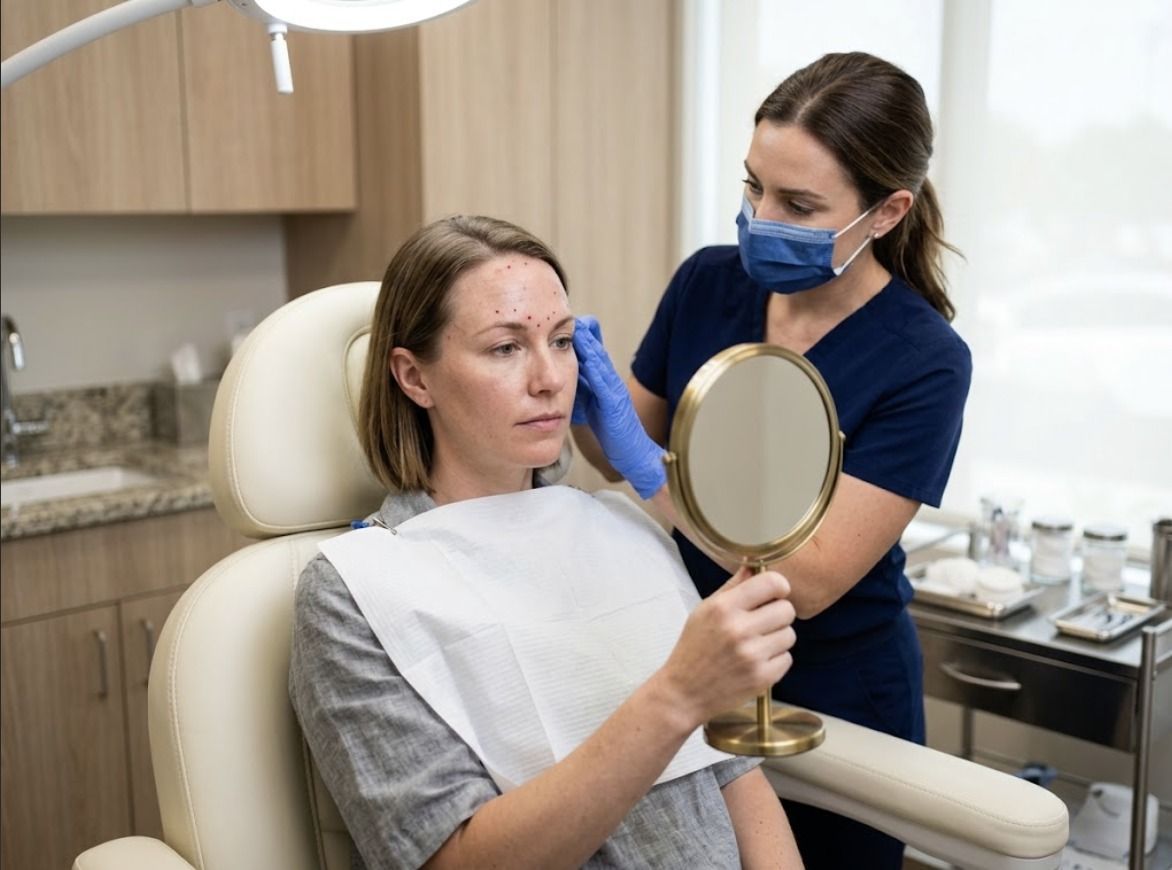
Both products have clinical evidence supporting their use for cosmetic wrinkle treatment. Research comparing them directly suggests that both can be effective, but individual studies do not always produce identical findings.
Evidence From a Direct Botox and Xeomin Comparison
A randomized, double-blind clinical study involving 250 women compared incobotulinumtoxinA with onabotulinumtoxinA for moderate to severe glabellar frown lines.
The researchers found comparable effectiveness at one month, with similar efficacy and tolerability during the study period.
For patients, this supports an important point. Xeomin and Botox can both produce meaningful improvement in appropriately selected cosmetic treatment areas.
Why Research Does Not Identify One Winner for Everyone
Another randomized split-face study evaluated 45 patients treated for forehead lines, glabellar lines, and crow's feet.
Both products reduced dynamic wrinkles, but the researchers reported greater wrinkle reduction with onabotulinumtoxinA at several follow-up points under that study's specific design and dosing approach.
Interpret these findings in context. Studies can differ in sample size, dose, treatment area, injection technique, follow-up period, and the way results are measured.
A clinical study can tell us how groups of patients responded under controlled conditions. It cannot tell you exactly how your own facial muscles will respond.
That individual response matters most when comparing how quickly each injectable works and how long the effect may last.
Does Botox or Xeomin Work Faster or Last Longer?
Botox and Xeomin do not create their full cosmetic effect immediately after injection. Changes typically develop gradually as activity in the treated muscles decreases.
How quickly you notice a change can vary from person to person.
Duration also varies. Factors that may affect how long a neurotoxin treatment lasts include:
- Muscle strength
- Dose
- Treatment area
- Injection placement
- Individual metabolism and response
- Previous neurotoxin treatments
- The amount of movement your injector intends to preserve
Some patients feel that one product lasts longer for them than another. That personal history can help plan future appointments, but it shouldn't become a universal rule.
If you have had Botox, Xeomin, or another neurotoxin before, tell your injector when you noticed the treatment taking effect, how the movement felt, and when you began seeing your normal muscle activity return.
Those details often provide more useful guidance than choosing a product based only on online comparisons.
A side-by-side view can make the main differences easier to see.
Botox vs Xeomin Comparison at a Glance
| Feature | Botox Cosmetic | Xeomin |
|---|---|---|
| Active ingredient | OnabotulinumtoxinA | IncobotulinumtoxinA |
| Product type | Botulinum toxin type A | Botulinum toxin type A |
| Complexing proteins | Present in the neurotoxin complex | Manufactured without complexing proteins |
| Common cosmetic purpose | Temporary softening of expression-related wrinkles | Temporary softening of expression-related wrinkles |
| Results | Temporary | Temporary |
| Best choice | Depends on anatomy, goals, history, and provider assessment | Depends on anatomy, goals, history, and provider assessment |
The table shows the product differences, but it cannot show how your forehead moves, how strong your glabellar muscles are, or how much expression you want to keep.
That is why safety and injector judgment remain central to any cosmetic neurotoxin treatment.
Safety, Side Effects, and Treatment Limitations
Botox and Xeomin are prescription medications. Treatment should start with an appropriate health review and facial assessment.
Temporary reactions can occur around the injection area. Depending on the product, treatment area, dose, and individual response, these may include:
- Redness
- Swelling
- Tenderness
- Bruising
- Headache
- Temporary asymmetry
- Unwanted weakness in nearby muscles
More serious adverse effects are possible with botulinum toxin products, which is why medical screening and correct injection technique matter. Tell your provider about medications, supplements, previous botulinum toxin treatment, allergies, neuromuscular conditions, facial procedures, and other relevant health concerns. Discuss pregnancy or breastfeeding before treatment.
Your injector should evaluate more than the wrinkle itself. Brow position, muscle strength, facial symmetry, previous treatment response, and the relationship between nearby muscles can all affect the plan.
It is also important to separate cosmetic use from other medical uses of botulinum toxin. For example, Botox has medical indications involving conditions such as chronic migraine, but that does not mean Botox and Xeomin share every approved indication.
With safety considered, product selection becomes a more personal discussion.
Who Might Choose Xeomin and Who Might Choose Botox?
No reliable rule places every patient in a Botox group or a Xeomin group.
An injector may recommend Botox if you have used it before and responded well, if your dosing history provides useful guidance, or if it fits the treatment plan for a specific area.
Xeomin may be considered if your provider prefers its formulation for your treatment plan, if you have responded well to it previously, or if its lack of complexing proteins is relevant to the clinical discussion.
Your own treatment history can be especially useful.
Before your consultation, think about:
- How much movement remained after your last treatment?
- Did any area feel too heavy or too restricted?
- Did one side respond differently?
- When did you first notice a change?
- How long did you feel satisfied with the result?
- Are your goals different this time?
These are often more useful questions than simply asking which injectable is "stronger."
The final choice should come back to your face, your goals, and the kind of result you want to see in the mirror.
Choosing Botox or Xeomin in Grants Pass Starts With Your Face
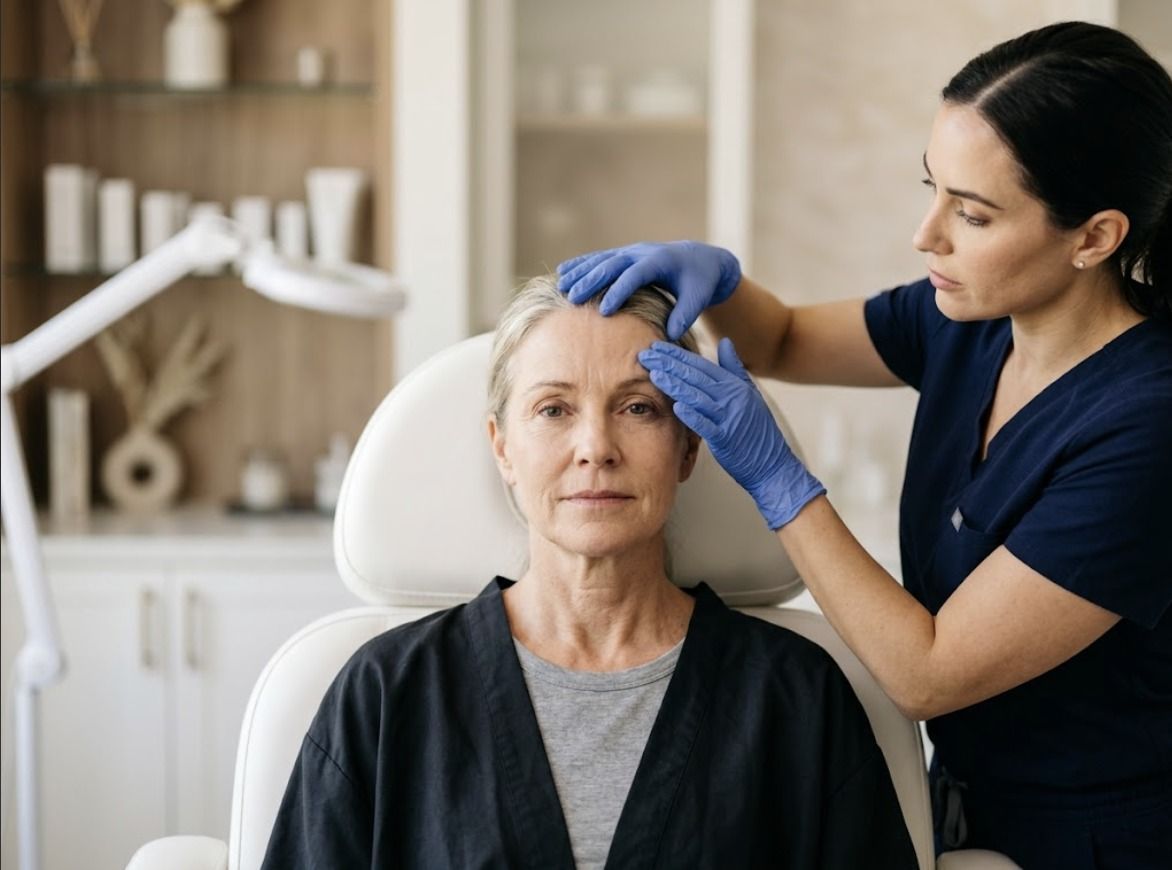
Brand comparisons can help you understand the basics, but cosmetic injections should never feel like choosing a product from a shelf.
At Southern Oregon Medical Aesthetics, treatment planning can account for your facial movement, forehead strength, brow position, current wrinkles, existing asymmetry, previous injectable experience, and preferred level of expression.
A patient in her 20s who wants subtle wrinkle softening may need a very different approach from someone in her 40s, 50s, or beyond who also has changes in skin quality, facial structure, or laxity.
The same applies to patients who are worried about looking overdone. Natural-looking results come from conservative decision-making, appropriate dosing, thoughtful placement, and a clear understanding of what you want to change and what you want to preserve.
For some patients in Grants Pass, Botox may fit that plan. For others, Xeomin may make more sense. In some cases, another treatment or a combination of treatments may be worth considering.
Once you move past brand loyalty, the decision becomes much clearer.
Botox vs Xeomin in Grants Pass: The Right Choice Is Personal
Botox and Xeomin are both botulinum toxin type A injectables used to temporarily soften certain expression-related wrinkles. Their main technical difference involves formulation, particularly the presence or absence of complexing proteins.
The better Botox vs Xeomin decision starts with your anatomy, treatment area, previous response, desired movement, and the judgment of the person performing your injections.
For patients who value a refreshed appearance without looking obviously treated, that personalized approach matters more than choosing the most familiar brand name.
Frequently Asked Questions
1. Is Xeomin better than Botox?
Not for everyone. Both Botox and Xeomin can temporarily soften certain dynamic wrinkles. Xeomin has a different formulation because it does not contain complexing proteins, but that difference does not automatically make it more effective or more natural-looking.
Your treatment history, facial anatomy, goals, dose, and injection placement all matter.
2. What is the main difference in Botox vs Xeomin?
The primary difference is formulation.
Botox contains onabotulinumtoxinA as part of a neurotoxin protein complex. Xeomin contains incobotulinumtoxinA and is manufactured without complexing proteins.
Both are botulinum toxin type A medications used for specific cosmetic and medical indications.
3. Does Xeomin last as long as Botox?
It may. Clinical studies have found comparable effectiveness and duration in some treatment settings, but individual responses vary.
Muscle strength, dose, treatment area, injection technique, and your own biology can influence how long the effect lasts.
4. Can you switch from Botox to Xeomin?
A provider may consider switching products after reviewing your previous treatments, response, timing, treatment areas, and goals.
Tell your injector which product you received previously and how you responded. Dosing should be determined according to the specific product rather than assuming units transfer directly between neurotoxins.
5. Which is better for forehead lines, Botox or Xeomin?
Both may be considered for forehead lines when clinically appropriate. The best choice depends on factors such as forehead muscle strength, brow position, existing asymmetry, previous treatment response, and how much natural movement you want to maintain.
A facial assessment is more useful than choosing based on the brand alone.
If you are comparing Botox and Xeomin in Grants Pass, Southern Oregon Medical Aesthetics can help you look at the decision in the context of your full face, not just a single wrinkle. Request an appointment to discuss your concerns, previous injectable experience, and the kind of natural-looking result you prefer, and we will create a personalized treatment plan that fits your goals.

Joyce Solar
RN - Cofounder/Master Injector
Joyce Solar, RN, is the cofounder and Master Injector at Southern Oregon Medical Aesthetics Center with over 20 years of experience in medical aesthetics. She is an Ultherapy specialist and national clinical educator known for her expertise in facial aesthetic injectables.