Brow Treatment in Grants Pass, OR - Lift & Refresh Your Look

Joyce Solar
RN - Cofounder/Master Injector
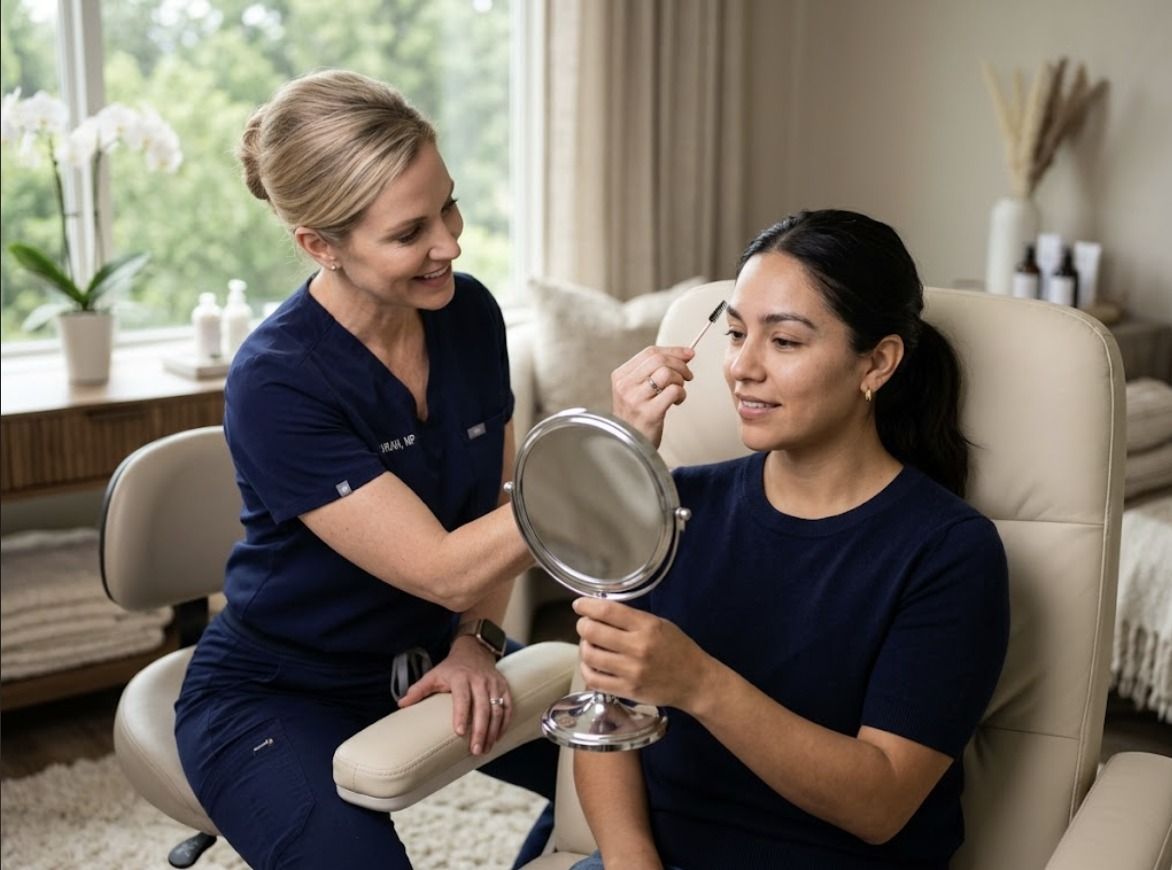
Brows strongly influence how open, balanced, and polished your face looks. When brow hairs grow downward, lose definition, appear sparse, or refuse to stay in place, daily pencils and gels can start to feel like a chore.
A professional brow treatment can offer a simpler way to shape and define the brows you already have. At Southern Oregon Medical Aesthetics in Grants Pass, brow lamination and tinting create a fuller, cleaner look while keeping the result natural and suited to your features.
The right option depends on what you want to change. Brow lamination, eyebrow tinting, microblading, neuromodulators, and thread-based treatments all work differently, so understanding those differences matters before you book.
What You'll Learn From This Article
- How brow lamination changes the direction and shape of brow hair
- What eyebrow tinting can add to lighter or less defined brows
- How lamination differs from microblading
- When a brow concern may involve more than hair direction
- Who may be a good candidate for brow treatment
- What to expect during an appointment in Grants Pass
- How long results may last and what can affect them
What Is a Brow Treatment?
The term brow treatment can refer to several cosmetic services, but they do not all address the same concern.
At Southern Oregon Medical Aesthetics, brow lamination and tinting focus on shaping and defining your natural eyebrow hair. They do not permanently change your facial structure or create new brow hair.
Brow Lamination
Brow lamination is a semi-permanent styling treatment that softens existing brow hairs so they can be brushed and set into a more controlled direction.
It can help when brow hairs grow downward, overlap unevenly, lie flat, or are difficult to style. By repositioning the hairs, lamination may create a fuller, more uniform look without adding pigment beneath the skin.
The result can range from soft and groomed to more brushed up and structured, depending on your natural brow hair and the look you prefer.
Eyebrow Tinting
Eyebrow tinting focuses on color rather than hair direction.
A tint temporarily darkens existing brow hairs, including finer strands that may be hard to see. Making those lighter hairs more visible can improve definition and make the brow appear denser.
You can tint on its own or pair it with lamination when you want both stronger shape and more visible color.
Once you understand what each treatment changes, it becomes easier to see why lamination can create a lifted appearance without actually lifting deeper facial tissue.
How Brow Lamination Can Create a Fuller, More Lifted Look
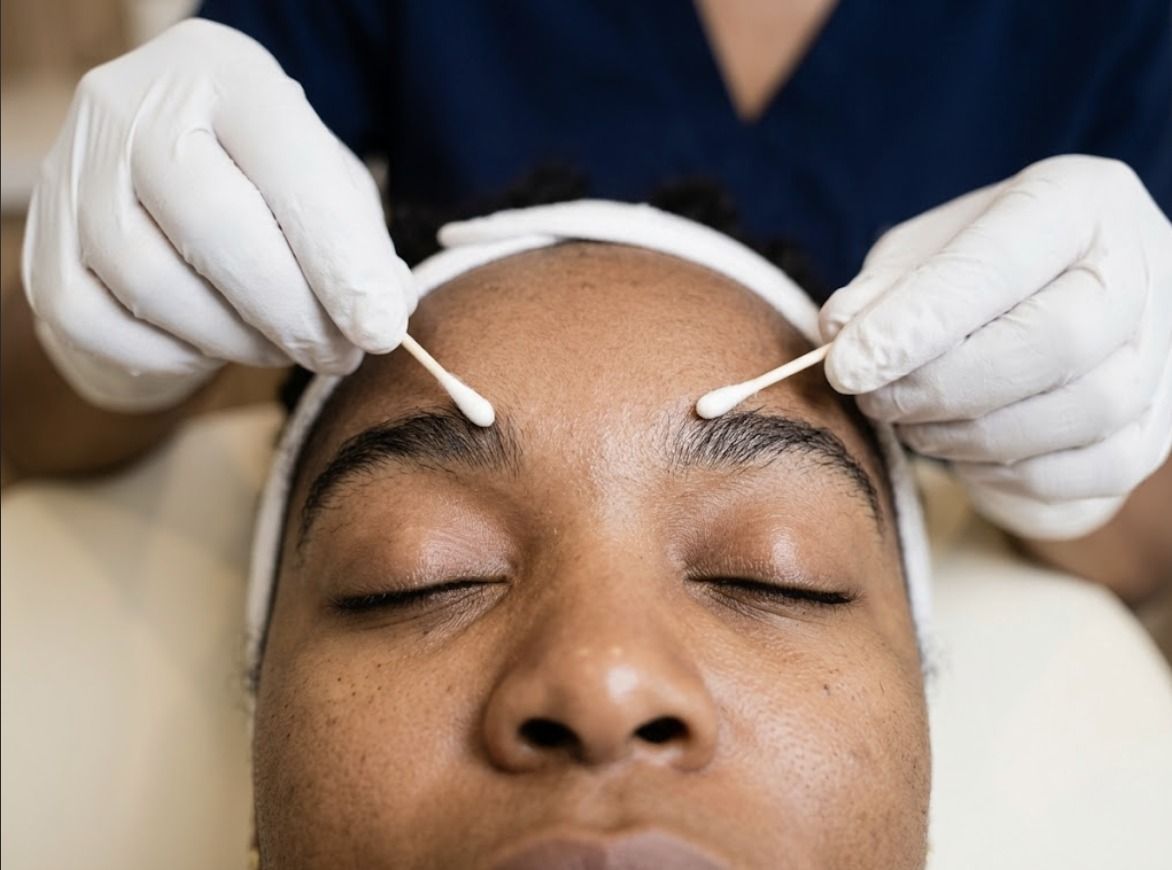
The visual effect of brow lamination comes from changing how the hairs sit across the brow.
Redirecting Brow Hair Changes the Shape You See
Brow hairs rarely grow in one perfectly uniform direction. Some angle downward, some cross over neighboring hairs, and others lie flat against the skin.
During lamination, the hairs become more flexible and are brushed into a planned position before being set. This can make more of each hair visible and distribute existing brow hair more evenly.
Depending on your natural brows, lamination may help:
- Cover small areas of uneven density
- Make the arch look cleaner
- Give the tail more definition
- Create the appearance of greater fullness
- Make the eye area look more open
The treatment still depends on how much brow hair you already have and where it is. It cannot create follicles where hair is absent.
Fuller Does Not Have to Mean Dramatic
A fuller brow does not have to mean a bold, fluffy style.
Some people want the hairs brushed upward for a modern look. Others want a softer shape that simply stays tidy and balanced throughout the day.
The best result should work with your facial proportions, brow density, and personal style, not copy a trend.
Brow lamination changes the position of brow hair. It does not physically lift the skin, muscles, or deeper eyebrow tissue.
That distinction matters when comparing lamination with treatments that target the brow's actual position.
Brow Lamination and Tinting Can Work Well Together
Lamination and tinting address different parts of the brow, which is why they are often paired.
| Treatment | What It Primarily Changes | May Suit |
|---|---|---|
| Brow lamination | Hair direction and visible shape | Unruly, downward-growing, or uneven brows |
| Brow tint | Visible color and definition | Light, fine, or less noticeable brow hairs |
| Lamination plus tint | Shape, direction, and visible density | Clients wanting a fuller, more polished brow |
Lamination creates structure by changing where the hairs sit.
Tinting adds contrast, which can make finer or lighter brow hairs contribute more to the overall shape.
For someone with light brows, lamination alone may improve shape but still leave the brow looking soft. Tinting may help those hairs stand out more.
For someone with dark but unruly brows, lamination may make the bigger visual difference.
The amount of natural hair still matters. When gaps are larger and there's little or no hair, you may need another treatment to create the appearance of added density.
That is where microblading comes in.
Brow Lamination vs. Microblading: What Is the Difference?
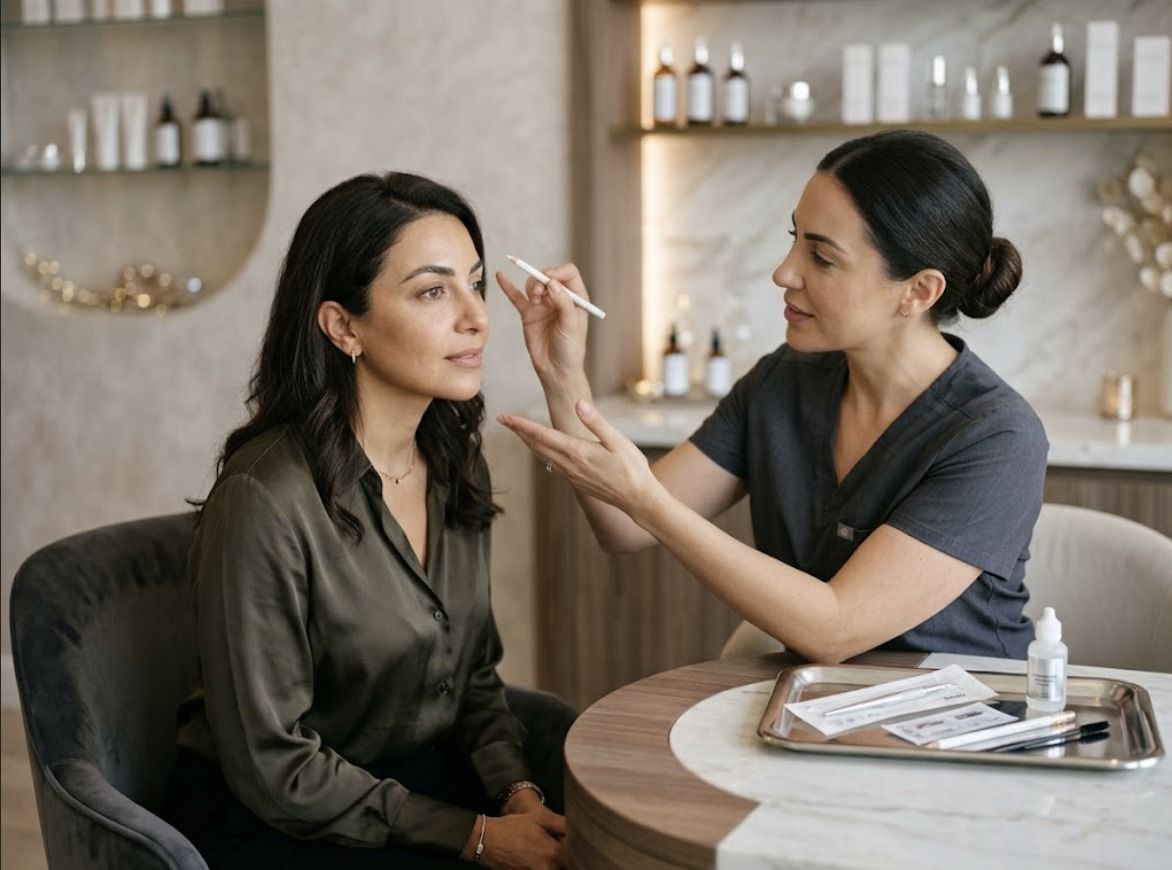
Lamination and microblading can both make brows look fuller, but they do so in very different ways.
Lamination Works With Existing Brow Hair
Brow lamination is a hair styling service.
It changes the direction of natural brow hairs and gradually wears off as the hair cycle continues. No pigment is placed into the skin. This makes it more appropriate for someone who already has enough brow hair but wants better direction, shape, or visible fullness.
Microblading Creates Pigmented Hair-Like Strokes
Microblading is a form of superficial micropigmentation. A handheld tool with fine needles places pigment into the superficial layers of the skin to create strokes that resemble eyebrow hairs.
A review published in the Indian Dermatology Online Journal describes microblading as a semi-permanent procedure and reports that results may last around 12 to 18 months, although longevity varies. The authors also discuss the importance of facial anatomy, natural hair growth, brow mapping, technique, and practitioner training.
Microblading may create the appearance of hair in areas where lamination cannot, but it also involves placing pigment in the skin and comes with a different set of treatment considerations.
Neither option is automatically better. The better choice depends on whether your main concern is hair direction, color, missing density, or another change in the brow area.
For some people, the concern is not the hair at all. It is the position of the brow itself.
What About Botox, Threads, or Other Brow Lifting Treatments?
A search for brow treatment or brow lift can bring up several procedures with very different purposes.
Brow lamination only affects hair direction. Medical aesthetic treatments may affect muscle activity, skin, supporting tissue, or facial contours.
A review of nonsurgical eyebrow rejuvenation published in the Journal of Drugs in Dermatology discusses options including neuromodulators, fillers, laser-based treatments, radiofrequency, threads, and tattoo-based techniques. It also notes that the eyebrow is anatomically complex and treatment should be individualized.
How Neuromodulators May Affect Brow Position
Neuromodulators reduce activity in selected muscles.
When used around the brow, treatment patterns may alter the balance between muscles that raise and lower parts of the eyebrow. A systematic review of 11 studies involving 585 patients found measurable changes in eyebrow position after onabotulinumtoxinA treatment. The greatest reported elevation occurred in the lateral brow, although techniques and outcomes varied. The review also reported bruising and headache as common complications, with eyelid ptosis occurring in a small number of cases.
These treatments are not substitutes for brow lamination. If the main issue is downward-growing or difficult-to-style brow hair, lamination may be worth discussing. If the concern involves brow position, skin laxity, or facial structure, a medical aesthetic consultation can clarify the most appropriate options.
That distinction also helps determine who is most likely to get value from lamination and tinting.
Who Is a Good Candidate for Brow Lamination and Tinting?
Brow lamination and tinting may suit people who want more polished brows without a dramatic change.
You may consider brow treatment if you:
- Have hairs that grow in inconsistent directions
- Want the brows to appear fuller
- Have light or fine brow hair that lacks definition
- Notice mild unevenness in visible density
- Spend time setting your brows each morning
- Prefer a temporary option instead of implanted pigment
- Want a natural-looking result that still feels polished
Lamination can be especially helpful when you already have enough brow hair to work with.
When Brow Treatment Has Limitations
Lamination cannot create new hair follicles or completely fill an area where brow hair is absent.
It also cannot tighten loose skin or produce the same effect as a medical brow lifting treatment.
If eyebrow thinning is new, unexplained, or significant, a cosmetic service may not address the cause. In that situation, discussing the change with an appropriate healthcare professional may be the better first step.
For people who are a good fit, the appointment typically focuses on consultation, shaping, and careful placement of the brow hairs.
What Happens During a Brow Treatment Appointment in Grants Pass?
A good brow treatment starts with a conversation about what you actually want your brows to look like.
At Southern Oregon Medical Aesthetics, that means looking at your existing brow pattern before deciding how much shape, definition, or fullness to create.
1. Brow Consultation
Your provider or aesthetic professional evaluates the brow hair, growth direction, density, symmetry, and natural shape. This is also the time to talk about your preferences. Some clients want a soft, groomed result. Others prefer a stronger arch or a more brushed-up finish.
The goal is to create a shape that fits your features, not to give every client the same brow.
2. Cleansing and Lamination
We cleanse the brows to remove makeup and surface oils. We then apply a lamination solution to soften the brow hairs so we can reposition them. We brush the hairs into the planned direction, then apply a setting solution to hold the new shape.
3. Optional Tint
If tinting is included, we apply a selected shade to add visible color and definition. This can be especially helpful when the brow has fine or light hairs that don't show clearly without makeup.
4. Final Shaping and Aftercare
The brows are cleaned and adjusted before the appointment is complete.
Aftercare matters because water, skincare products, and daily habits can affect how long the finished look lasts. That leads to one of the most common questions about lamination: how long should you expect the result to stay visible?
How Long Does Brow Treatment Last?
Brow lamination is temporary.
Southern Oregon Medical Aesthetics notes that brow lamination and tinting may last around six to eight weeks, although the exact duration varies by person.
Several factors can affect longevity, including:
- Your natural brow hair growth cycle
- Hair texture
- Skin and cleansing habits
- Moisture exposure
- Products used around the brows
- How closely you follow aftercare instructions
SOMA recommends keeping the brows dry for at least 48 hours after treatment and avoiding harsh products around the area during the early aftercare period.
Because each person's brow hair grows and responds differently, discuss maintenance timing with your provider rather than relying on a fixed schedule.
Knowing the expected duration is helpful, but choosing the right treatment still comes back to the specific change you want to see.
Choosing the Right Brow Treatment for Your Natural Features
The best brow plan starts with the concern, not the trend.
If your brow hairs point downward or feel difficult to control, lamination may help create better direction.
If the hairs are naturally light, tinting may improve visible definition.
If you want both shape and stronger color, combining lamination and eyebrow tinting may make sense.
If there are larger gaps with little or no hair, lamination has clear limits. A pigment-based option may address a different need.
If your concern is the brow's position rather than the hair, a medical aesthetic consultation may be more appropriate.
At Southern Oregon Medical Aesthetics, we take a personalized approach to aesthetic care because brow shape is only one part of how the face works as a whole. A treatment should complement your features, age, personal style, and comfort level.
That approach matters most when the goal is to look refreshed without feeling overdone.
Refresh Your Brows Without Losing Your Natural Look
A thoughtful brow treatment can make the face look more polished without changing what makes it yours.
Lamination can redirect and organize existing brow hair. Tinting can make lighter hairs more visible. Together, they may create a fuller, more defined appearance while still keeping the result natural.
The key is choosing a treatment that matches the actual concern. Hair styling, pigment-based procedures, neuromodulators, and thread treatments all work differently.
If you are considering brow treatment in Grants Pass, request an appointment with Southern Oregon Medical Aesthetics. We can discuss your natural brow pattern, preferred shape, and desired level of definition, then help you choose a personalized next step.
Frequently Asked Questions
1. What is the best brow treatment for sparse eyebrows?
Describe the item or answer the question so that site It depends on how much natural brow hair you have and why your brows appear sparse.
Lamination may help redistribute existing hairs, while eyebrow tinting can make fine or light hairs more visible. If there are larger areas with little or no hair, another cosmetic option may be more suitable. who are interested get more information. You can emphasize this text with bullets, italics or bold, and add links.
2. How long does brow lamination last?
Brow lamination and tinting may last around six to eight weeks, although results vary.
Your natural hair growth cycle, daily cleansing habits, skincare products, and aftercare can all affect how long the brow shape and tint remain noticeable.
3. Does brow treatment with lamination actually lift the eyebrows?
Lamination lifts and redirects brow hairs, which can create a more open, lifted appearance.
It does not physically raise the skin, muscles, or underlying brow tissue. Medical treatments that affect actual brow position work through different mechanisms.
4. Is brow lamination better than microblading?
Neither treatment is better for everyone.
Lamination works with your existing brow hair and changes its direction. Microblading places semi-permanent pigment into the superficial skin to mimic individual hair strokes.
The better option depends on whether your concern is hair direction, color, visible gaps, or another issue.
5. Can brow lamination and eyebrow tinting be done together?
Yes. The two treatments can complement each other because they address different concerns.
Lamination changes the direction and shape of the brow hair, while tinting adds visible color and definition. Combining them may create a fuller, more polished result for clients who are good candidates.

Joyce Solar
RN - Cofounder/Master Injector
Joyce Solar, RN, is the cofounder and Master Injector at Southern Oregon Medical Aesthetics Center with over 20 years of experience in medical aesthetics. She is an Ultherapy specialist and national clinical educator known for her expertise in facial aesthetic injectables.