HydraFacial Treatment in Grants Pass: Benefits for Hydrated, Radiant Skin

Joyce Solar
RN - Cofounder/Master Injector
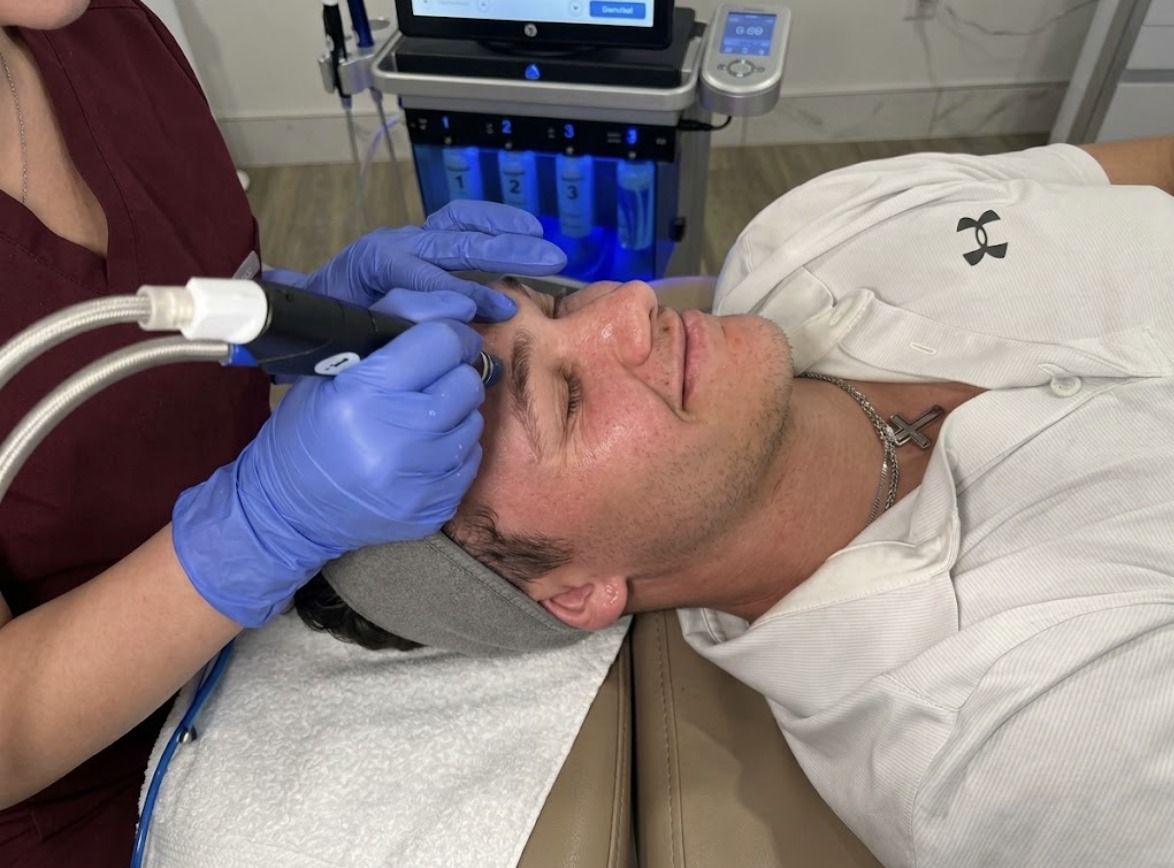
Dryness, dullness, rough texture, and clogged pores can change how your skin looks, even when you are consistent with at-home skincare. Makeup may settle differently, fine lines can look more noticeable, and your complexion may lose some of the smooth, refreshed appearance you want.
A HydraFacial treatment offers a gentler approach to professional skin resurfacing by combining cleansing, exfoliation, extraction, and hydration in one appointment. Instead of focusing on aggressive peeling, it removes surface buildup while delivering hydrating solutions back to the skin.
At Southern Oregon Medical Aesthetics in Grants Pass, we approach HydraFacial as part of a personalized skin plan. The goal is refreshed, natural-looking skin, with treatment choices based on what your skin actually needs.
What You'll Learn From This Article
- How a HydraFacial cleanses, exfoliates, extracts, and hydrates
- Which concerns it may help, including dryness, congestion, and fine lines
- What the treatment feels like and how much downtime to expect
- How HydraFacial may be adjusted for different skin types
- When another treatment may be a better match for your goals
Understanding what HydraFacial does starts with knowing how it differs from a standard facial.
What Is a HydraFacial Treatment?
HydraFacial is a type of hydradermabrasion. It combines controlled exfoliation with fluid delivery and suction to cleanse the skin, loosen surface debris, and apply hydrating serums.
A traditional spa facial may include cleansing, topical products, massage, and manual extractions. HydraFacial adds a device-based resurfacing process that allows exfoliation, suction, and serum delivery to happen in a controlled sequence.
A 2024 study published in Skin Research and Technology examined skin changes after hydradermabrasion. Researchers observed changes in the skin's outer layer, including reduced stratum corneum thickness and a smoother surface appearance after treatment. The study included only eight participants, so its findings are useful but should be interpreted with appropriate caution.
Think of HydraFacial as a surface-focused skin treatment. It can support smoother texture and hydration, but it is not intended to replace procedures designed for significant skin laxity, deep wrinkles, or other concerns involving deeper tissue.
The treatment becomes easier to understand when you consider each step separately.
How Does a HydraFacial Work?
A HydraFacial appointment usually moves through several stages. The exact products, suction level, number of passes, and booster selection may change based on your skin and treatment goals.
Cleanse and Exfoliate
The first step removes surface oil, makeup residue, and accumulated dead skin cells.
Exfoliation helps loosen buildup that can make the skin feel rough or appear dull. It also prepares the surface for extraction and hydration. HydraFacial does not rely on aggressive scrubbing. Instead, the device moves across the skin in a controlled way while cleansing and resurfacing the outermost layers.
A review of microdermabrasion and hydradermabrasion techniques notes that hydradermabrasion differs from traditional microdermabrasion because it can combine exfoliation with the application of hydrating solutions. This helps explain why people often choose the treatment when they want skin resurfacing without the dry feeling sometimes associated with more abrasive procedures.
Loosen and Extract Pore Debris
After exfoliation, the device uses controlled suction to help remove loosened oil and debris from pores.
This can help if congestion or enlarged-looking pores are part of your concern. Still, adjust the suction thoughtfully. Stronger suction is not automatically better, especially around sensitive or reactive areas.
HydraFacial can help clear existing debris, but it cannot permanently change pore size. Genetics, oil production, sun exposure, skin elasticity, and age can all influence how noticeable pores look.
Hydrate With Serums and Boosters
Hydration is one of the defining steps of HydraFacial.
After cleansing and exfoliation, the treatment system applies hydrating solutions. Depending on the protocol, the treatment may include ingredients such as hyaluronic acid, antioxidants, or a selected booster.
Hyaluronic acid attracts and holds water, which makes it a common ingredient in topical skincare products designed to support hydration. A booster may also be selected based on concerns such as dryness, dullness, or overall skin maintenance.
Each stage serves a different purpose, but together they explain why one appointment can address several surface concerns at once.
6 Potential Benefits of HydraFacial for Your Skin
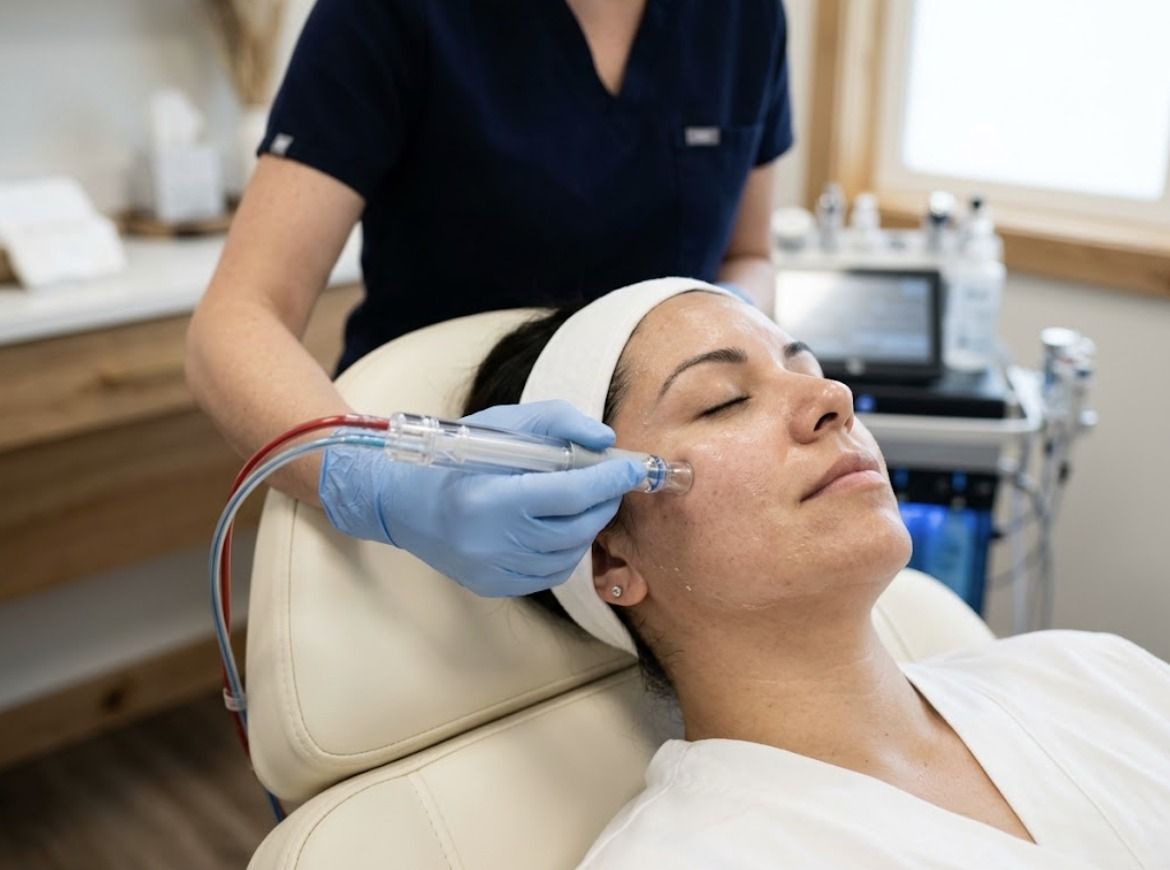
HydraFacial is often used for maintenance and surface improvement rather than dramatic correction. Results vary by person, but several reasons may lead someone to consider the treatment.
1. Helps Hydrate Dry or Dehydrated Skin
Dehydrated skin can look dull, feel tight, and make fine lines appear more noticeable.
HydraFacial delivers hydrating solutions after exfoliation and extraction, which may leave the skin feeling softer and looking smoother. Better surface hydration can also improve how light reflects from the skin, contributing to a fresher appearance.
Hydration does not correct every cause of chronic dryness, so ongoing dryness may still require skincare changes or further evaluation.
2. Removes Dead Skin Cells and Surface Buildup
Dead skin cells naturally accumulate on the surface. When buildup becomes noticeable, skin can appear uneven or rough.
Controlled exfoliation removes some of this surface material and may help the skin feel smoother without the intensity of deeper resurfacing.
3. Helps Clear Congested Pores
Oil, dead skin cells, and debris can collect inside pores.
The suction step helps remove loosened material after cleansing and exfoliation. This may make HydraFacial appealing if congestion is one of your main skincare concerns.
Keep expectations realistic. The treatment may clean out pores, but it does not permanently prevent them from becoming congested again.
4. May Soften the Appearance of Fine Lines
Hydration can temporarily make fine surface lines appear less noticeable, and exfoliation may improve the smoothness of the outer skin.
A small clinical study has also reported improvements in visible fine lines after hydradermabrasion. That does not mean the treatment erases wrinkles or produces the same type of effect as treatments intended for deeper lines.
Fine lines and wrinkles related to volume loss, repetitive facial movement, or more significant collagen changes may need a different plan.
5. May Support More Even-Looking Skin Tone
Removing dull surface buildup can help skin look brighter and more even.
Consider HydraFacial if mild discoloration or uneven tone is part of the concern. However, hyperpigmentation can have many causes. Sun spots, melasma, post-inflammatory pigmentation, and deeper pigment changes don't all respond the same way.
A small 2008 study of hydradermabrasion reported improvements in hyperpigmentation and several other skin measures after six treatments. Because the study involved only 20 women and repeated sessions, those findings should not be treated as a promise of results from one appointment.
6. Usually Involves Limited Downtime
Many people choose HydraFacial because they want skin maintenance without a long recovery period.
Mild redness or sensitivity can still occur, especially with stronger treatment settings. Your skin type, sensitivity, and treatment intensity all affect how your skin responds.
That balance between visible skin refreshment and limited recovery is one reason HydraFacial can fit well into a regular skincare plan.
Is HydraFacial Suitable for Different Skin Types?
HydraFacial can often be adjusted for dry, oily, mature, congested, and sensitive skin. Customization matters because skin concerns rarely look the same from one person to another.
Someone with dry skin may need a greater focus on hydration. A person with oily or congested skin may benefit from more attention around the pores. Sensitive skin may require lighter suction, fewer passes, or different solutions.
Being able to tolerate HydraFacial in general does not mean every product, booster, or treatment setting will be appropriate for you.
Tell your provider about current skincare products, recent procedures, medications, active irritation, and known skin conditions before treatment. If your skin is inflamed or compromised, your provider may recommend delaying the appointment or choosing another option.
Once your provider confirms you're a good fit, you'll want to know what the visit will look like.
What to Expect During and After a HydraFacial
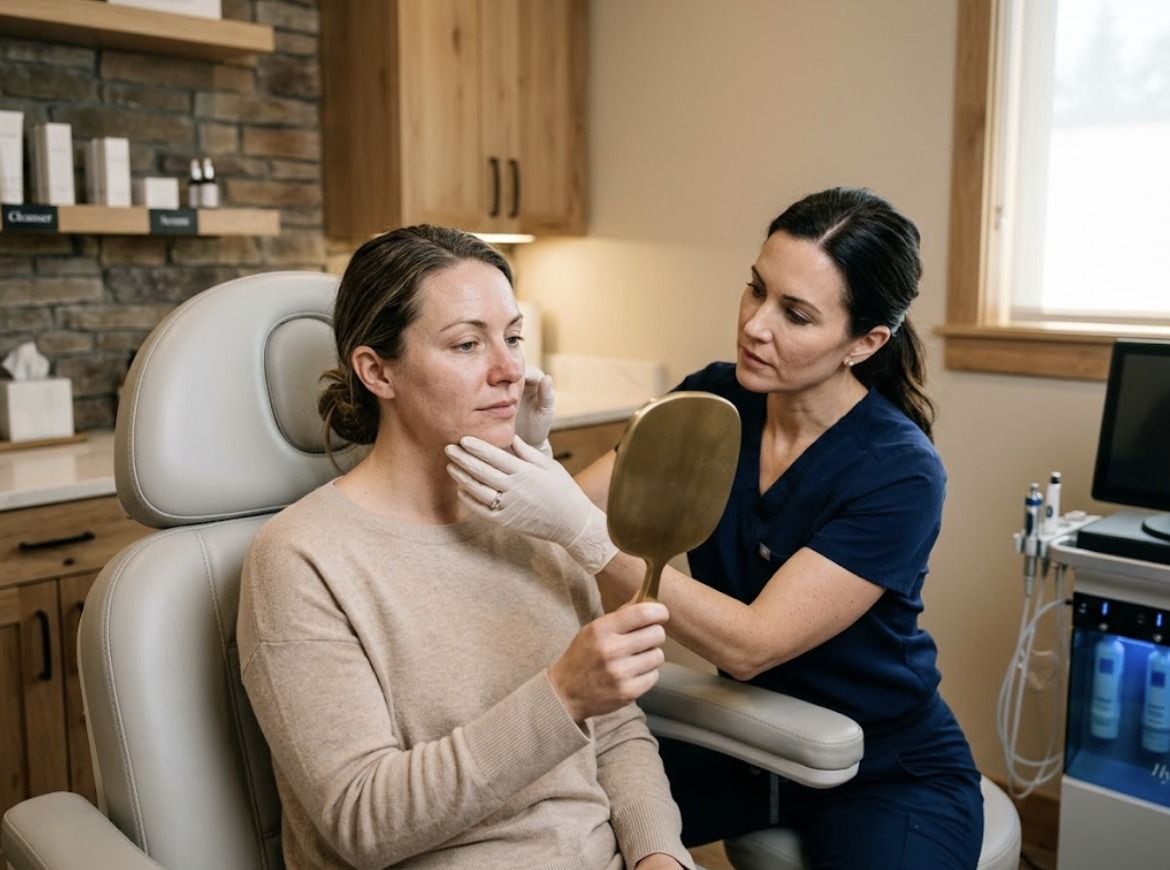
A thoughtful HydraFacial appointment should begin with a conversation about what bothers you most about your skin.
That may include dryness, texture, congestion, dullness, visible pores, fine lines, or general maintenance. Your provider can then adjust the treatment instead of following the exact same protocol for everyone.
The main stages usually look like this:
| Treatment Stage | What Happens | What You May Notice |
|---|---|---|
| Cleansing and exfoliation | Surface debris and dead skin cells are loosened | A light resurfacing sensation |
| Extraction | Controlled suction removes loosened pore debris | Gentle pulling or suction |
| Hydration | Serums and hydrating ingredients are applied | Skin may feel softer and more hydrated |
| Aftercare | Your provider reviews skincare instructions | Temporary redness or sensitivity may occur |
HydraFacial is often described as comfortable, but every person's sensitivity is different. It is more accurate to expect a series of cleansing and suction sensations than to assume you will feel nothing.
After treatment, your skin may look smoother or more hydrated. Mild redness can occur and usually depends on treatment intensity and individual sensitivity.
Follow the aftercare instructions your provider gives. Gentle skincare and consistent sun protection are often appropriate after exfoliating procedures.
If you have a wedding, vacation, photo session, or another important event coming up, it can still be helpful to schedule with enough time for your skin to settle.
Knowing what HydraFacial can do is useful, but knowing its limits can help you choose the right treatment.
HydraFacial Results: What It Can and Cannot Do
HydraFacial may be a good fit when your main goal is to improve the appearance of the skin's surface.
It may help with:
- Dehydrated-looking skin
- Dull surface buildup
- Mild roughness
- Congested pores
- Uneven-looking texture
- Superficial fine lines
- Routine skin maintenance
It is not designed to correct every sign of skin aging.
Deep wrinkles, significant skin laxity, pronounced acne scars, substantial facial volume loss, or persistent pigmentation may require treatments that work differently or reach deeper skin layers.
Claims about collagen also need context. HydraFacial is sometimes discussed online as a collagen treatment, but current evidence does not support presenting a single HydraFacial session as a major collagen-building procedure.
If collagen support, skin tightening, or deeper resurfacing is your primary goal, another treatment may be more appropriate. That's why treatment planning should start with your concern, not the name of a popular procedure.
Why Personalizing Your HydraFacial Matters
Two people can request a HydraFacial and need very different approaches.
One person may want hydrated, radiant-looking skin before an event. Another may be more focused on clogged pores. Someone in their 30s may be building a regular skincare plan, while a mature client may be deciding how HydraFacial fits alongside treatments for skin tightening, wrinkles, or texture.
At Southern Oregon Medical Aesthetics, we believe that treatment should fit the person, not the other way around.
We can select HydraFacial settings, suction, serums, and boosters with your skin and priorities in mind. If HydraFacial is unlikely to address the concern that matters most to you, an honest consultation gives us the opportunity to discuss other options.
This is especially important if your long term plan includes treatments for skin tightening, pigmentation, deeper texture concerns, facial aging, or collagen support.
The right question isn't whether HydraFacial is popular. It is whether it makes sense for your skin right now.
HydraFacial Treatment in Grants Pass: Is It Right for Your Skin?

HydraFacial combines cleansing, exfoliation, suction-based extraction, and hydration in one treatment. It may help with dryness, dullness, congested pores, rough surface texture, and some superficial fine lines.
It also offers a practical option for people who want professional skin maintenance without committing to the recovery associated with deeper resurfacing procedures.
Results vary, and published research on hydradermabrasion remains limited. Small studies have reported improvements in several skin measures, but no facial treatment should be presented as a guaranteed solution.
A consultation can help separate concerns that HydraFacial may reasonably address from concerns that need a different approach.
Frequently Asked Questions About HydraFacial
1. What does a HydraFacial treatment do?
Describe the item or answer the question so that site visitors who are interested get more information. YA HydraFacial treatment cleanses and exfoliates the skin, uses controlled suction to remove loosened pore debris, and delivers hydrating solutions to the surface.
People commonly seek it for concerns such as dryness, dullness, mild texture, congestion, and general skincare maintenance.ou can emphasize this text with bullets, italics or bold, and add links.
2. Is a HydraFacial treatment good for dry skin?
It may be a good option for dehydrated-looking skin because the treatment process includes hydration.
Depending on the protocol, it may include ingredients such as hyaluronic acid. If your skin remains persistently dry, however, HydraFacial should not replace appropriate skincare or medical evaluation when needed.
3. Can HydraFacial help with fine lines and wrinkles?
Hydration and exfoliation may make superficial fine lines look softer, and the skin appear smoother.
HydraFacial is less likely to make a meaningful difference in deep wrinkles caused by structural aging, volume loss, or repeated facial movement. Those concerns may require other treatment options.
4. Is HydraFacial suitable for sensitive skin?
Many people with sensitive skin may still be candidates, but the treatment should be adjusted to the individual.
Your provider may use lighter suction, change the number of passes, or select different products. Active irritation or certain skin conditions may mean you should postpone treatment.
5. How much downtime should I expect after HydraFacial?
HydraFacial generally involves less downtime than deeper resurfacing treatments. Some people experience little visible reaction, while others may notice temporary redness or sensitivity.
Your response depends on your skin type, treatment intensity, and the products used.
A HydraFacial can be a useful part of a thoughtful skin maintenance plan when its strengths match what you want to improve. If you are considering HydraFacial treatment in Grants Pass, request an appointment with Southern Oregon Medical Aesthetics. We can talk through your skin concerns and help you decide on a personalized next step that feels right for you.

Joyce Solar
RN - Cofounder/Master Injector
Joyce Solar, RN, is the cofounder and Master Injector at Southern Oregon Medical Aesthetics Center with over 20 years of experience in medical aesthetics. She is an Ultherapy specialist and national clinical educator known for her expertise in facial aesthetic injectables.