Pigment Treatment in Grants Pass, OR – Get Clear, Even Skin

Joyce Solar
RN - Cofounder/Master Injector
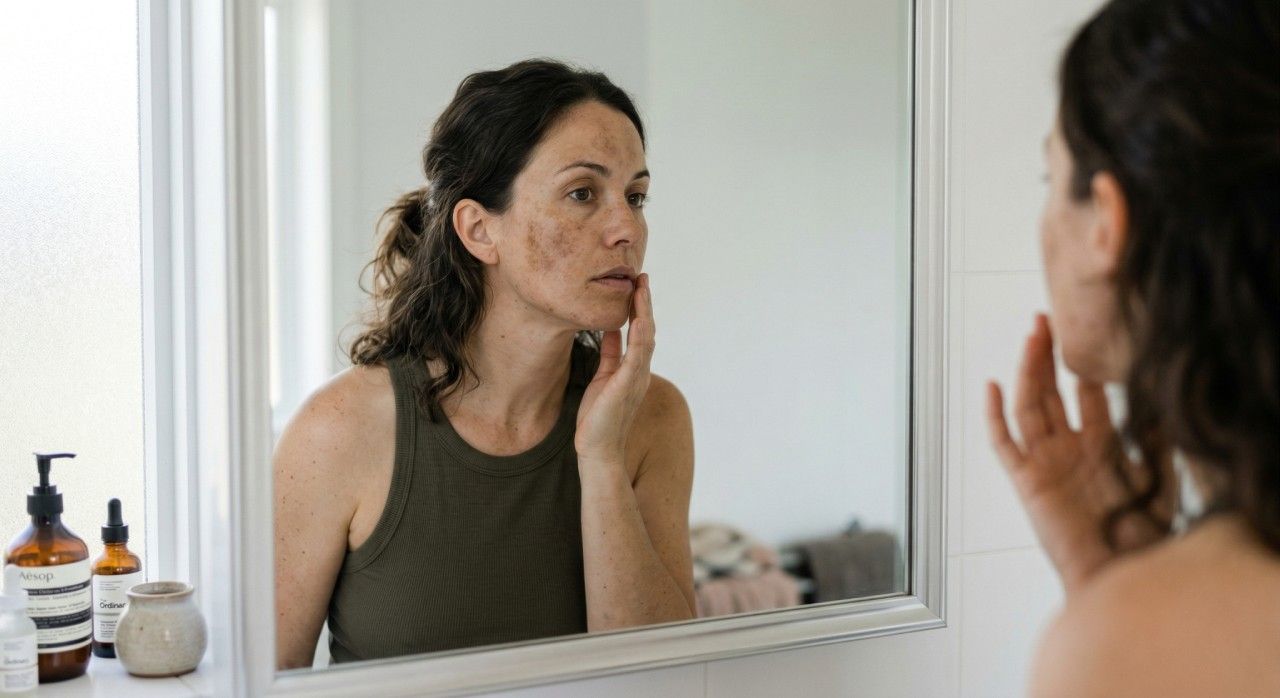
Hyperpigmentation, dark spots, and melasma are more common than most people think, especially with regular sun exposure here in Grants Pass, OR. The frustrating part is trying product after product and not knowing what is actually working, or if anything is.
Here is the truth. Treating hyperpigmentation is not about using random creams or hoping something sticks. It comes down to understanding the cause of your hyperpigmentation and how deep the pigment sits in the skin.
At Southern Oregon Medical Aesthetics, treatments are designed to target excess melanin directly, using advanced laser options and a personalized approach to help even out your skin tone. No guessing, just a plan that actually makes sense.
📋What You’ll Learn From This Article
Before you spend more money on products that may or may not work, it helps to understand what is actually going on with your skin and what your real options are.
Here’s what this guide will break down for you:
- What hyperpigmentation really is, and why your skin produces excess melanin
- The different types of pigment issues like melasma, sunspots, and post-inflammatory hyperpigmentation
- The most common causes, including sun exposure, acne, and hormonal changes
- Why some dark spots fade while others seem to stay forever
- When topical treatments like hydroquinone, tretinoin, or chemical peels are enough, and when they are not
- How laser and light therapy actually works to target pigment at a deeper level
- What to expect before, during, and after treatment, including healing and downtime
- The best ways to protect your skin and prevent pigmentation from coming back, including proper SPF use
- How to choose the right treatment plan based on your skin type and condition, instead of guessing
By the end, you should have a clear idea of what is causing those spots on your skin and what steps actually make sense to fix them.
What Is Hyperpigmentation and Why Does It Happen?
Hyperpigmentation is a common skin condition. It happens when your skin produces extra melanin, the pigment that gives your skin its color.
Understanding How Pigment Forms in the Skin
Your skin makes melanin to protect itself from ultraviolet light. This is a normal process. But sometimes your skin produces too much melanin in certain areas.
That leads to:
- Dark spots on your skin
- Uneven skin tone
- Spots or patches that look darker than the surrounding skin
According to the Cleveland Clinic, hyperpigmentation occurs when excess melanin builds up in the skin and causes visible discoloration.
Important: The deeper the melanin pigment sits in your skin cells, the harder it is to treat.
The Most Common Causes of Uneven Skin Tone
Now, let’s get into what actually causes this. Most cases come from repeated triggers over time.
Common causes include:
- Sun exposure and UV light
- Hormonal changes, often linked to melasma
- Acne and post-inflammatory hyperpigmentation
- Aging
- Skin irritation or injury
In some cases, pigmentation can be linked to underlying medical conditions or certain medications, but that is less common.
Understanding the cause of your hyperpigmentation is what helps guide the right treatment plan.
Why Some Dark Spots Fade and Others Do Not
Some dark spots fade over time, but others seem to stay no matter what you try. The difference usually comes down to a few key factors.
What affects this includes:
- Depth of pigment in the skin
- Ongoing triggers like sun exposure
- Your skin type and how your skin responds
If pigment sits deeper in the skin, it takes more than basic creams or skin care products to improve it. And if your skin keeps producing melanin, those spots will continue to come back.
That is when a professional hyperpigmentation treatment becomes the better option.
The Different Types of Pigmentation Concerns
Not all pigmentation is the same. Knowing the type helps guide the right treatment plan.
Sunspots and Age Spots
Let’s start with the most common. Age spots, also called liver spots, come from long-term sun damage.
You will usually see them on:
- Face
- Chest
- Hands
The Mayo Clinic notes that these spots or liver spots are harmless but often treated to improve appearance.
These respond well to laser and light therapy because they are more superficial.
Melasma
Melasma looks different. It shows up as larger dark patches, often on the cheeks or forehead.
Before choosing a treatment option, you need to understand this. Melasma is linked to hormones and heat.
Common triggers:
- Pregnancy
- Birth control
- Sun exposure and heat
The American Academy of Dermatology explains that melasma needs careful treatment. Aggressive laser therapy may make it worse if not done properly.
Post-Inflammatory Hyperpigmentation
If you have had acne, you probably know this one. A breakout heals, but leaves behind dark marks.
This is called post-inflammatory hyperpigmentation.
It is common in:
- Acne-prone skin
- Oily or sensitive skin
- Skin that experiences irritation
Treating acne and hyperpigmentation together usually gives better results.
Freckles, Uneven Tone, and Other Discoloration
Freckles and mild pigmentation may seem minor. Still, they can affect how your skin looks overall.
If your goal is to even out your skin tone, professional treatment can help speed up results.
When to Consider Professional Pigment Treatment in Grants Pass, OR
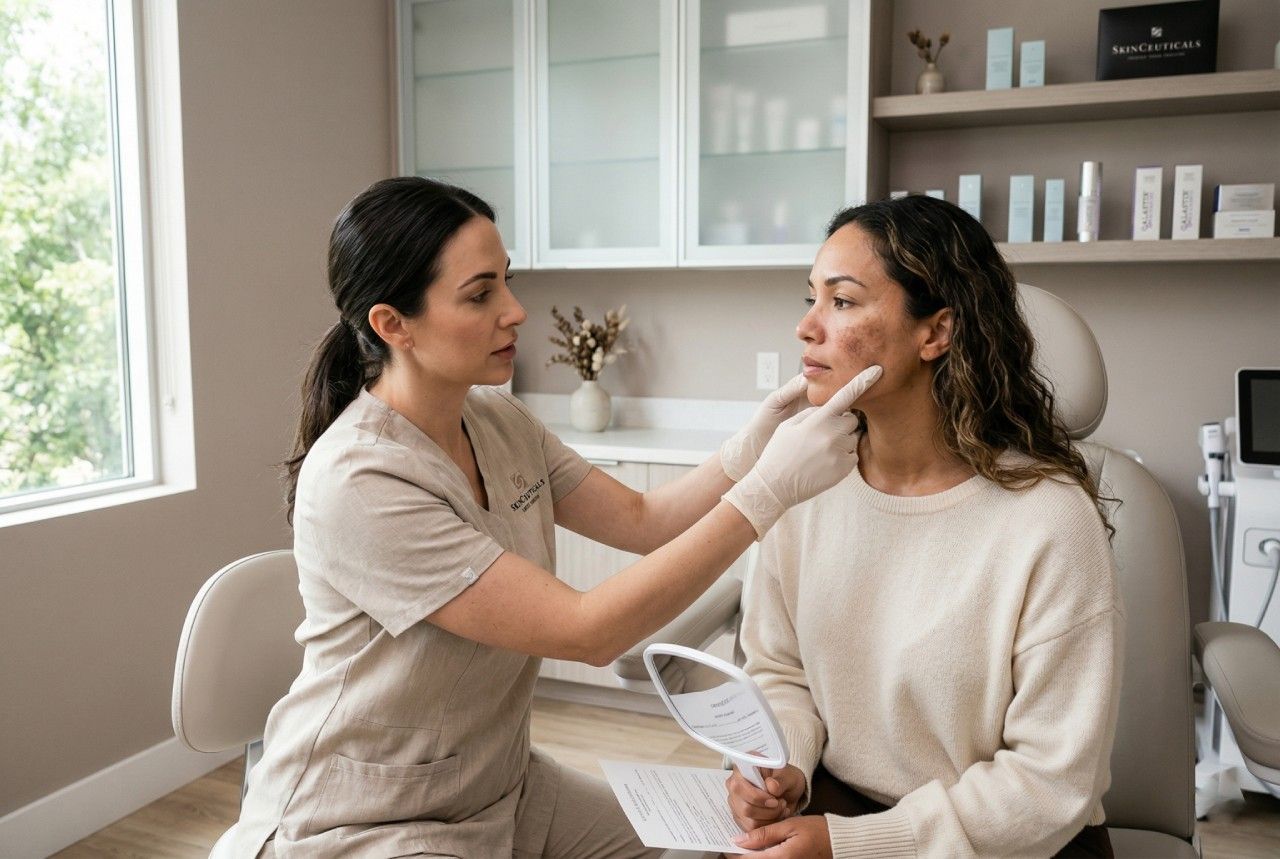
At some point, most people realize their current routine is not enough.
Signs Over-the-Counter Products Are Not Enough
You might already be using:
- Hydroquinone cream
- Tretinoin
- Kojic acid
- Glycolic acid
These are common topical therapies and often a first-line treatment.
But if you notice:
- No improvement after months
- Dark patches getting darker
- New discoloration forming
Then topical treatments alone may not be enough.
When Pigmentation Starts Affecting Confidence
This part matters more than people admit. It’s not just about your skin, it’s how you feel when you look in the mirror.
It usually shows up in small ways:
- Your skin starts to look older than it should
- You rely on makeup every day to cover dark spots
- Going bare skin just doesn’t feel comfortable anymore
That is usually the turning point. That’s when patients come in and say, “Okay, I need something that actually works.”
Why Early Treatment Can Make a Difference
The longer the pigment sits, the more stubborn it becomes.
Early treatment can:
- Reduce how many sessions you need
- Prevent deeper pigment buildup
- Improve results overall
How Pigment Treatment Works at Southern Oregon Medical Aesthetics
Treatment is not random. There is a process behind it.
Why a Personalized Consultation Comes First
Before anything, we evaluate your skin.
We look at:
- Type of hyperpigmentation
- Skin tone and sensitivity
- Medical history
This helps us understand the cause of your hyperpigmentation.
Laser Options for Pigment Treatment at SOMA
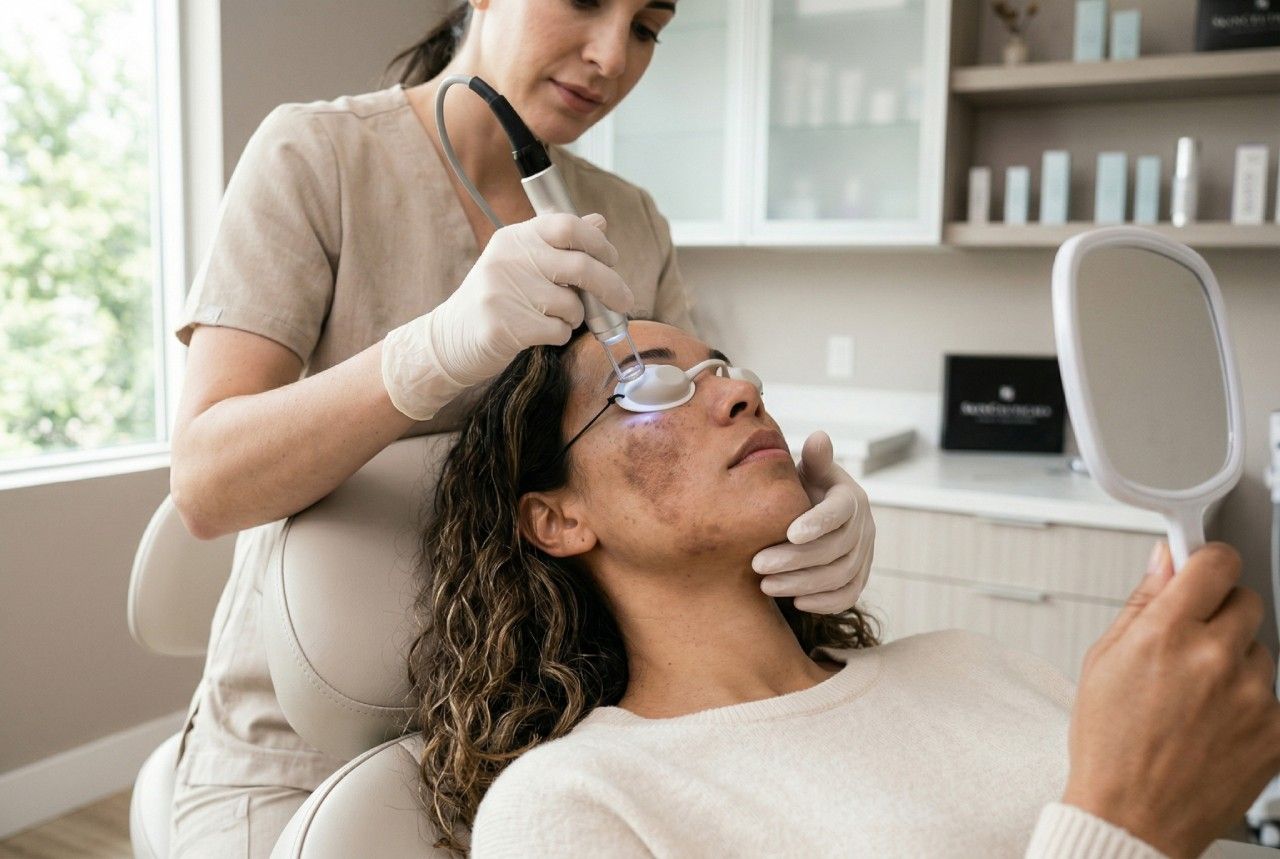
Now let’s talk about how we actually treat hyperpigmentation.
M22
M22 is a light therapy device that targets pigment directly.
It works by:
- Breaking down excess melanin
- Allowing your body to clear it naturally
Best for:
- Sunspots
- Mild discoloration
- Uneven skin tone
You may see dark spots get darker before they fade. That is part of the process.
Fractionated CO2 for Skin Resurfacing and Pigment Improvement
This is a deeper treatment. It is an ablative laser, which means it removes damaged layers of skin.
It helps with:
- Pigmentation concerns
- Acne scars
- Fine lines
It also stimulates new skin, which improves overall skin texture.
Why Device Choice Matters for Safety
Choosing the wrong laser can cause problems.
Risks include:
- Skin irritation
- Burns
- Worsening pigmentation
This is especially important for people with darker skin tones, where pigment changes can happen more easily.
Hyperpigmentation Treatment Options Comparison
| Treatment Option | Best For | Depth Treated | Downtime | Notes |
|---|---|---|---|---|
| Topical treatments (hydroquinone, tretinoin) | Mild pigmentation, early stages | Superficial | None | First-line treatment |
| Chemical peel (glycolic acid) | Mild to moderate discoloration | Superficial to medium | Mild peeling | Helps exfoliate your skin |
| Laser and light therapy (M22) | Sunspots, uneven tone | Superficial | Minimal | Targets melanin directly |
| Fractionated CO2 laser | Deeper pigment, acne scars | Deep | Moderate | Skin resurfacing promotes new skin |
What to Expect Before, During, and After Pigment Treatment
Knowing what to expect helps you feel more prepared.
Preparing for Your Appointment
Before treatment, you should:
- Avoid sun exposure
- Use sunscreen with a strong SPF
- Avoid certain products before treatment
This helps protect your skin.
What Treatment Feels Like
Most patients describe it as:
- A quick snapping sensation
- Mild heat
Sessions are usually quick and manageable.
What Recovery Looks Like
After treatment, you may notice:
- Redness
- Darkening of spots
- Mild peeling
Sun protection is critical. Use sunscreen with iron oxide or broad-spectrum SPF to protect your results.
Results, Maintenance, and How Many Sessions You May Need
Results take time, but they are worth it.
When You May Start Seeing Improvement
Pigment usually:
- Darkens first
- Then flakes off
- Leaves clearer skin
You may start seeing improvement after one session, but results build over time.
Why Multiple Treatments Are Sometimes Needed
It depends on the type of hyperpigmentation.
Factors include:
- Depth of pigment
- Skin type
- Severity
Most patients need a series of treatments.
Maintaining Clearer Skin
To maintain results:
- Use daily sun protection
- Follow recommended skin care
- Avoid excessive UV light
Who Is a Good Candidate for Pigment Treatment?
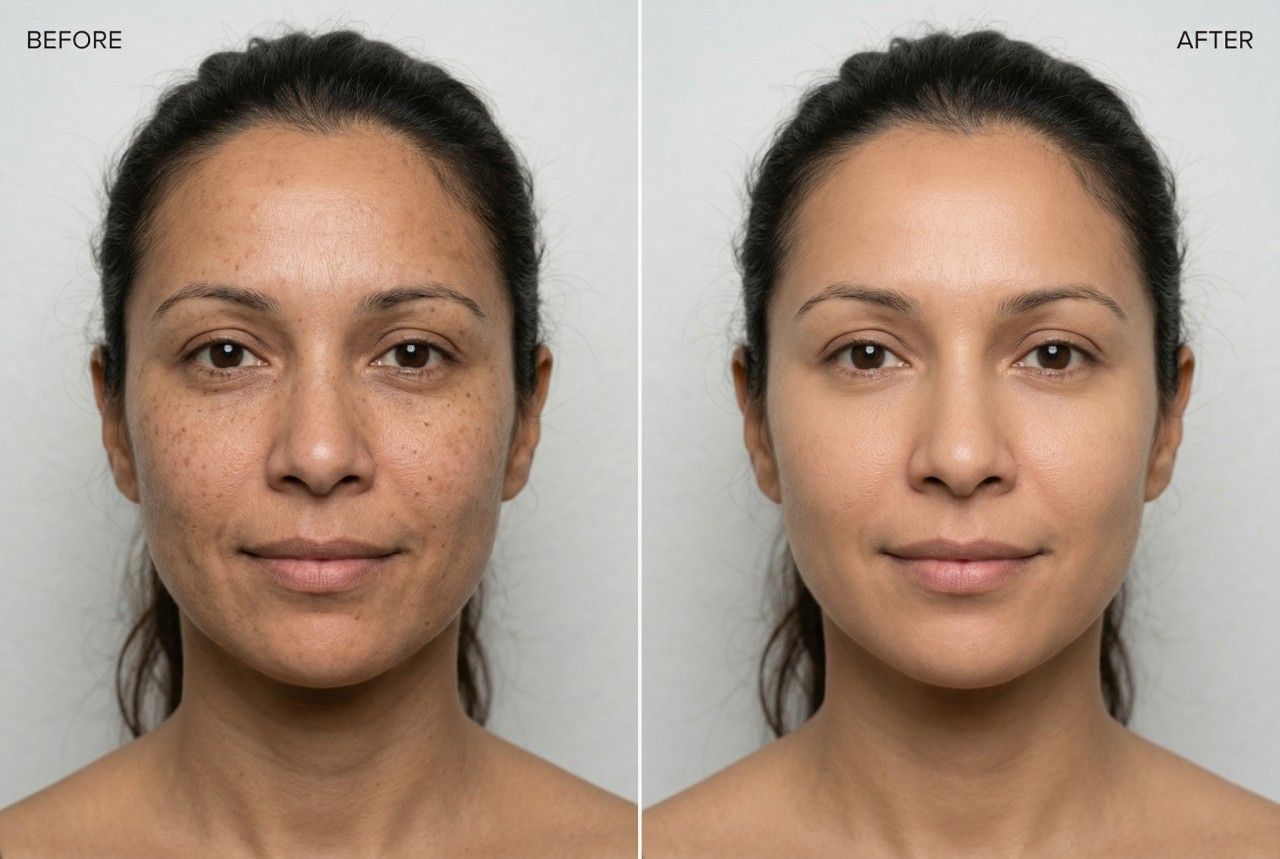
Not everyone is treated the same way.
Ideal Candidates
You are a good candidate if you:
- Have dark spots or discoloration
- Want to treat hyperpigmentation
- Follow aftercare instructions
When Extra Caution Is Needed
We take extra care if you have:
- Melasma
- Sensitive skin
- Darker skin tones
- Recent sun exposure
Why an In-Person Assessment Matters
Some spots may need further evaluation. In certain cases, your provider may recommend a skin biopsy to rule out serious conditions like skin cancer.
Risks, Safety, and Why Experience Matters
Safety should always come first.
Potential Side Effects
You may experience:
- Redness
- Swelling
- Temporary darkening
- Mild irritation
These are usually temporary.
The Importance of Proper Technique
Laser therapy requires precision. Incorrect treatment can worsen pigment.
That is why provider experience matters.
How SOMA Prioritizes Safety
At SOMA, we focus on:
- Proper treatment settings
- Customized plans
- Follow-up care
Frequently Askes Questions
What is the best hyperpigmentation treatment in Grants Pass, OR?
The best treatment depends on the type of hyperpigmentation and your skin type. Some patients respond to topical treatments. Others need laser therapy for better results.
Does laser therapy work for dark spots?
Yes. Laser and light therapy are effective in treating sunspots, age spots, and certain pigment conditions.
Can melasma be treated safely?
Yes, but it requires a careful approach. We often combine topical therapies with gentle treatments instead of aggressive lasers.
Is hyperpigmentation more common in darker skin tones?
Yes. People with darker skin produce more melanin, which increases the risk of post-inflammatory hyperpigmentation.
How can I prevent hyperpigmentation from coming back?
Use daily sunscreen, avoid excessive sun exposure, and follow a consistent skin care routine.
Conclusion
Hyperpigmentation is a common skin condition, but it does not mean you have to live with it. The key is choosing the right treatment based on your skin and the cause behind the pigment.
At Southern Oregon Medical Aesthetics in Grants Pass, OR, you get a treatment plan that actually makes sense. No guesswork, no wasted time.
If you are ready to treat hyperpigmentation and finally even out your skin tone, schedule a consultation and take the first step toward clearer skin.

Joyce Solar
RN - Cofounder/Master Injector
Joyce Solar, RN, is the cofounder and Master Injector at Southern Oregon Medical Aesthetics Center with over 20 years of experience in medical aesthetics. She is an Ultherapy specialist and national clinical educator known for her expertise in facial aesthetic injectables.