Medical Weight Loss in Grants Pass, OR: Safe, Supervised Weight Management

Joyce Solar
RN - Cofounder/Master Injector
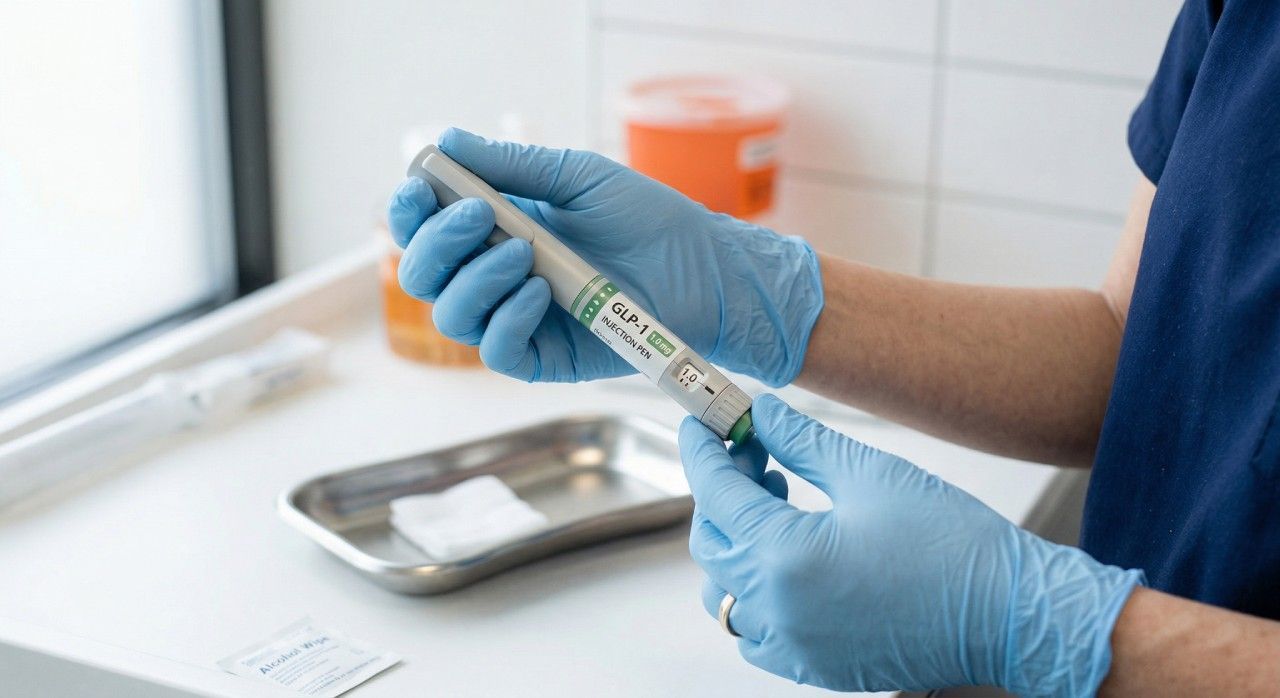
You cut calories. You try new diets. You hit the gym harder than ever. Still, the scale barely moves. Or worse, the weight comes right back.
That’s the problem most people face when trying to lose weight on their own. Your body is not broken, but it is complex. Hormones, metabolism, and even sleep can work against you. That’s why so many people in Grants Pass are turning to medical weight loss for real answers.
At Southern Oregon Medical Aesthetics (SOMA), we approach weight loss differently. We look at your medical history, body weight, BMI, and lifestyle habits to create a plan that actually works. Not guesswork. Not trends. Just science and support that help you lose weight safely and maintain it.
In this guide, I’ll walk you through how medical weight loss works, how your body burns fat, and what you can do to finally see results that last.
📋What You’ll Learn About Medical Weight Loss in Grants Pass
Before you try another diet or workout plan, here’s what you’ll walk away with after reading this guide:
- Why traditional dieting often fails and what’s really stopping you from losing weight
- How medical weight loss programs use science to help you burn fat more effectively
- The role of hormones, metabolism, and BMI in your weight loss journey
- How GLP-1 medications like semaglutide and tirzepatide can support fat loss
- What a safe and realistic weight loss timeline actually looks like
- The most effective nutrition and lifestyle changes for sustainable results
- How to avoid weight regain and keep the weight off long-term
- What to expect from a medical weight loss clinic in Grants Pass
- How to build a plan that fits your life so you can lose weight and maintain it
Keep reading, because once you understand how your body actually works, everything starts to make more sense.
What Is Medically Supervised Weight Loss?
Medical weight loss is not just another diet. It is a structured, supervised program designed by a health care professional to help you safely reach your weight-loss goals.
You are not left guessing what to eat or how to exercise. Instead, you follow a personalized plan based on your body and your health conditions.
Medical Weight Loss vs. Traditional Dieting: Why Supervision Matters
Let’s be honest. Most traditional diets fail because they ignore your biology.
- DIY dieting focuses on restriction
- Medical weight loss focuses on why you gained weight in the first place
A medical weight-loss program uses evidence-based strategies supported by organizations such as the CDC. You get guidance from a trained care team, not internet advice.
Comparison: Medical Weight Loss vs Traditional Dieting
| Feature | Medical Weight Loss | Traditional Dieting |
|---|---|---|
| Supervision | Doctor-led care team | Self-directed |
| Personalization | Based on labs and health history | Generic plans |
| Medications | FDA-approved options available | None |
| Results | Sustainable weight loss | Often temporary |
| Risk | Monitored for safety | Higher risk of failure |
What’s Included in a Medical Weight Loss Program
Every program at a trusted medical weight loss clinic should include:
- Full health history review
- Lab testing for cholesterol, blood sugar, and hormones
- BMI and body mass index analysis
- Customized treatment plan
- Ongoing check-ins and adjustments
This approach helps identify what may be affecting your weight, from insulin resistance to thyroid issues.
Who Should Consider Medical Weight Loss?
You may be a good candidate if you:
- Have a BMI over 30, or over 27 with conditions like high blood pressure or type 2 diabetes
- Struggle with weight regain after dieting
- Being overweight and obesity that impacts your health
If you feel stuck, there is usually a medical reason behind it.
How Your Body Burns Fat (And Why It Sometimes Doesn’t)

Before you can burn fat fast, you need to understand how your body actually works. Most people miss this part.
Calories, Metabolism, and Energy Balance
Fat loss starts with a calorie deficit. That means your body burns more energy than it takes in.
But here’s the catch. Your metabolism adapts. If you eat too little, your body slows down to conserve energy. This is why crash diets often fail.
The National Institute of Diabetes and Digestive and Kidney Diseases explains that metabolism plays a major role in long-term weight management.
Hormones That Control Weight Gain and Fat Loss
Your hormones control hunger, fat storage, and energy use. The big ones include:
- Insulin, which stores fat
- Leptin, which signals fullness
- Ghrelin, which triggers hunger
If these are out of balance, you may feel hungry all the time or unable to lose weight even with strict dieting.
Why Fast Weight Loss Is Hard Without Medical Help
Trying to burn fat quickly without guidance often leads to:
- Muscle loss instead of fat loss
- Slower metabolism
- Increased cravings
That’s why medically supervised programs focus on sustainable weight loss, not just fast results.
Medical Weight Loss Treatments, Including GLP-1 Weight Loss Injections
Now let’s talk about what actually works. Medical treatments can support your body instead of fighting against it.
Prescription Weight Loss Medications: Semaglutide and Tirzepatide
Many patients benefit from weight loss medications that are approved by the FDA. These include:
- Semaglutide
- Tirzepatide (developed by Eli Lilly and Company)
These medications belong to a class called GLP-1 receptor agonists. They help:
- Reduce appetite
- Improve blood sugar control
- Support fat loss
According to the Cleveland Clinic, these medications can significantly improve outcomes when combined with lifestyle changes.
Important: These are prescription weight-loss drugs, so you should always talk with your health care provider before starting.
Lipotropic Injections, B12, and Metabolic Support
Lipotropic injections can support fat metabolism and energy levels. They often include:
- Vitamin B12
- Amino acids that help break down fat
These are not magic solutions, but they can support your weight loss journey.
Hormone Imbalances That Can Affect Weight Loss
Sometimes, a medical issue like low thyroid function or hormone imbalance is the reason you cannot lose weight.
Addressing these issues can improve:
- Energy levels
- Fat burning
- Overall health
Nutrition Strategies That Actually Work for Weight Loss

Food still matters. A lot. But it needs to be the right approach.
Medical Nutrition Therapy (MNT)
Medical Nutrition Therapy focuses on creating a plan that fits your body and your life. According to Johns Hopkins Medicine, personalized nutrition improves long-term success.
Safe Calorie Reduction
A moderate calorie deficit works best. Not an extreme restriction.
- Aim for a 500 to 750-calorie deficit per day
- Focus on consistency
Crash dieting often leads to weight regain.
Best Foods for Fat Loss
Focus on:
- High-protein meals
- Low-glycemic carbohydrates
- Healthy fats
- Proper hydration
These support healthy lifestyle habits and better energy.
Exercise That Supports Fat Loss Without Burning You Out
Exercise should help your progress, not exhaust you.
Cardio vs Strength Training
Both play a role:
- Cardio burns calories
- Strength training builds muscle and boosts metabolism
You need both for real results.
HIIT for Faster Results
High-intensity interval training helps you burn more calories in less time. It also creates an afterburn effect, where your body continues to burn calories after your workout.
Daily Movement Matters More Than You Think
Simple habits like walking more or standing more increase daily calorie burn. This helps prevent plateaus.
Lifestyle Habits That Make or Break Your Weight Loss
Fat loss is not just about food and workouts.
- Sleep and Weight Loss - Poor sleep increases hunger hormones. You will crave more food and burn fewer calories.
- Stress and Cortisol - Chronic stress raises cortisol, which leads to fat storage, especially around the abdomen.
- Accountability and Support - You are more likely to succeed with guidance and support. That’s why medical programs include regular check-ins.
The SOMA Difference: Medical Weight Loss in Grants Pass
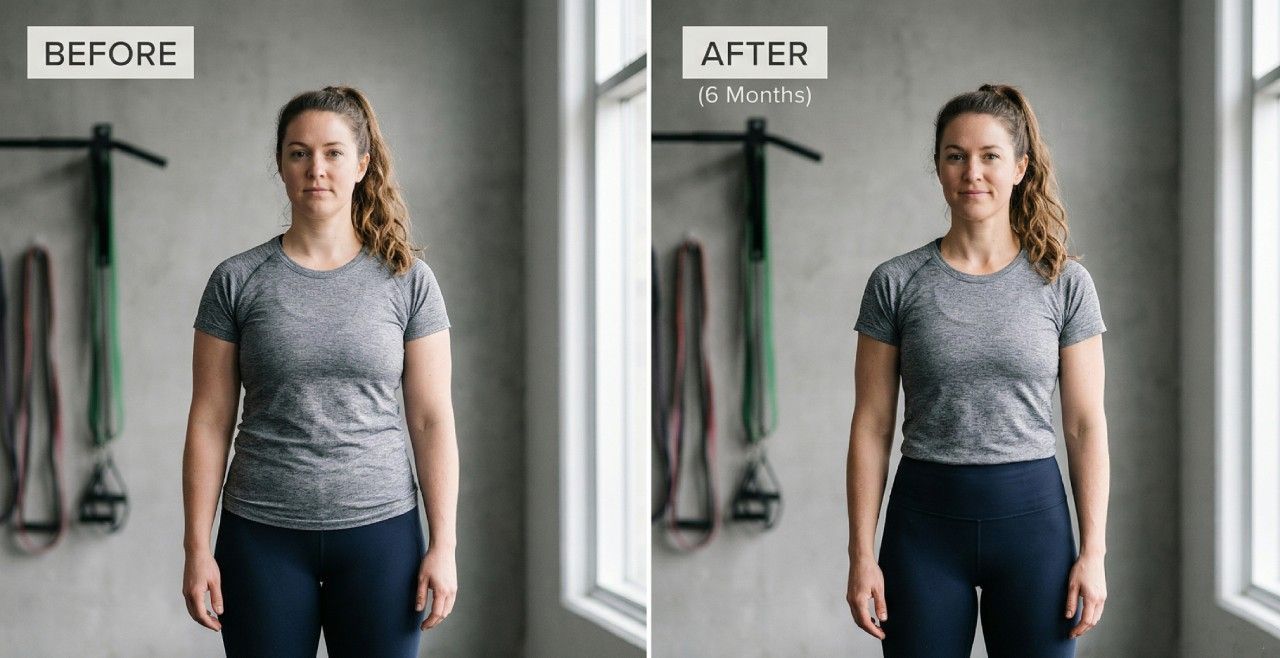
Not all programs are the same. The right environment matters.
Advanced Care in a Local Setting
At SOMA, you have access to advanced treatments like GLP-1 medications such as semaglutide and tirzepatide without traveling outside Grants Pass. You receive high-level care in a comfortable, local setting where your progress is closely monitored by an experienced medical team.
Patient-First Approach
We take time to walk you through every step so you fully understand your treatment plan, medications, and expected results. You are never rushed, and your concerns, questions, and health goals always come first.
Programs Built for Your Life
Your plan is designed around your daily routine, not the other way around, so it actually fits into your life long-term. We consider your schedule, lifestyle habits, and personal health needs to create a personalized plan you can stick with and succeed in.
What to Expect During Your Weight Loss Journey at SOMA
Starting can feel intimidating. It doesn’t have to be.
Your First Visit
We review your health history, BMI, and lifestyle habits to understand what’s affecting your weight. You’ll also discuss your goals so we can build a plan that fits you.
Your Personalized Plan
You receive a program tailored to your needs, which may include nutrition, weight loss medications, and lifestyle changes. The goal is to help you lose weight safely and realistically.
Tracking Progress
We monitor your results through regular check-ins to keep you on track. If needed, we adjust your plan to keep your progress consistent.
How Fast Can You Burn Fat Safely?
Everyone wants fast results. But safety matters more.
Realistic Weight Loss Expectations
Most people lose
1 to 2 pounds per week. Some lose more in the beginning with medical support.
What Affects Your Results
- Age
- Hormones
- Adherence
- Health conditions
Fast vs Sustainable
Losing weight too fast often leads to weight regain. The goal is to lose weight and maintain it.
FAQs About Medical Weight Loss in Grants Pass
How much weight can I lose in the first month?
Many patients may lose weight during the first month, but results vary based on medication, nutrition, activity, health history, and adherence. At SOMA in Grants Pass, your provider will help set realistic goals and monitor progress so weight loss stays safe and sustainable.
Do I need to exercise while on a medical weight loss program?
Yes, exercise is usually recommended during medical weight loss because it supports heart health, blood sugar control, strength, and long-term weight maintenance. You do not need extreme workouts; consistent walking, resistance training, and realistic movement goals can make the plan easier to maintain.
Will I regain weight after stopping treatment?
Weight regain is possible if appetite, nutrition, activity, sleep, and lifestyle habits are not maintained after treatment. SOMA focuses on sustainable weight loss strategies, ongoing check-ins, and long-term habits to help Grants Pass patients maintain their progress.
How do I know if I qualify for medical weight loss in Grants Pass?
A SOMA provider can determine whether you qualify after reviewing your BMI, weight history, medical conditions, current medications, previous weight loss attempts, and treatment goals. This screening helps confirm whether options such as nutrition support, semaglutide, tirzepatide, or another plan are appropriate.
Can medical weight loss help with diabetes or PCOS?
Medical weight loss may support patients with diabetes, insulin resistance, or PCOS when excess weight and metabolic health are part of the concern. Your SOMA provider will review your health history and coordinate an appropriate plan based on your condition, medications, and goals.
What are the possible side effects of GLP-1 weight loss injections?
GLP-1 medications may cause side effects, most commonly digestive symptoms such as nausea, fullness, constipation, diarrhea, or stomach discomfort. SOMA reviews your health history and monitors your progress so dosing and follow-up can be handled safely.
Is semaglutide or tirzepatide better for weight loss?
Semaglutide and tirzepatide can both support weight loss, but the better choice depends on your health history, goals, tolerance, cost, and provider recommendation. SOMA can compare the options during a medical weight loss consultation in Grants Pass.
How much does medical weight loss cost in Grants Pass?
Medical weight loss cost depends on your consultation, treatment plan, medication choice, follow-up schedule, and whether additional support is recommended. SOMA can provide personalized pricing after your provider reviews your goals and eligibility.
Do I need a prescription for weight loss injections?
Yes, medications such as semaglutide and tirzepatide require medical evaluation and a prescription when clinically appropriate. SOMA can determine whether prescription weight loss medication is suitable after reviewing your health history and goals.
Start Your Medical Weight Loss Consultation in Grants Pass
You don’t have to keep guessing. You don’t have to keep starting over.
Medical weight loss gives you a clear path forward. It combines science, support, and real strategies that help you lose weight safely, improve your health, and feel better in your body.
At Southern Oregon Medical Aesthetics, we are here to guide you every step of the way. If you’re ready to stop struggling and start seeing real progress, schedule a consultation today and take the first step toward lasting results.

Joyce Solar
RN - Cofounder/Master Injector
Joyce Solar, RN, is the cofounder and Master Injector at Southern Oregon Medical Aesthetics Center with over 20 years of experience in medical aesthetics. She is an Ultherapy specialist and national clinical educator known for her expertise in facial aesthetic injectables.