Chemical Peel Aftercare in Grants Pass: 9 Tips for Smooth Skin

Joyce Solar
RN - Cofounder/Master Injector
Your chemical peel is complete, but now your face feels tight, looks red, and may be starting to flake. It is tempting to scrub the dry spots, apply your usual skincare products, or cover everything with makeup. Those choices can irritate healing skin and slow the recovery process.
The solution is simple: give your skin some time and follow the right chemical peel aftercare in Grants Pass. Gentle cleansing, regular moisturizer, careful sun protection, and a temporary break from strong skincare ingredients can help your skin heal without unnecessary irritation.
Southern Oregon Medical Aesthetics offers customized PCA SKIN chemical peel treatments in Grants Pass, Oregon. Each peel and aftercare plan is selected according to your skin type, skin condition, and treatment goals.
Below are nine practical chemical peel aftercare tips to help protect your treated skin and support a smoother recovery.
What You’ll Learn From This Article
This guide explains what to expect during chemical peel recovery and how to care for your skin at each stage of the healing process. You’ll learn:
- Which reactions are normal after a chemical peel
- How to cleanse and moisturize treated skin safely
- Why you should not pick or scrub flaking skin
- How to protect your skin from sun exposure
- Which skincare products to pause during recovery
- When to avoid exercise, heat, makeup, and other treatments
- Which symptoms may require a call to your provider
- How to support smoother, healthier skin after healing
What Happens to Your Skin After a Chemical Peel?
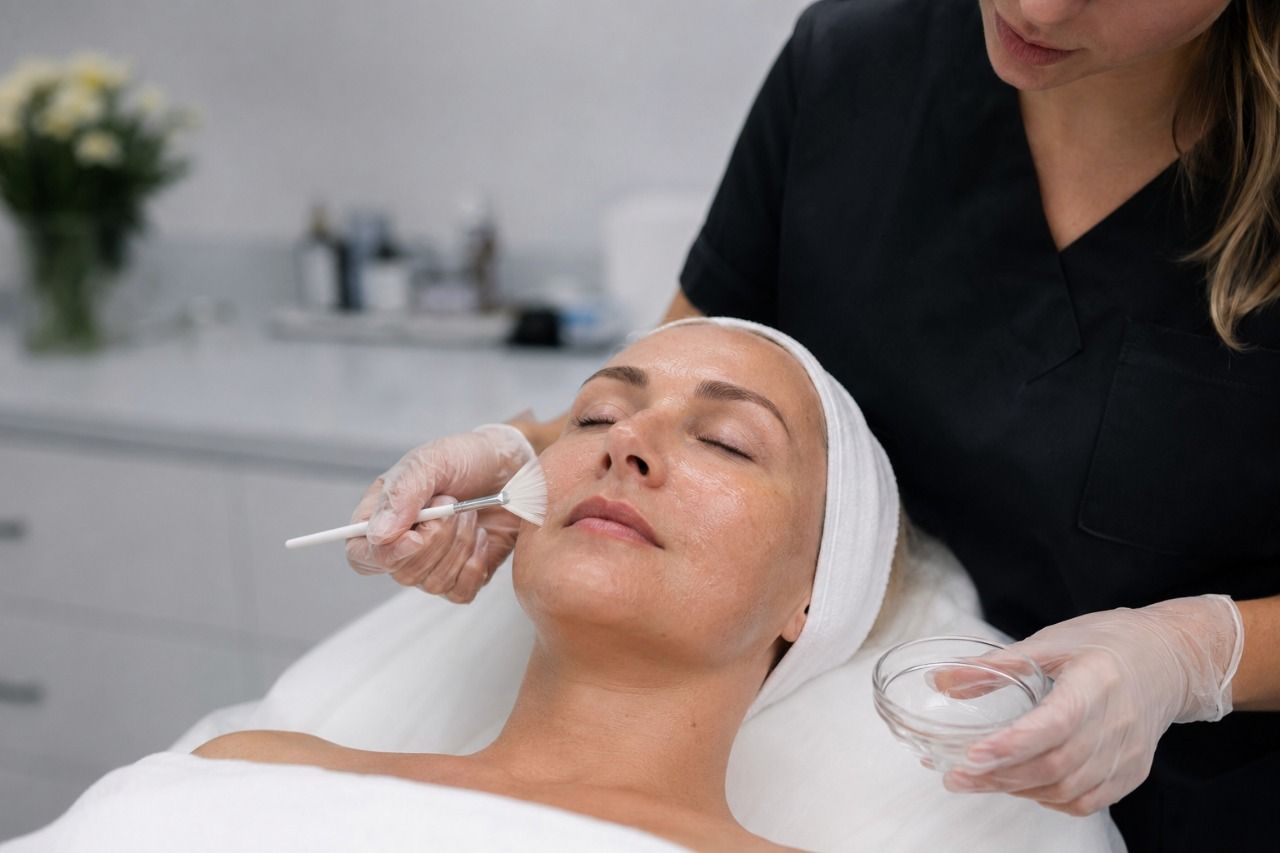
A chemical peel uses a controlled solution to remove a targeted layer of skin. As damaged skin cells loosen and shed, new skin begins forming underneath. This skin resurfacing process may improve skin tone and texture, fine lines, acne, dark spots, or sun damage, depending on the type of chemical peel used.
Your skin may feel warm or sensitive shortly after treatment. Redness, tightness, dryness, and mild swelling may also occur. A few days later, the treated skin may flake, scale, or peel. Pigmented areas can sometimes look darker before they shed.
Visible peeling is not the only sign that a chemical peel treatment worked. Some people experience clear flaking skin, while others notice only mild dryness or roughness. A light chemical peel may create very little visible shedding while still encouraging new cell growth.
The depth of the peel determines much of the chemical peel recovery process.
| Type of Peel | Common Skin Response | Approximate Recovery Period |
|---|---|---|
| Light peel | Mild redness, dryness, or light scaling | About 1 to 7 days |
| Medium peel | Redness, swelling, crusting, and clear peeling | Often 7 to 14 days |
| Deep peel | Significant redness, swelling, crusting, and prolonged healing | Several weeks or longer |
The American Academy of Dermatology states that healing after a light peel may take one to seven days. Medium and deeper chemical peels need more aftercare and a longer recovery period. Your own chemical peel recovery time may differ based on the formula, depth of the peel, skin type, medical history, and treatment area.
Follow the aftercare instructions given by your provider, even when your skin looks different from what you expected.
Tip 1: Follow Your Chemical Peel Aftercare Instructions
No two chemical peels are exactly the same. Different peel formulas use different acids, strengths, combinations, and application times. Aftercare must match the treatment you received.
Use only the cleanser, moisturizer, ointment, and sunscreen your provider approves. Do not add a new serum, mask, oil, acne cream, or home remedy because someone online recommended it. Even familiar skincare products can irritate your healing skin while the skin barrier remains sensitive.
Attend any scheduled follow-up visit. A provider may need to check your healing process, especially after a medium or deep peel. They can also tell you when to restart your normal skincare routine.
Southern Oregon Medical Aesthetics takes a patient-specific approach to PCA SKIN peels. The team can recommend skincare products based on your skin type and the type of peel performed.
When you are unsure about a product, stop and ask before applying it.
Tip 2: Use a Gentle Cleanser
Clean skin supports recovery, but aggressive washing may damage the skin post-peel. Hot water, rough washcloths, and strong cleansers can irritate the skin when it is already dry and sensitive.
Wash your hands before touching your face. Use lukewarm water and apply an approved cleanser with clean fingertips. Move your fingers gently across the skin without rubbing, then rinse carefully. Pat the area dry with a clean, soft towel.
Avoid these cleansing products and tools during recovery:
- Facial scrubs
- Cleansing brushes
- Rough washcloths
- Exfoliating pads
- Alcohol based toners
- Fragranced cleansers
- Strong foaming agents
- Acne cleansers containing acids or benzoyl peroxide
Your provider may give you a specific cleansing schedule for the first day. Follow their advice rather than assuming you should wash your face immediately.
A cleanser should leave your skin comfortable, not stripped or burning. Stop using it and contact your provider when redness or stinging continues after rinsing.
Tip 3: Apply an Approved Moisturizer
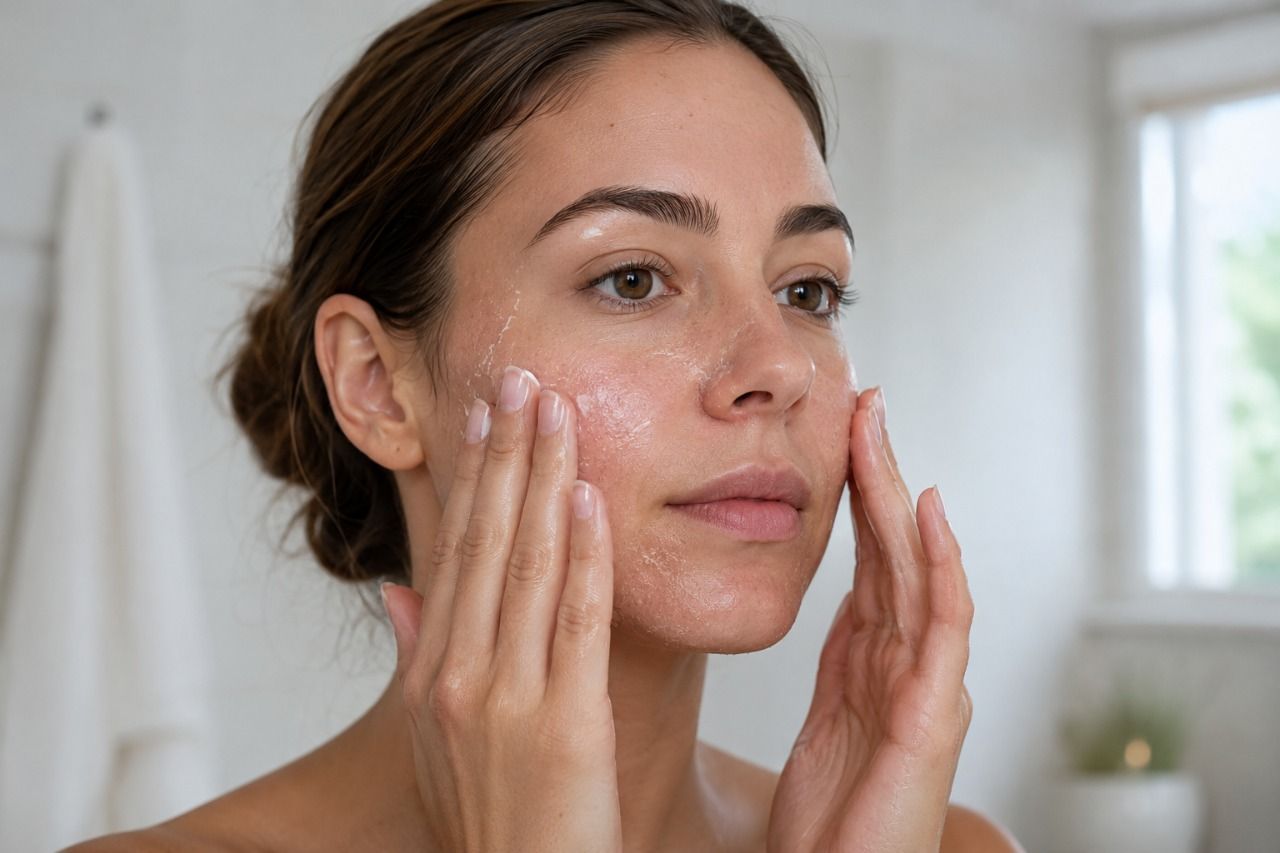
A chemical peel temporarily weakens the outer skin barrier. Water escapes more easily from treated skin during this stage, which can cause tightness, cracking, flaking, and irritation.
Apply your approved moisturizer with clean hands. Press it gently onto the skin instead of rubbing it across loose or peeling areas. Reapply it as directed, especially when your skin starts to feel tight.
Cleveland Clinic advises patients to apply lotion or cream as directed until the skin heals. This helps keep healing skin comfortable during chemical peel recovery.
A medium peel or deep peel may require a specific ointment rather than a standard facial moisturizer. Do not replace that product with essential oils, fragranced creams, heavy acne products, or homemade treatments.
You may love your regular moisturizer, but check the label before going back to it. Some moisturizers contain retinol, exfoliating acids, fragrance, or strong botanical extracts that could irritate sensitive skin.
The safest moisturizer is the one your provider has approved for your exact peel.
Tip 4: Let Your Skin Shed Naturally
Loose skin can be hard to ignore. You may feel tempted to peel skin from the edges around your nose, mouth, or chin, but pulling it off can expose new skin before it is ready.
Picking may cause raw areas, prolonged redness, a breakout, infection, discolored skin, or a scar. It may also increase the chance of hyperpigmentation, especially if your skin produces pigment easily after inflammation.
Allow your skin to shed on its own. Continue gentle cleansing and moisturizer while the flakes loosen naturally.
Avoid anything that forces exfoliation, including:
- Scrubs
- Peeling gels
- Cleansing brushes
- Pore strips
- Exfoliating masks
- At-home peels
- Dermaplaning tools
Do not shave over actively peeling or irritated areas without approval. A razor can catch the flaking skin and remove more than the loose surface layer.
Contact your provider if peeling becomes painful, wet, unusually thick, or difficult to manage. Do not cut attached pieces of skin with scissors.
Tip 5: Protect Your Skin From Sun Exposure
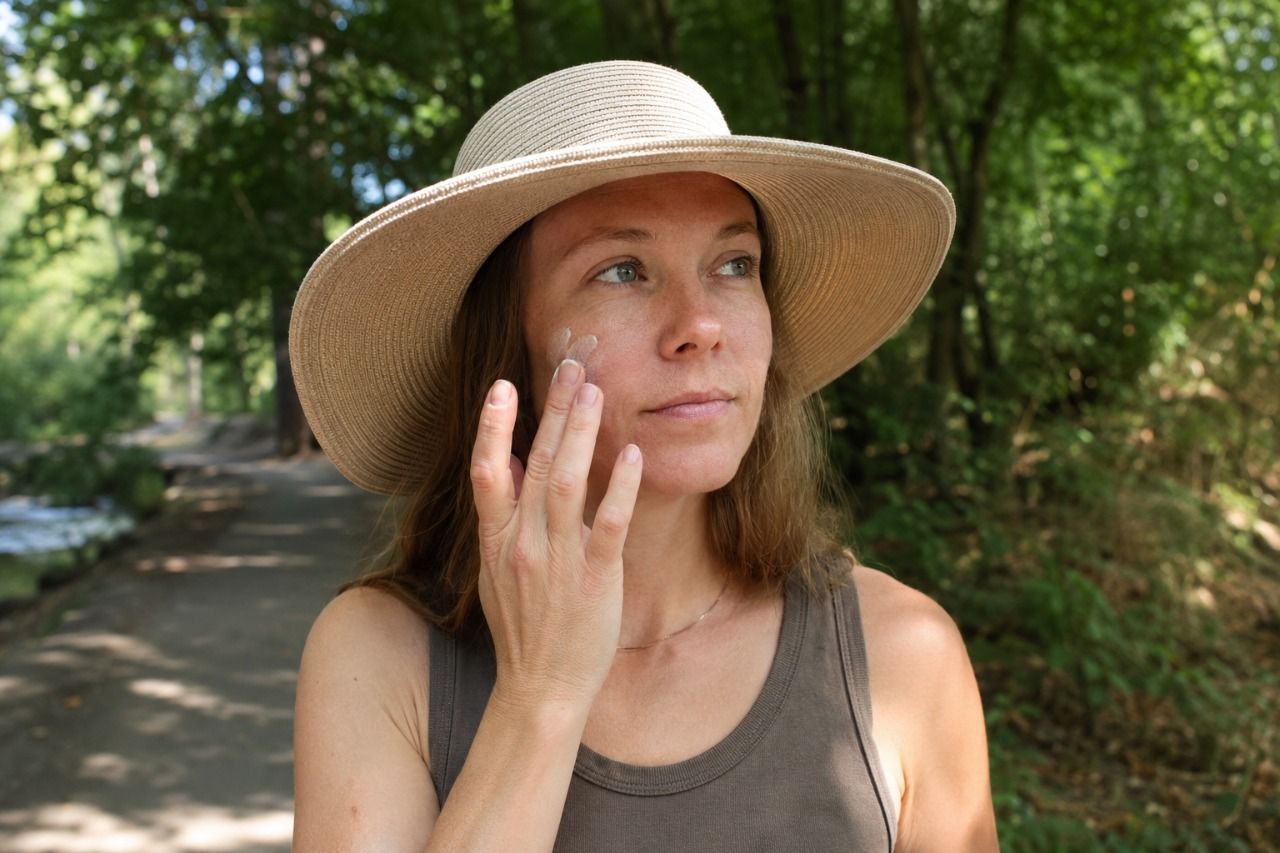
New skin is more sensitive to UV exposure. Sunlight can worsen redness, irritate the treated skin, and increase your risk of post-inflammatory hyperpigmentation.
Avoid prolonged sun exposure while your skin heals. Wear a wide-brimmed hat, stay in the shade, and follow your provider’s instructions about when to apply sunscreen. Do not use tanning beds.
After the skin barrier has recovered enough for sunscreen, choose a provider-approved broad-spectrum sunscreen with SPF 30 or higher. The American Academy of Dermatology recommends a broad-spectrum, water-resistant sunscreen with an SPF of at least 30.
Reapply sunscreen according to the label and your provider’s instructions. You may need more frequent application when sweating or spending time outdoors.
People in Grants Pass should protect healing skin while driving, gardening, walking, hiking, or attending outdoor events. UV rays still reach your skin on cool or cloudy days.
A hat and sunscreen work better together. Use both when you need to be outside for more than a brief period.
Daily sun protection helps preserve the benefits of your chemical peel and reduces future sun damage.
Tip 6: Pause Retinol, Acids, and Strong Skincare Products
Strong skincare ingredients can cause trouble when used too early after a peel. Your skin barrier needs time to recover before it can tolerate products that increase cell turnover or exfoliate the skin.
Avoid products containing:
- Retinol or prescription retinoids
- Glycolic acid
- Lactic acid
- Salicylic acid
- Benzoyl peroxide
- Strong vitamin C formulas
- Hydroquinone, unless directed
- Physical exfoliants
- At-home chemical peels
- Exfoliating masks
Restarting these products too soon may cause burning, redness, excessive flaking, or a longer chemical peel recovery time.
Do not follow a fixed restart date from a blog or social media post. The right timing depends on the depth of the peel and how quickly your skin recovers. Some people may restart certain skincare products after a light peel sooner than someone who received a medium peel.
Ask your provider when to resume each product. Introduce one active ingredient at a time, then watch for irritation before adding another.
Stop immediately if a product causes lasting burning, swelling, or raw skin.
Tip 7: Avoid Saunas, Heat, Sweat, and Friction
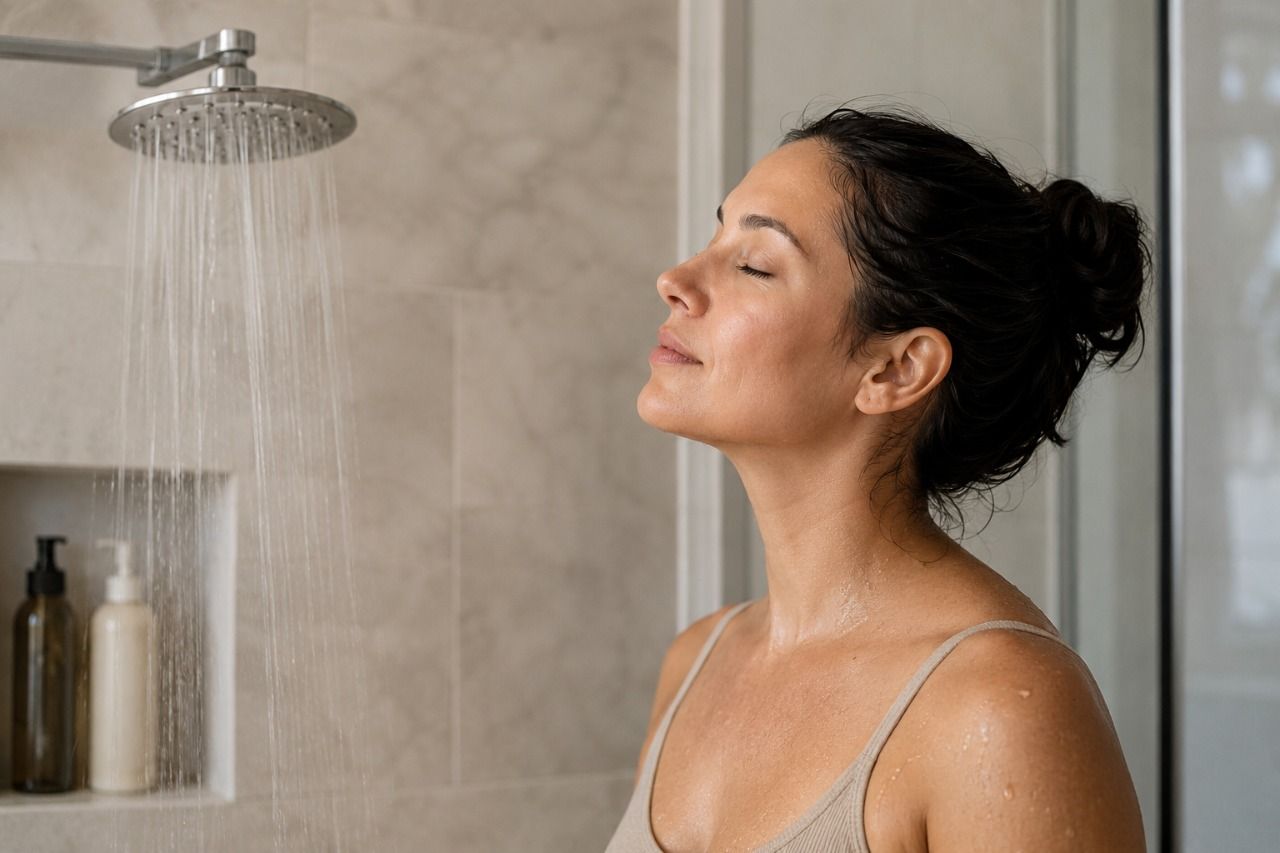
Heat can make redness and swelling more noticeable. Sweat contains salt, which may sting when it reaches healing skin.
Your provider may ask you to temporarily avoid:
- Hard workouts
- Saunas
- Steam rooms
- Heated yoga
- Hot tubs
- Very hot showers
- Swimming pools
- Tight masks or helmets
Friction can also irritate your skin during recovery. Straps, sports equipment, tight hats, and rough pillowcases may rub against the treated area and pull at flaking skin.
Pool water can sting because of chlorine and other treatment chemicals. Outdoor pools also expose your skin to UV radiation, so it is usually best to wait until the skin has healed.
Ask your provider when you can return to exercise, swimming, and heat. A light peel may require only a brief break, while a medium or deep peel may need more time.
Giving your skin some time now may prevent several extra days of discomfort later.
Tip 8: Wait Before Applying Makeup or Scheduling Treatments
Makeup may seem like a quick way to hide redness or flaking, but applying it too soon can irritate the skin or introduce bacteria.
Wait until your provider says makeup is safe. Some light peels may allow makeup soon after treatment, while deeper peels require more healing time. The American Academy of Dermatology notes that makeup timing depends on the type and depth of the peel.
When you start wearing makeup again:
- Use clean brushes and sponges.
- Choose gentle, fragrance-free products.
- Apply makeup without rubbing.
- Remove it with a mild cleanser.
- Stop using any product that stings or burns.
Postpone other skin treatments until your provider clears them. These may include waxing, threading, dermaplaning, microdermabrasion, microneedling, laser skin resurfacing, another peel, and certain injectables in the same treatment area.
Spacing procedures gives the skin a chance to heal and lets your provider judge the result of each treatment properly.
Tip 9: Watch for Signs That Need Medical Attention
Mild redness, dryness, sensitivity, and gradual skin shedding can occur during normal chemical peel recovery. These symptoms should slowly improve.
Contact your provider when symptoms become more severe instead of better.
Call Southern Oregon Medical Aesthetics promptly if you notice:
- Increasing pain
- Significant swelling
- Blisters
- Weeping or open skin
- Pus or unusual drainage
- Severe crusting
- Sudden dark or pale patches
- A spreading rash
- Fever
- Cold sores near the treatment area
- Redness that keeps getting worse
Do not try to treat a concerning reaction with leftover antibiotics, steroid cream, essential oils, acids, or acne medication. The wrong product may worsen the problem.
Seek urgent medical care for trouble breathing, swelling that affects your mouth or airway, severe eye symptoms, or signs of a serious allergic reaction.
This article provides general information. It does not replace care from the professional who assessed your skin and completed your chemical peel.
How to Care for Your Skin After Recovery
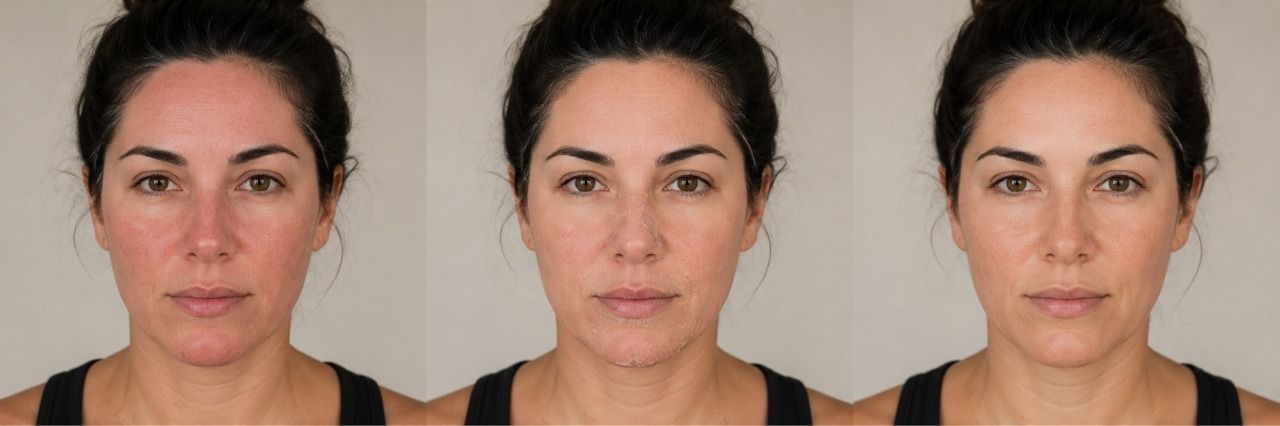
Your regular skincare routine should return gradually. Start with gentle cleansing, moisturizer, and broad-spectrum sunscreen. Add other products only after your provider confirms that your skin barrier has healed.
Your long-term plan may include retinol, antioxidants, pigment products, or acne treatments selected for your skin type. Introduce each product separately so you can tell which one causes irritation if a problem develops.
A planned series of light peels may help improve:
- Uneven skin tone
- Rough skin texture
- Dullness
- Mild acne
- Acne-related discoloration
- Fine lines
- Sun damage
Chemical peels may help treat acne, discoloration, rough skin, fine lines, and some signs of sun damage. Treatment results and safety depend on proper patient selection and professional supervision.
Southern Oregon Medical Aesthetics provides customizable PCA SKIN chemical peels for patients in Grants Pass and Josephine County. The team can assess your skin and recommend a peel, skincare products, and treatment schedule based on your goals.
Frequently Asked Questions About Chemical Peel Aftercare
These common questions can help you understand what is normal during the recovery period. Your own provider’s instructions should always come first.
1. How Long Does Skin Peel After a Chemical Peel?
A light peel may cause scaling for about three to seven days. Medium or deeper chemical peels can cause more visible peeling and require a longer recovery period. Your skin type, peel formula, and treatment depth all affect the timeline.
2. What Should I Put on My Face After a Chemical Peel?
Use only the cleanser, moisturizer, ointment, and sunscreen approved by your provider. Avoid products containing fragrance, retinol, exfoliating acids, benzoyl peroxide, or other strong ingredients until your provider says they are safe.
3. Can I Wash My Face After a Chemical Peel?
You can usually wash your face according to the aftercare instructions you received. Use lukewarm water, clean fingertips, and a gentle cleanser. Do not scrub the treated skin or use a cleansing brush.
4. When Can I Wear Makeup After a Chemical Peel?
Makeup timing depends on the type of peel and how your skin looks. Some people can apply makeup soon after a light chemical peel, while others need to wait. Do not apply makeup over raw, weeping, or heavily crusted skin.
5. What Happens if My Skin Does Not Peel?
Your treatment may still be working. Some superficial chemical peels cause light flaking or no obvious skin shed. The amount of visible peeling does not always reflect the amount of new cell growth taking place.
6. Can I Exercise After Getting a Chemical Peel?
You may need to avoid hard exercise for a short period because heat and sweat can irritate healing skin. Follow your provider’s timeline, especially after a medium or deep peel.
Get Personalized Chemical Peel Care in Grants Pass
Proper aftercare protects your skin while it heals. Follow your provider’s instructions, wash gently, use an approved moisturizer, avoid picking, protect your skin from UV exposure, pause strong products, avoid saunas and heavy sweating, delay makeup and other treatments, and report unusual symptoms.
Your recovery will depend on your skin type and the depth of the peel. Do not rush it. A little patience can make the healing process more comfortable and protect your final result.
Southern Oregon Medical Aesthetics offers customized PCA SKIN chemical peel treatments and skincare guidance in Grants Pass, Oregon. Schedule a consultation to find out which type of chemical peel may be right for your skin tone, texture, and treatment goals.

Joyce Solar
RN - Cofounder/Master Injector
Joyce Solar, RN, is the cofounder and Master Injector at Southern Oregon Medical Aesthetics Center with over 20 years of experience in medical aesthetics. She is an Ultherapy specialist and national clinical educator known for her expertise in facial aesthetic injectables.