Ultherapy Treatment Guide: Get a Youthful Glow in Grants Pass

Joyce Solar
RN - Cofounder/Master Injector
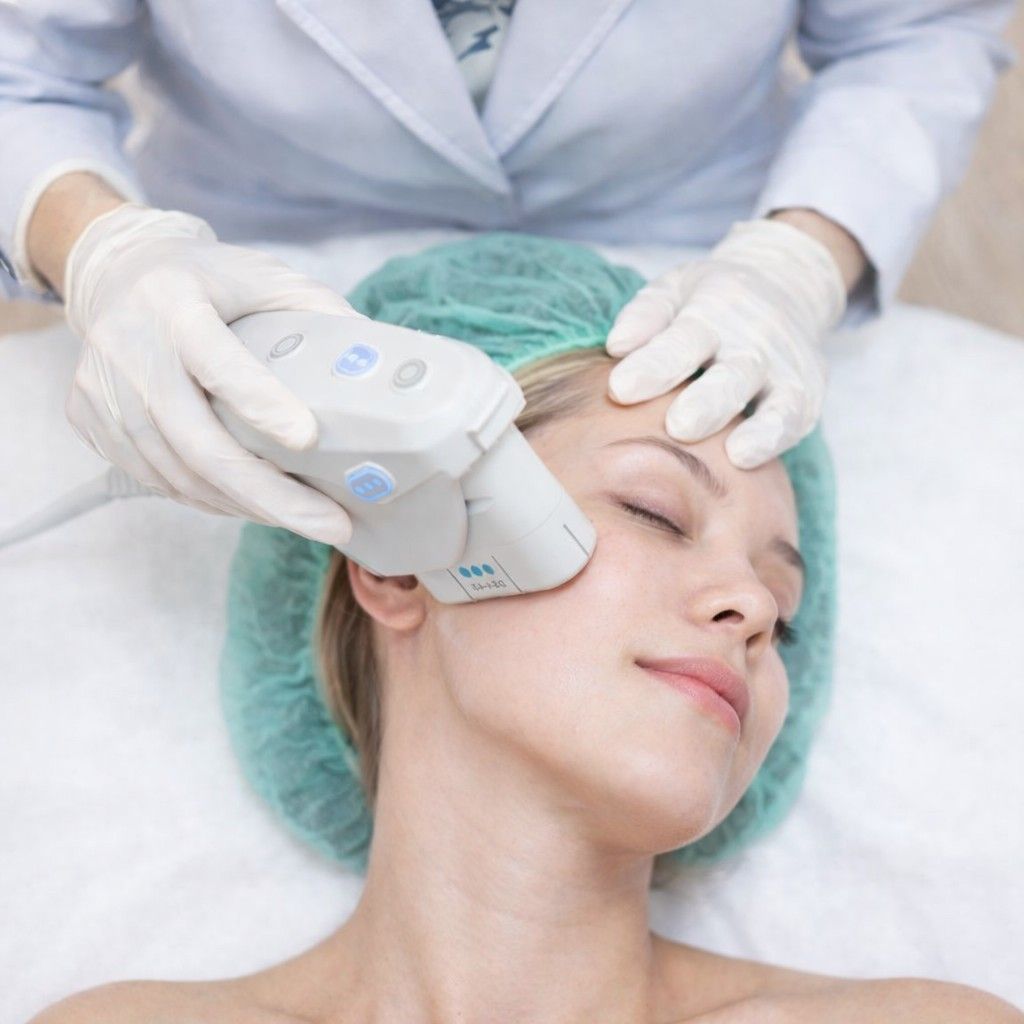
If your jawline looks softer, sagging under the chin is more noticeable, or your brows sit lower than they used to, your skin is changing. These are early signs that your body’s collagen production is slowing and your skin is losing the support it once had.
Ultherapy offers a non-surgical way to lift and tighten skin using focused ultrasound energy. There are no needles, no cutting, and no long downtime. It is a non-invasive treatment that works with your body to trigger new collagen and gradually lift the skin over time.
This guide explains how Ultherapy works, who is a good candidate, what to expect during treatment, and why patients in Grants Pass choose Southern Oregon Medical Aesthetics for this FDA-cleared skin tightening option.
What Is Ultherapy and How Does It Work?
Ultherapy is a non-invasive cosmetic treatment cleared by the FDA to actually lift skin. It uses ultrasound technology to treat deep layers of the skin without harming the surface.
How ultrasound energy tightens the skin
Before getting into details, it helps to understand why ultrasound works differently than lasers or other treatments.
Ultherapy uses focused ultrasound to deliver tiny amounts of energy deep beneath the skin. These controlled points of heat reach the same foundational layers targeted in a surgical facelift. This heat triggers the body’s natural production of collagen and elastin.
Over the months following treatment, new collagen forms. Skin gradually lifts and tightens. Lines and wrinkles soften. Skin laxity improves without changing your natural expressions.
Areas Ultherapy Treats
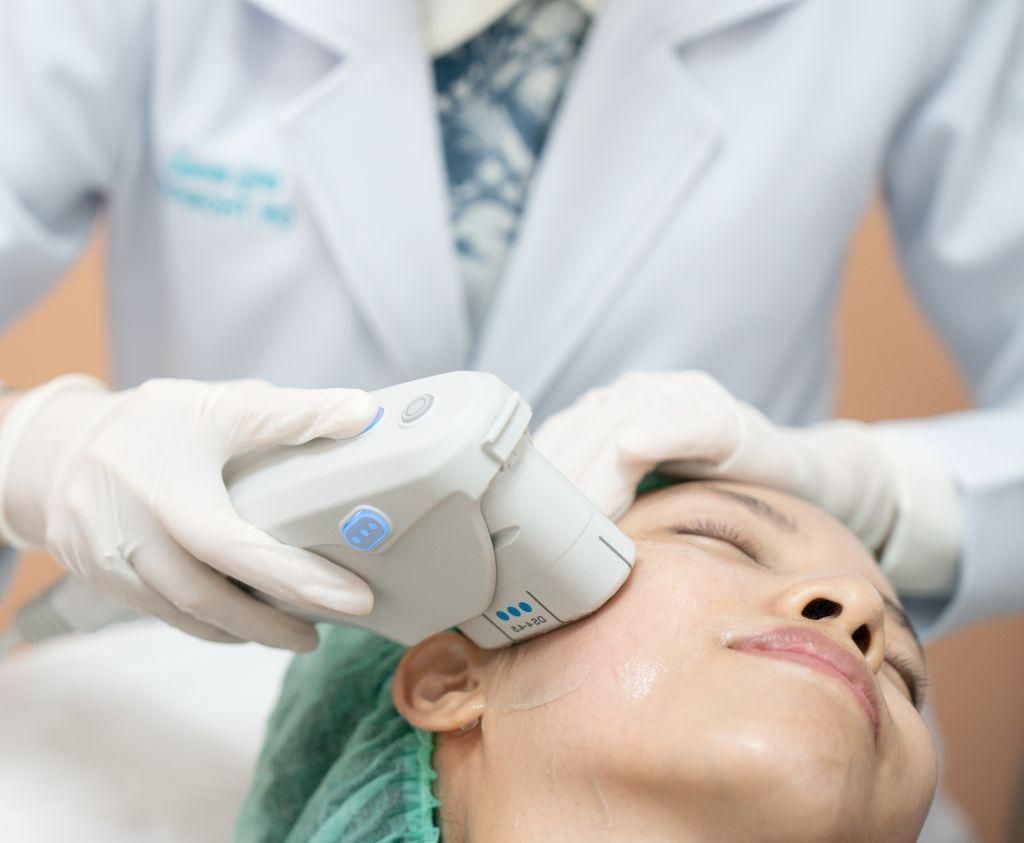
Ultherapy treats areas where mild to moderate skin laxity shows first. Each treatment area is planned based on how the skin is aging and how much support it needs.
Face and neck skin tightening
Loose skin on the face and neck is one of the most common concerns we see.
Ultherapy skin tightening can help:
- Lift and tighten the brow
- Improve sagging skin along the jawline
- Reduce sagging under the chin
- Firm loose skin on the neck
Chest and wrinkle-prone areas
Some skin concerns are easy to overlook until wrinkles settle in.
Ultherapy also treats:
- Wrinkles on the chest
- Crepey skin caused by sun damage
- Areas where skin laxity begins, but surgery feels like too much
Who Is a Good Candidate for Ultherapy?
Ultherapy works best for people with mild to moderate skin laxity, where the skin begins to sag but still has enough structure to respond.
Signs you may benefit from Ultherapy
Many patients are surprised to learn they are a good candidate for Ultherapy earlier than expected.
You may be a candidate if you notice:
- Loose skin under the chin
- A soft or less defined jawline
- Drooping brows
- Skin laxity in the face and neck
- Fine lines and wrinkles caused by collagen loss
Ultherapy does not replace surgery for severe sagging skin. It is a lifting treatment for patients who want a non-surgical option with natural-looking results.
What to Expect During Ultherapy
Knowing what happens during the appointment helps set realistic expectations and lowers anxiety.
Before the Ultherapy procedure
Every treatment starts with a consultation. We evaluate your skin layers, degree of skin laxity, and goals. A customized treatment plan is created based on areas like the face, neck, chin, or chest.
During the ultrasound treatment
Ultherapy uses real-time imaging so we can see the deep layers of the skin as energy is delivered.
During treatment:
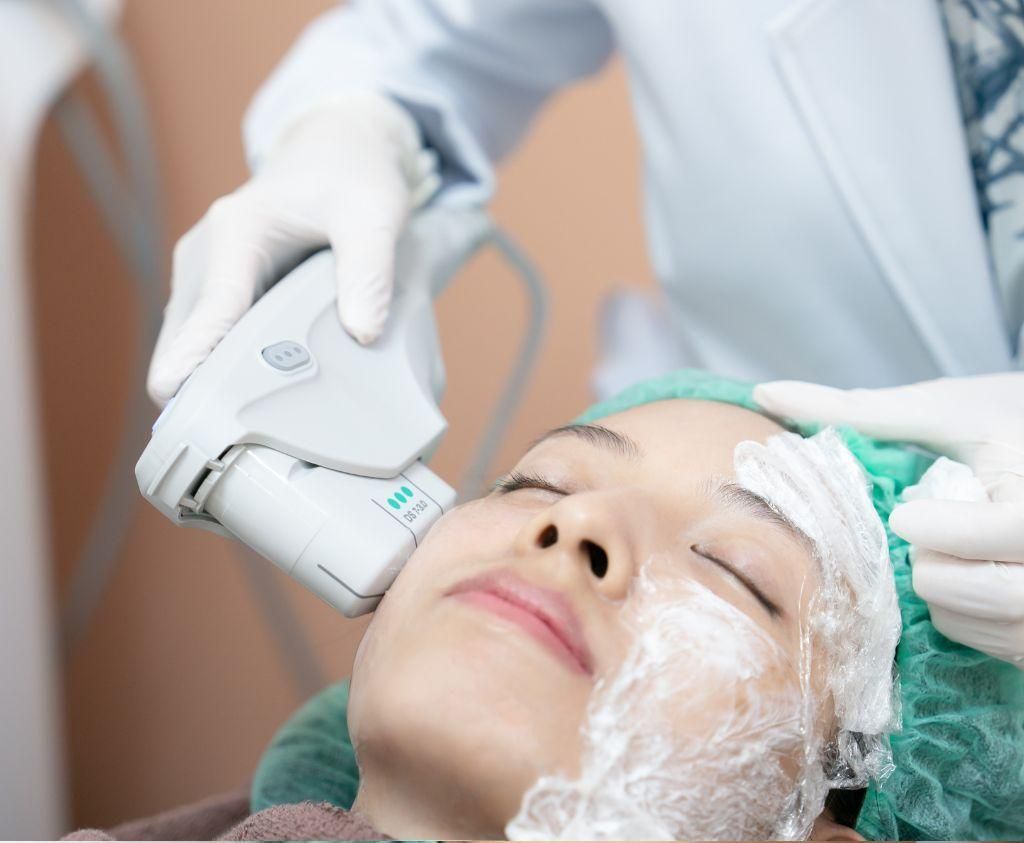
- Ultrasound gel is applied
- Focused ultrasound is delivered in short pulses
- Tiny amounts of energy reach deep layers of the skin
- Treatment time varies by area but usually takes 30 to 90 minutes
Some patients feel brief heat or tingling. This means collagen production has started.
After the treatment
There is little to no downtime. Most patients return to normal activities within a few hours.
You may notice:
- Mild redness
- Slight swelling
- Tenderness when touching the skin
These effects usually fade quickly.
How Ultherapy Builds New Collagen Over Time
Ultherapy does not create instant, dramatic changes like fillers. It works gradually and naturally by supporting the body’s own collagen production.
Why are the results not immediate
Ultherapy uses focused ultrasound energy to heat the deep layers of the skin where collagen and elastin are produced. This heat triggers a controlled healing response. Collagen does not rebuild overnight, and that is a good thing.
Clinical studies show that micro-focused ultrasound stimulates new collagen formation over several months as the skin repairs itself. One peer-reviewed study published in Dermatologic Surgery found measurable improvement in skin lifting and tightening over a 90- to 180-day period following Ultherapy treatment, confirming that results develop progressively rather than all at once.
Following treatment:
- New collagen begins forming beneath the skin
- Skin tightens gradually as collagen fibers reorganize
- Lifting continues over 2 to 6 months
This slow improvement is why Ultherapy results look natural. The skin tightens as it heals, not because volume was added or the skin was forced into place.
How Long Ultherapy Results Last
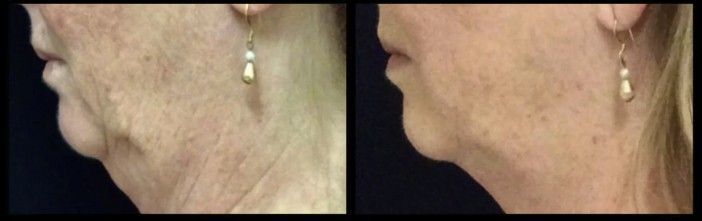
Ultherapy results can last up to a year or longer, depending on your skin and lifestyle.
Factors that affect results:
- Age
- Degree of skin laxity
- Sun exposure
- Overall collagen health
Some patients benefit from additional treatments over time to maintain results as they age.
Ultherapy vs Other Skin Tightening Treatments
Not all skin tightening treatments work the same way. Knowing the difference helps you choose the right treatment option.
Ultherapy vs laser treatments
Laser treatments focus on the surface of the skin. Ultherapy uses ultrasound energy to reach deeper layers of the skin where lifting actually happens.
Ultherapy vs radiofrequency
Radiofrequency treatments heat skin more superficially. Ultherapy uses focused ultrasound to reach deeper layers with precision.
Ultherapy is the only non-invasive treatment cleared by the FDA to actually lift skin, not just tighten the surface.
Safety and Side Effects of Ultherapy
Ultherapy has a strong safety profile when performed by trained providers.
Common side effects of Ultherapy
Side effects are usually mild and temporary:
- Redness
- Swelling
- Tingling
- Tenderness
Rare side effects may include temporary numbness or bruising.
Ultherapy does not damage the surface of the skin and treats different types of skin safely.
Ultherapy Treatment Overview at a Glance
If you want the basics without reading every detail, this table gives you a quick snapshot of how Ultherapy works.
| Feature | Details |
|---|---|
| Treatment type | Non-invasive ultrasound treatment |
| Areas treated | Face and neck, chin, brow, chest |
| Downtime | Minimal to none |
| Number of sessions | One treatment for most patients |
| Results timeline | Gradual improvement over months |
| FDA status | Treatment cleared by the FDA |
Frequently Asked Questions About Ultherapy
1. Is Ultherapy painful?
Ultherapy can cause brief discomfort as energy is delivered, but most patients tolerate it well. Sensation varies by treatment area and sensitivity.
2. How many Ultherapy treatments do I need?
Most patients need one initial treatment. Some may benefit from additional treatments depending on skin laxity and goals.
3. When will I see Ultherapy results?
Some tightening may be felt early, but visible lifting usually appears over 2 to 6 months as new collagen forms.
4. Is there downtime after Ultherapy?
Downtime is minimal. Most patients return to normal activities within a few hours.
5. Does Ultherapy work on loose skin under the chin?
Yes. Sagging under the chin is one of the most common areas treated with Ultherapy.
Conclusion: Is Ultherapy Right for You?
Skin laxity does not happen overnight. It builds slowly as collagen and elastin decline. Ultherapy offers a non-surgical skin-tightening treatment that works with your body to naturally lift the skin.
At Southern Oregon Medical Aesthetics in Grants Pass, we focus on education, technique, and realistic outcomes. If you are noticing sagging skin and want a treatment that lifts and tightens without surgery, Ultherapy may be the right next step.
A personalized consultation helps determine if this non-invasive procedure fits your skin concerns and long-term goals.

Joyce Solar
RN - Cofounder/Master Injector
Joyce Solar, RN, is the cofounder and Master Injector at Southern Oregon Medical Aesthetics Center with over 20 years of experience in medical aesthetics. She is an Ultherapy specialist and national clinical educator known for her expertise in facial aesthetic injectables.