Facial Peel Treatment in Grants Pass, OR: 7 Tips for Fresh, Clear Skin

Joyce Solar
RN - Cofounder/Master Injector
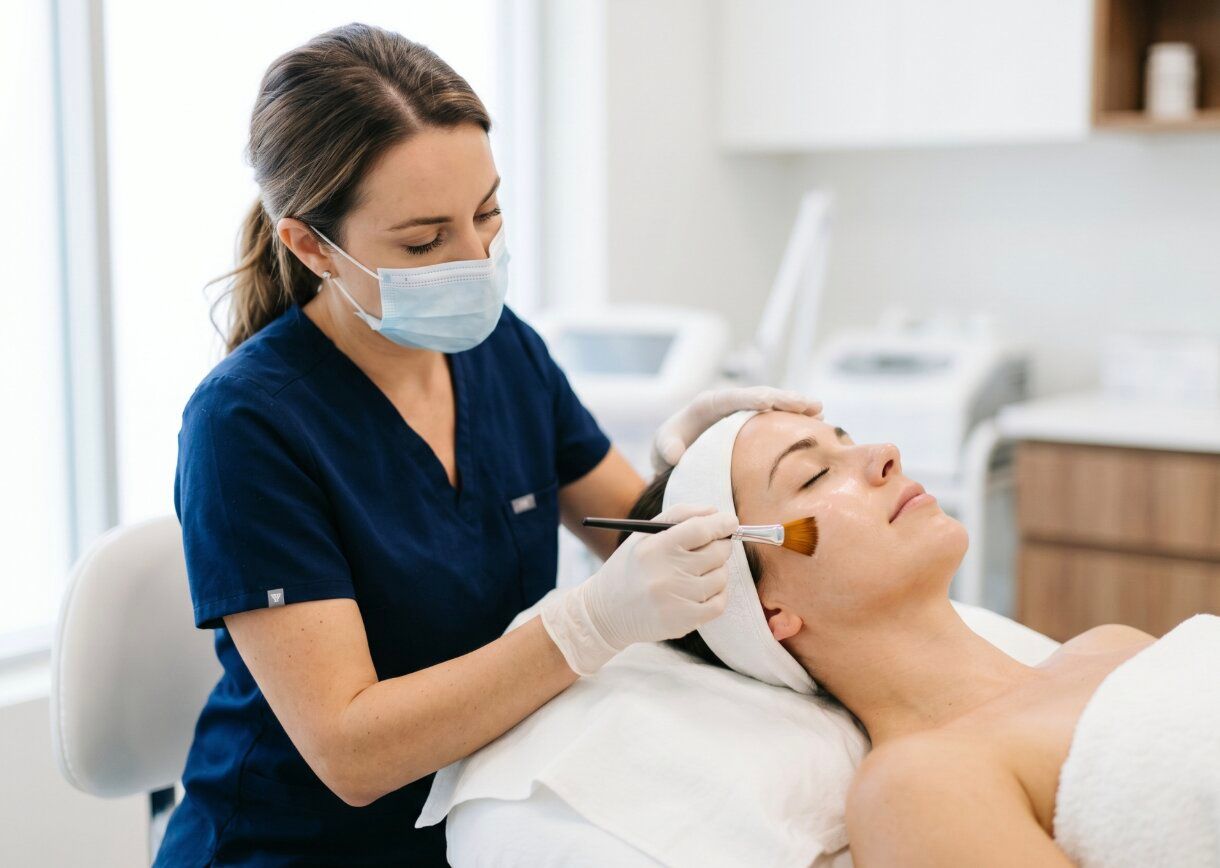
Dull skin, stubborn acne scars, uneven skin tone, and fine lines that do not respond to skin care are common concerns. These issues often sit deeper in the skin layers, which is why creams and serums stop working over time.
A chemical facial peel treatment in Grants Pass, OR, targets this problem directly. It removes damaged skin using a controlled chemical solution and supports the formation of new skin.
That is why it remains one of the most sought-after treatments today. At Southern Oregon Medical Aesthetics, each peel is selected based on your specific skin condition, so you get results that actually match what your skin needs.
📋What You’ll Learn From This Article
- How a chemical peel treatment improves your skin below the surface
- The different types of chemical peels and which one fits your skin
- What concerns it can treat, like acne, scars, uneven skin tone, and fine lines
- What to expect before, during, and after the treatment
- Simple steps to prepare your skin and protect your results
What Is a Chemical Peel and How It Works
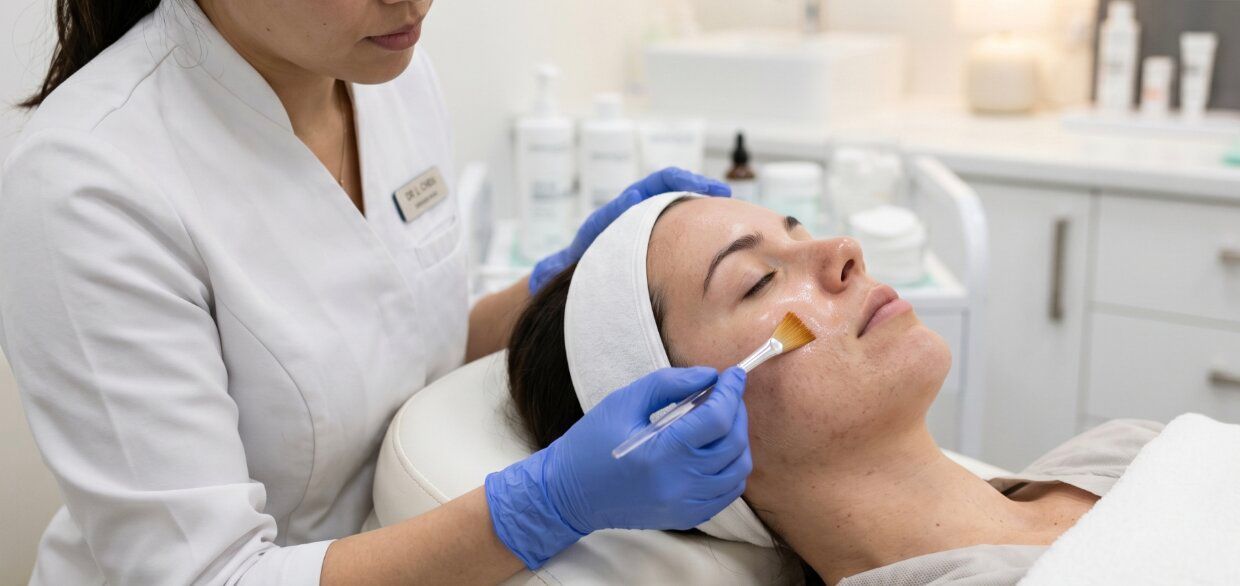
A chemical peel is a procedure in which a chemical solution is applied to the skin. This controlled process removes the outer layer and encourages new skin to form.
How a Chemical Peel Works on Your Skin
Let’s break it down simply. The chemical peel uses acids like glycolic acid, salicylic acid, or trichloroacetic acid to:
- Break down bonds between dead skin cells
- Remove damaged skin from the surface
- Stimulate collagen in deeper skin layers
- Promote smoother, clearer skin
According to the Cleveland Clinic, chemical peels are used to treat acne, wrinkles, and uneven skin tone by improving how your skin regenerates.
Types of Chemical Peels by Depth
Each type of peel targets a different layer of skin. Choosing the right one matters more than going stronger.
- Light chemical peel (superficial peels) - Works on the outer layer. Good for mild acne, dullness, and early fine lines.
- Medium chemical peel (medium-depth peels) - Reaches the middle layer of your skin. Helps with acne scars, uneven skin tone, and wrinkles.
- Deep chemical peel (deep peel or phenol peel) -Targets deeper layers of your skin. Used for advanced sun damage and deeper wrinkles.
A study from the National Institutes of Health explains that deeper chemical peels can trigger stronger collagen remodeling.
Who Should Consider a Facial Peel Treatment
Not every skin condition needs the same approach. The goal is to match the peel to your concern.
Common Skin Concerns Treated with Chemical Peels
Chemical peels are used to treat:
- Acne and acne scars
- Fine lines and wrinkles
- Uneven skin tone and sun damage
- Enlarged pores and rough texture
These issues often sit below the surface. That is why topical products struggle to fix them.
Skin Type and Safety Considerations
Your skin type plays a big role in treatment planning.
- Lighter skin tones may tolerate stronger peels
- Darker skin tone requires careful selection to avoid hyperpigmentation
This step is critical. The wrong type of peel can cause more redness or uneven skin.
When You Should Wait
Avoid treatment if you have:
- Active infections or open wounds
- Recent use of strong acne medications like isotretinoin
- Highly irritated or compromised skin
A proper consultation helps determine the best and safest plan.
7 Tips to Get Better Results from Your Chemical Facial Peel
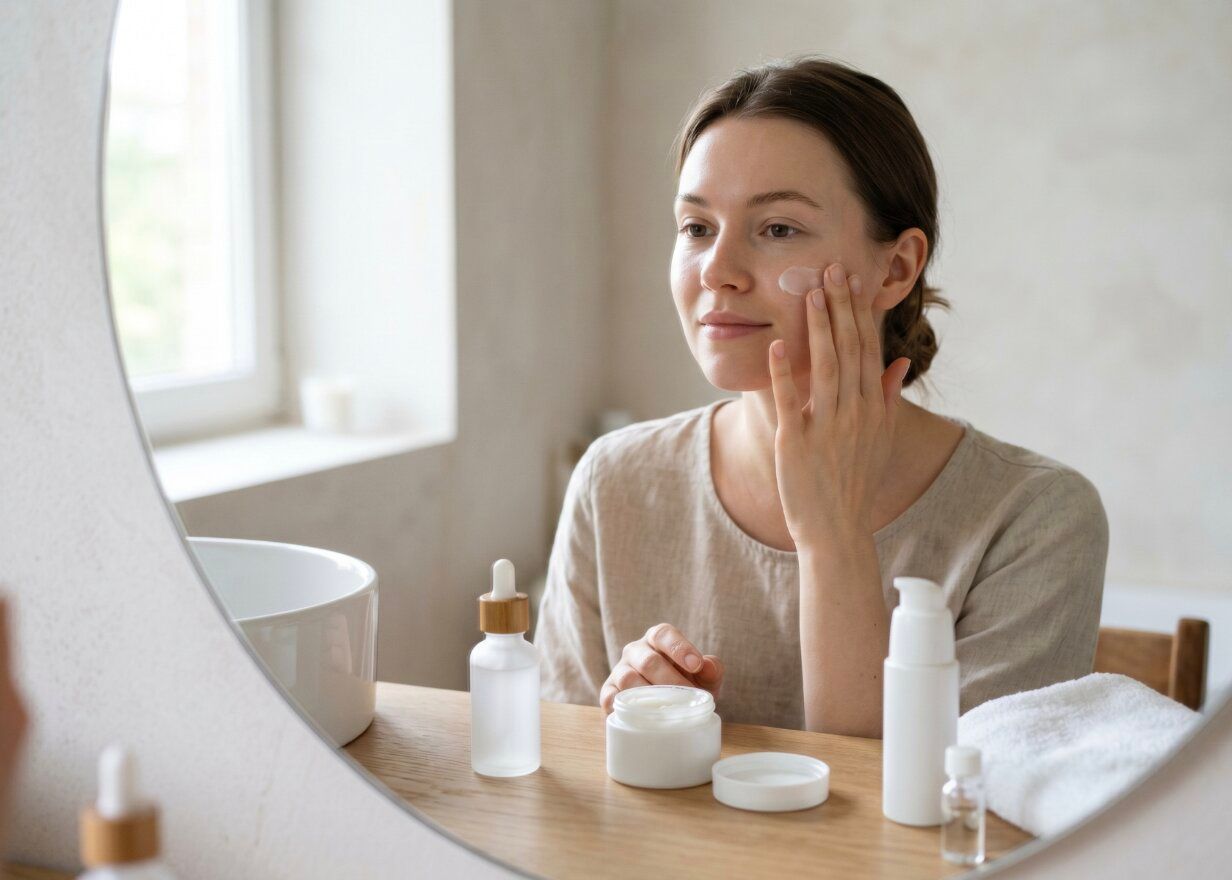
Results depend on what you do before and after your peel. These steps make a real difference.
1. Start with a Proper Skin Assessment
You need to determine the best type of peel for your skin condition before anything else. Guessing often leads to irritation, uneven results, or wasted time.
A proper assessment looks at:
- Your skin type and sensitivity level
- Current concerns like acne, scars, or uneven skin tone
- Past treatments and how your skin reacted
Your provider will also evaluate how deep the peel should go. The depth of the peel matters more than strength. A light chemical peel done correctly can outperform a poorly chosen deep peel.
Bottom line: The right plan saves your skin from setbacks and gets you results faster.
2. Prepare Your Skin Weeks Before Treatment
Preparation sets the stage for how well your peel treatment works. You cannot rush this part.
In the weeks before treatment:
- Apply broad-spectrum SPF daily to protect from sun exposure
- Avoid over-exfoliating or using harsh scrubs
- Use gentle skin care products to keep your barrier healthy
In some cases, your provider may recommend:
- Retinoids to improve cell turnover
- Light exfoliating acids like glycolic acid
Healthy skin responds better. If your skin is irritated before the peel, it will react more during the procedure.
3. Match the Peel to Your Skin Concern
Not all chemical peels are created equal. Each type of peel targets a specific issue.
Here is a simple breakdown:
- Acne and oily skin: Salicylic acid peels help unclog pores and reduce breakouts
- Pigmentation and sun damage: TCA peel or medium chemical peel helps even out skin tone
- Fine lines and wrinkles: medium-depth peels support collagen and smooth texture
Choosing the wrong peel can lead to minimal improvement or even worsen your skin condition.
Focus on precision, not intensity. The goal is to treat the problem at the correct layer of the skin.
4. Follow Aftercare Strictly
Aftercare is where many people slip up. This is also where you protect your results.
After your chemical peel:
- Do not pick or peel flaking skin
- Avoid active ingredients like retinol and strong acids
- Keep skin hydrated with gentle moisturizers
You may notice redness, dryness, and peeling. That is normal. Your skin is shedding damaged layers and forming a new layer of skin.
Important: Picking at treated skin can lead to scars, infection, or uneven tone. Let the process happen naturally.
5. Plan for Multiple Sessions
One peel helps. A series changes your skin.
Most skin concerns develop over time. It makes sense that they need more than one session to improve. Chemical peels are often done in a series every few weeks.
With repeated treatments:
- Skin cells renew more consistently
- Collagen production improves gradually
- Results become more even and long-lasting
Think of it as building momentum. Each session improves the foundation for the next.
6. Protect Treated Skin from the Sun
Sun exposure is the fastest way to undo your results. After a peel, your skin is more sensitive to UV damage.
You should:
- Apply SPF 30 or higher every day
- Reapply sunscreen if you are outdoors
- Wear hats or seek shade when possible
UV exposure can trigger:
- Hyperpigmentation
- Redness
- Slower healing
This step is non-negotiable. Protecting your skin keeps your results intact and prevents new damage.
7. Combine with Other Treatments
You can improve results by combining your peel with other treatments. This approach targets multiple layers of the skin.
Popular combinations include:
- Microneedling for collagen stimulation
- Medical-grade skincare to maintain results at home
- Hydration treatments to support recovery and glow
Your provider will create a treatment plan that fits your goals. Not everything should be done at once. Timing matters.
Smart combinations lead to better, more noticeable improvements without over-stressing your skin.
What Happens During a Chemical Peel Treatment
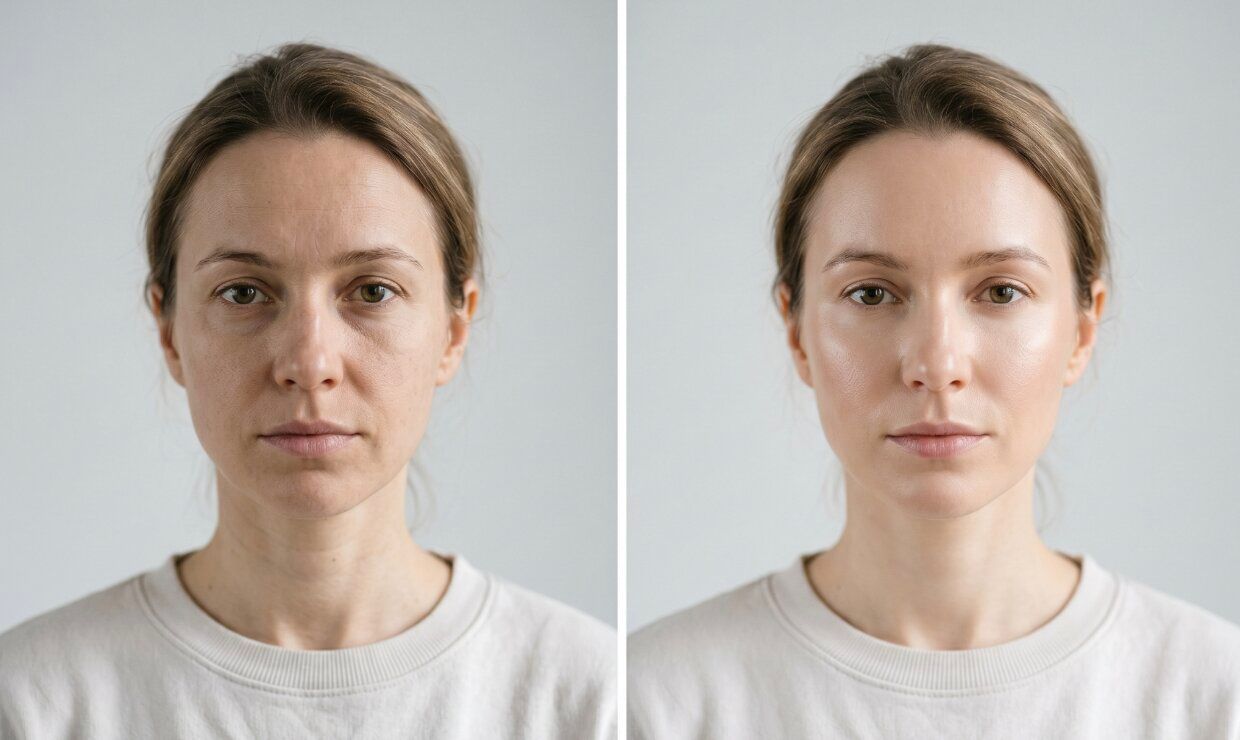
Knowing what to expect helps you feel more prepared.
Before the Procedure
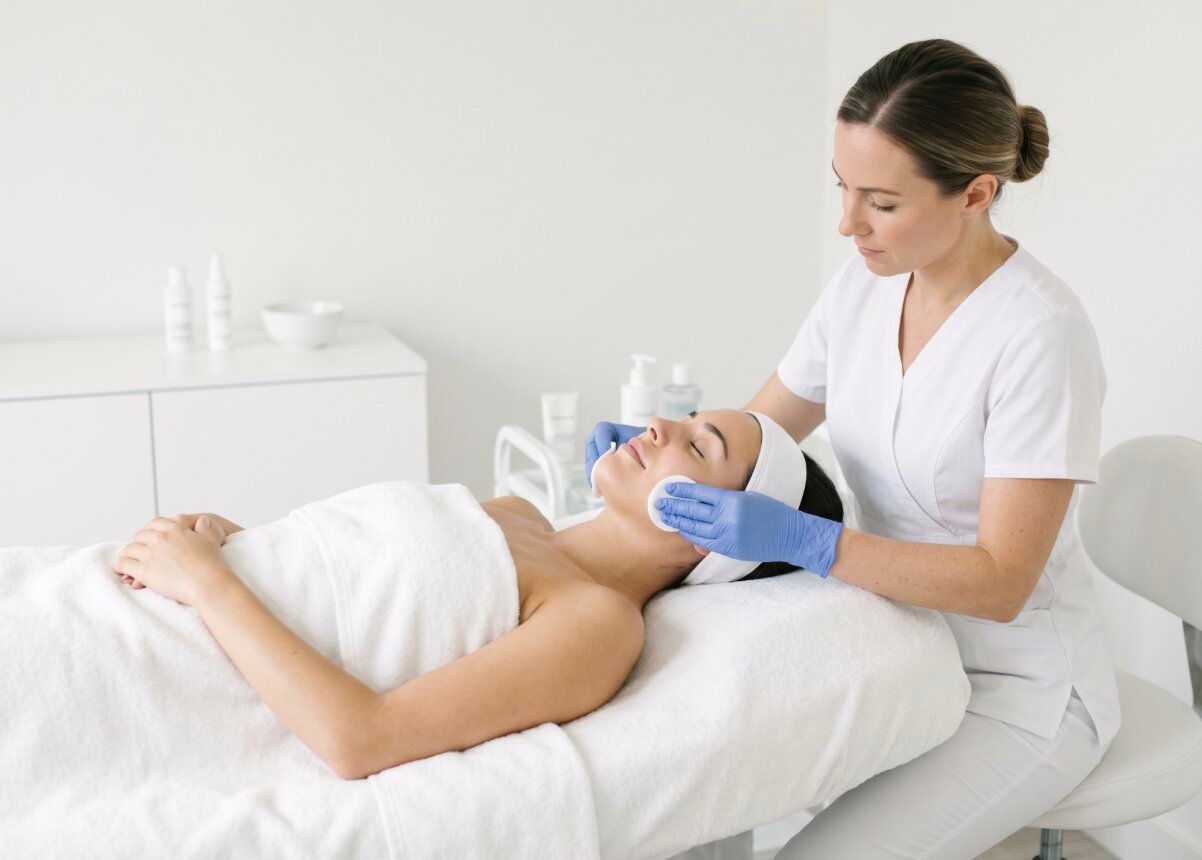
Your skin will be thoroughly cleansed. Oils are removed so the chemical solution is applied evenly across the treatment area.
During the Application
The provider applies the chemical solution to your skin. You may feel:
- Tingling
- Warmth
- Mild stinging
This is normal and usually short.
After the Facial (Chemical) Peel Treatment
Here is a typical timeline:
| Day | What You May Notice |
|---|---|
| Day 1–2 | Redness, tight feeling |
| Day 3–5 | Peeling and flaking |
| Day 6+ | Smoother, brighter skin |
According to WebMD, this recovery pattern is common for light to medium-depth peels.
Risks and Safety You Should Know
Every medical treatment has risks. Knowing them helps you make better decisions.
Common Side Effects
- Redness
- Dryness
- Mild irritation
These usually resolve within days.
Less Common Risks
- Hyperpigmentation, especially in darker skin
- Infection if aftercare is ignored
Important: Most complications happen when aftercare instructions are not followed.
Why Professional Chemical Peels Are Safer
Professional chemical peels are considered safer because:
- The depth of the peel is controlled
- The skin is monitored during treatment
- The provider adjusts based on your skin response
At-home peels do not offer this level of control.
Types of Chemical Peels Available at SOMA
Each peel treatment at Southern Oregon Medical Aesthetics targets specific skin concerns. No one-size approach here.
Sensi Peel for Sensitive Skin
If your skin reacts easily, this is often the starting point.
- Improves redness and uneven skin
- Contains lactic acid and mild TCA
- Ideal for rosacea-prone skin
Expect a gentle peel with minimal downtime.
Ultra Peel I for Aging and Acne
This peel works deeper.
- Targets fine lines and wrinkles
- Helps with acne and texture
- Uses higher-strength lactic acid and TCA
Good option if your skin needs more correction.
PCA Peel Options for Targeted Results
These peels focus on specific concerns:
- Hydroquinone-free peel
Best for sensitive skin and breakouts - With hydroquinone
Helps reduce pigmentation and melasma - With hydroquinone and resorcinol
Designed for deeper acne scars and sun damage
Each formula changes how the skin responds. That is why selection matters.
Frequently Asked Questions
1. How often should I get a chemical peel?
Most patients schedule treatments every 4 to 6 weeks. Your provider will adjust based on your skin condition.
2. Are chemical (facial) peels painful?
You may feel tingling or warmth during the peel. Most patients tolerate it well.
3. How long does peeling last?
Peeling usually lasts 3 to 5 days for a light peel. Medium or deep chemical peel treatments may take longer.
4. Can I wear makeup after a facial peel?
Wait at least 24 to 48 hours. Your skin needs time to recover.
5. Are chemical peels safe for darker skin tones?
Yes, but only with the right type of peel. Professional evaluation helps prevent hyperpigmentation.
A Smarter Way to Rejuvenate Your Skin
Skin changes over time, and the results of basic skin care can plateau. That does not mean improvement is out of reach. It usually means the deeper layers of the skin need more targeted treatment.
A chemical peel promotes genuine skin renewal by removing damaged skin cells and encouraging new skin to form. With the right treatment plan and proper care, results build over time, smoother texture, clearer tone, and healthier-looking skin that lasts. If you are ready to take the next step, schedule a consultation with Southern Oregon Medical Aesthetics and get a plan tailored to your skin.

Joyce Solar
RN - Cofounder/Master Injector
Joyce Solar, RN, is the cofounder and Master Injector at Southern Oregon Medical Aesthetics Center with over 20 years of experience in medical aesthetics. She is an Ultherapy specialist and national clinical educator known for her expertise in facial aesthetic injectables.