Botox vs Dysport in Grants Pass, OR: Which Is Best For You?

Joyce Solar
RN - Cofounder/Master Injector
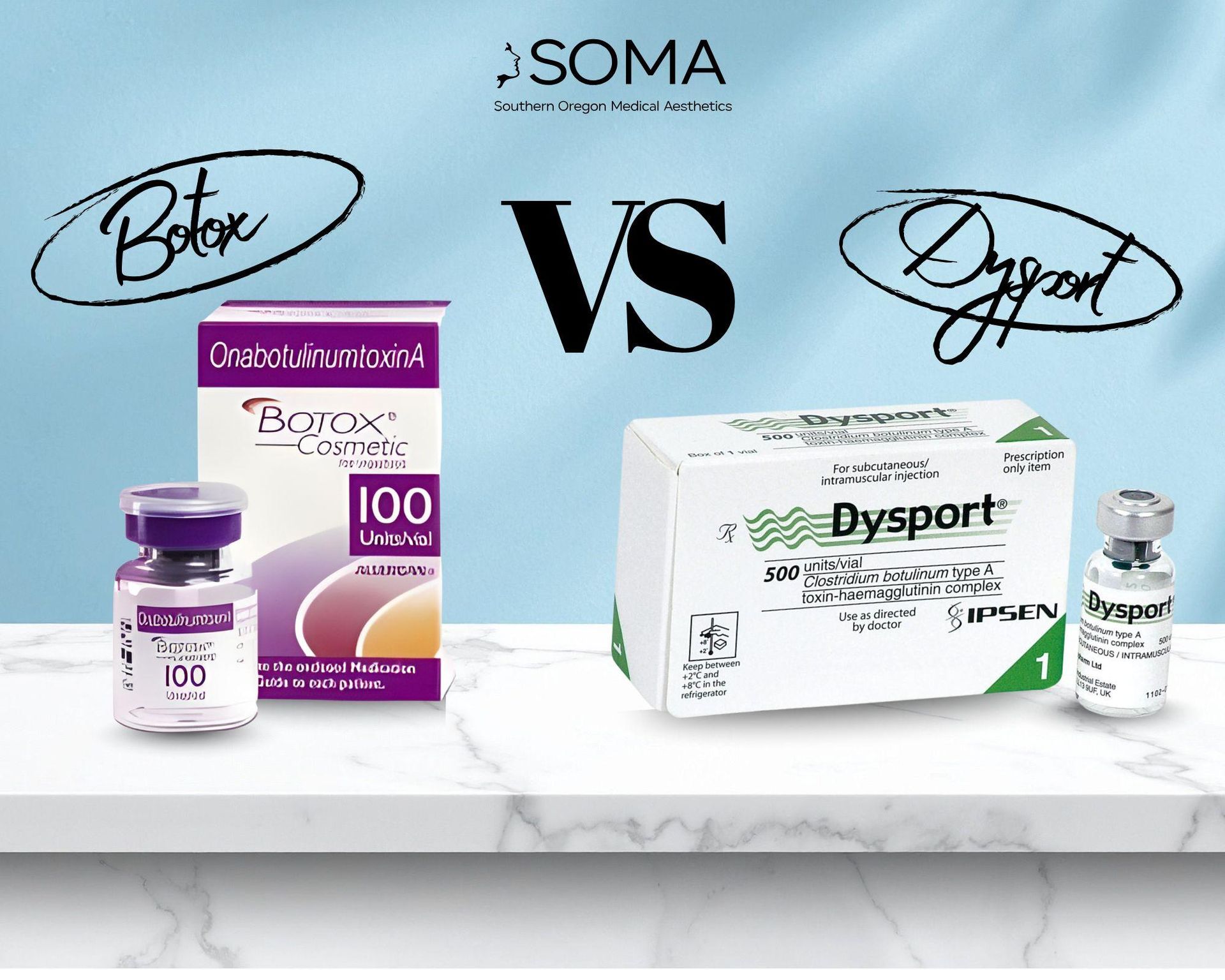
Ask almost any client what injectable treatment they have heard of, and Botox usually comes up first. Dysport follows close behind. Both are trusted options for smoothing wrinkles and fine lines, and both are commonly requested here in Grants Pass. People like that these treatments work without surgery, downtime, or drastic changes. A few small injections can soften forehead lines, relax frown lines, and refresh the face in a subtle way.
More patients in Josephine County want treatments that fit their face, not a one size fits all approach. They want results that look natural and still let them express themselves. That is why conversations around Botox vs Dysport have become more common. Patients want to understand the difference between Botox and Dysport so they can make an informed decision.
This question comes up daily in the treatment room. Botox or Dysport is not a competition. Each product works slightly differently, and the treatment that is best depends on facial muscles, goals, and even lifestyle. One is not automatically better than the other.
Understanding Neuromodulators: How Botox and Dysport Actually Work
Before comparing Dysport vs Botox, it helps to understand how these injectable treatments work in general.
What are Neuromodulators?
Botox and Dysport are both neuromodulators made from botulinum toxin. When injected into specific facial muscles, they temporarily block nerve signals that cause muscle contraction. Less movement means the skin above those muscles can relax, which helps reduce the appearance of wrinkles.
The Science of Muscle Contraction and Wrinkle Formation
Facial wrinkles form from repeated movement. Smiling, frowning, squinting, and raising the brows all involve facial muscles pulling on the skin. Over time, those movements create fine lines and wrinkles. Neuromodulators slow that process by calming the muscles responsible for those expressions.
Common Cosmetic Concerns Treated with Neuromodulators
Botox and Dysport treatments are commonly used for:
- Forehead lines caused by lifting the brows
- Frown lines, also called glabellar lines, between the eyebrows
- Crow’s feet around the eyes
Each treatment area requires careful dosing and placement.
Why Injector Technique Matters
Botox works well. Dysport works well. Technique is what makes the difference between natural results and an overdone look. Placement, depth, dose, and understanding facial anatomy all matter. The product alone does not create good results.
What Is Botox? Uses, Benefits, and Ideal Candidates
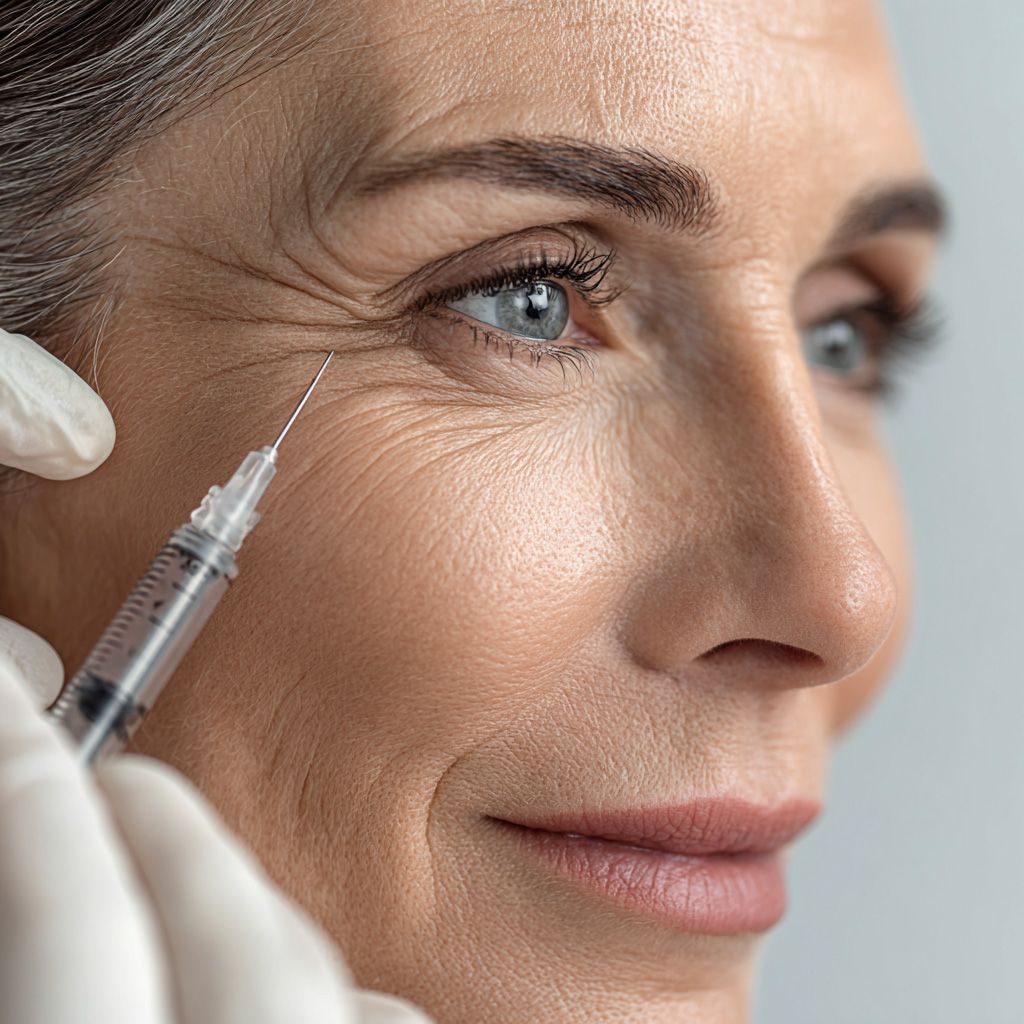
Botox Cosmetic, also known as onabotulinumtoxinA, was the first neuromodulator approved for cosmetic use. Botox was approved by the FDA to treat moderate to severe facial wrinkles, including forehead lines, frown lines, and crow’s feet.
How Botox Behaves in the Muscle
Botox tends to stay more localized once injected. This makes it a good option for precise correction. Many injectors like Botox when working in smaller treatment areas that need controlled muscle relaxation.
Typical Onset and Longevity of Botox Results
Botox injections usually start working within 3 to 5 days. Full effect is often seen around two weeks. Botox results last about 3 to 4 months for most patients, although this can vary based on metabolism and dosage.
Ideal Candidates for Botox Treatments
Botox may be ideal for:
- First-time neurotoxin patients
- Patients who want a very targeted correction
- Those focused on specific facial wrinkles
Common Treatment Areas
At SOMA, Botox treatment is commonly used for the forehead, between the brows, crow’s feet, and other areas where precision matters.
What Is Dysport? Uses, Benefits, and Ideal Candidates
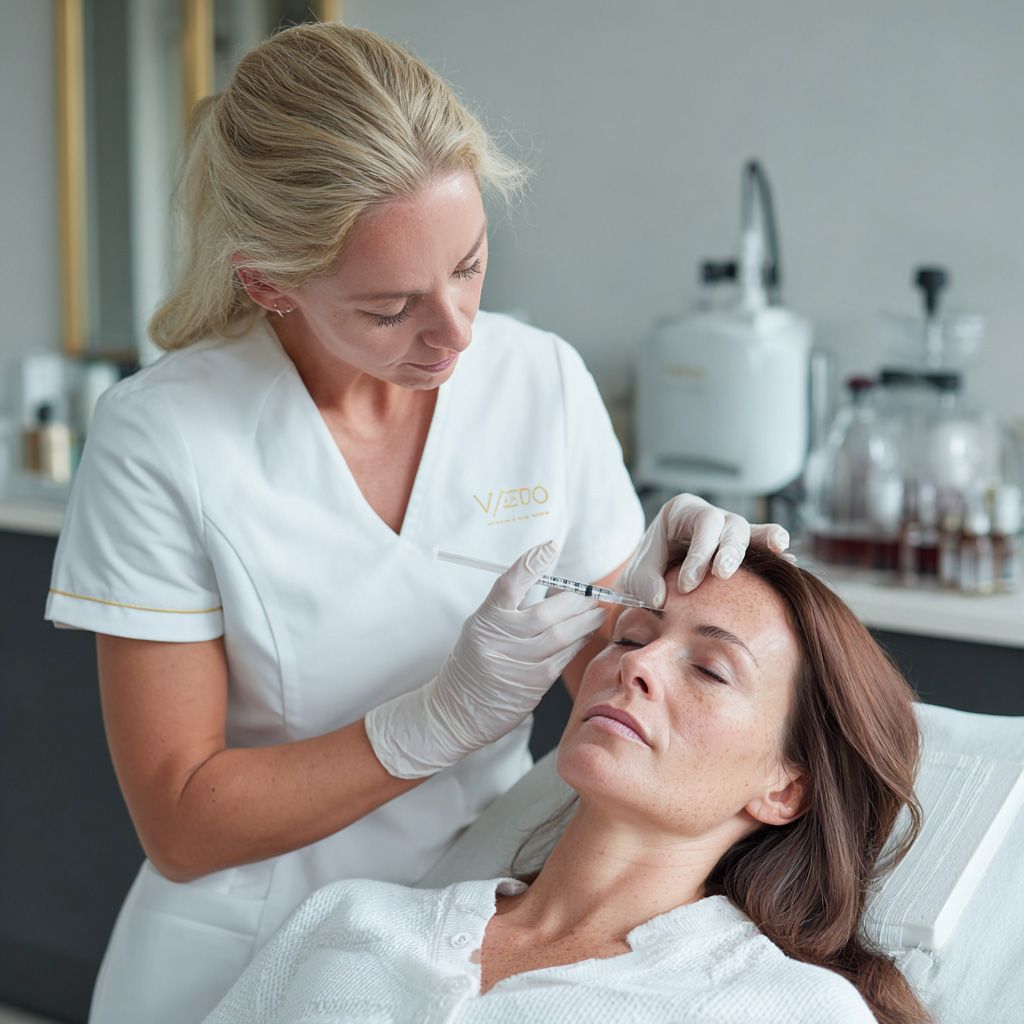
Dysport, also called abobotulinumtoxinA, is another FDA-approved injectable treatment used to reduce wrinkles and fine lines. Dysport is an injectable that works similarly to Botox but behaves differently once injected.
How Dysport Spreads Differently Than Botox
Dysport tends to diffuse more once injected. Dysport spreads slightly farther in the muscle compared to Botox. This can be helpful when treating larger treatment areas or stronger facial muscles.
Typical Onset and Longevity of Dysport Results
Dysport works faster for many patients. Some notice results in as little as 2 to 3 days. Full effect still takes about two weeks. Dysport results last about the same as Botox, often around 3 to 4 months.
Ideal Candidates for Dysport Treatments
Dysport may be a good choice for:
- Patients with stronger facial muscles
- Those treating larger areas, like the forehead
- Patients seeking quicker visible results
Common Treatment Areas
Dysport treatments are often used for the forehead, frown lines, and areas where smoother blending across muscles is helpful.
Botox vs Dysport: Key Differences That Matter to Patients
Now that you understand each product on its own, it helps to look at the key differences between Botox and Dysport side by side.
Molecular Structure and Diffusion Patterns
Dysport contains smaller molecules, which is why Dysport tends to diffuse more. Botox tends to stay more focused at the injection site. This difference between Dysport and Botox affects how each is used.
Speed of Onset
Dysport works faster for many patients. Botox takes a bit longer to show changes. This does not mean one is stronger, just different.
Treatment Longevity
Botox results last about 3 to 4 months. Dysport results last about the same. Some patients report that Dysport lasts slightly longer than Botox, but this varies.
Precision vs Spread: When Each Excels
Botox tends to be better for precision. Dysport tends to be helpful for larger treatment areas. Neither is better overall.
Dosing Differences and Units
Botox units and Dysport units are not interchangeable. A unit of Botox is different from a unit of Dysport. Dysport often requires more units to achieve similar effects, which is why dosage and pricing are not directly comparable.
Botox vs Dysport at a Glance
| Feature | Botox | Dysport |
|---|---|---|
| Onset | 3 to 5 days | 2 to 3 days |
| Spread | More precise | Diffuses more |
| Units | Fewer units | More units needed |
| Best for | Targeted areas | Larger areas |
| Results last | About 3 to 4 months | About 3 to 4 months |
Results and Aesthetic Outcomes: Natural vs Expressive Looks

How your results look and feel matters just as much as how long they last, and this is where the difference between good injectables and great injectables really shows up.
Can Botox and Dysport Both Look Natural?
Yes. Both Botox and Dysport can look very natural when injected properly. The product does not freeze the face. Overdosing does.
Facial Anatomy Considerations
Everyone’s facial muscles are different. Stronger muscles may respond better to Dysport. Smaller muscles may respond better to Botox. Anatomy guides the choice.
Customizing Treatment for Subtle, Refreshed Results
A personalized treatment plan focuses on softening wrinkles, not erasing expression. The goal is to reduce the appearance of wrinkles while keeping movement where it belongs.
Avoiding a Frozen or Overdone Appearance
Frozen results usually come from too much product or poor placement. This is why experience matters. At SOMA, we use conservative dosing, careful placement, and follow-up planning to protect natural movement and expression.
Safety, Side Effects, and What to Expect After Treatment
Safety is a common concern, and knowing what to expect before and after treatment helps you feel more comfortable moving forward.
Overall Safety Profile of Botox and Dysport
Botox and Dysport have been used safely for many years. When performed by trained medical professionals, these treatments are considered very safe.
Common Temporary Side Effects
Common side effects include mild swelling, redness, tenderness, or bruising at the injection site. These usually resolve within days of treatment.
Rare Complications
Rare side effects can include drooping or asymmetry. Proper technique and knowledge of facial anatomy greatly reduce these risks.
Post-treatment Care and Activity Guidelines
Patients are usually advised to avoid rubbing the area, heavy exercise, or lying flat for several hours after treatment. Injectables are medical treatments. Training, experience, and judgment matter more than the brand name.
Choosing Between Botox and Dysport: How SOMA Personalizes Your Treatment
This decision is never one size fits all, and it starts with understanding your face, your goals, and how your body responds to treatment.
- Facial muscle strength and anatomy assessment - Your injector evaluates muscle movement, strength, and symmetry before recommending Botox or Dysport.
- Treatment goals: soft prevention vs corrective smoothing - Some patients want early prevention, while others want visible smoothing. Your goals help determine which treatment is right.
- Lifestyle, metabolism, and prior injectable history - Activity level, metabolism, and past Botox or Dysport treatments can influence how long results last.
- Why some patients switch and others stay loyal to one - Some faces respond better to one product than the other. Adjusting over time is normal and expected.
- SOMA’s consultation process and patient education model - Consultations focus on education, realistic expectations, and helping you make an informed decision.
Frequently Asked Questions
1. Is Botox better than Dysport for first-time patients?
Botox is often preferred for first-time patients because it offers more controlled, precise results. Many providers start with Botox since it tends to stay localized in the muscle, which allows for careful fine-tuning while you learn how your facial muscles respond to treatment.
2. Does Dysport really work faster than Botox?
Yes, Dysport often works faster than Botox for many patients. Some people notice Dysport results within two to three days, while Botox typically takes three to five days, with full effect for both showing around two weeks.
3. How long do Botox and Dysport results last?
Both Botox and Dysport results usually last about three to four months. Longevity depends on factors like muscle strength, dosage, metabolism, and how consistently you receive treatments.
4. Can I switch between Botox and Dysport?
Yes, you can switch between Botox and Dysport safely. Many patients try both over time to see which works better for their facial muscles, treatment areas, and personal preferences.
5. Are Botox and Dysport safe long-term?
Yes, Botox and Dysport are considered safe for long-term use when administered by trained medical professionals. Both products have been used for decades, and ongoing studies continue to support their safety with repeated treatments.
Botox vs Dysport - The Best Choice Is a Personalized One
Botox vs Dysport comes down to key differences in spread, onset, and dosing, but both are effective at reducing wrinkles and fine lines. The injector’s experience matters more than the brand itself, and the best results always come from a personalized treatment plan.
If you are ready to decide which option is right for you, schedule a consultation at Southern Oregon Medical Aesthetics to get clear guidance and confident recommendations.

Joyce Solar
RN - Cofounder/Master Injector
Joyce Solar, RN, is the cofounder and Master Injector at Southern Oregon Medical Aesthetics Center with over 20 years of experience in medical aesthetics. She is an Ultherapy specialist and national clinical educator known for her expertise in facial aesthetic injectables.